

Surveillance State vs. Digital Sovereignty: Who Really Owns Your Digital Self?
Imagine walking down a busy city street. In the physical world, if someone followed you from store to store, took notes on every item you picked up, listened in on your private conversations, and mapped out your daily routine, you’d call the police.
Yet, in our digital lives, this happens every single second.
Every click, scroll, location ping, and late-night search query generates a breadcrumb trail. But who actually controls that data? This question sits right at the heart of one of the biggest clashes of our time: The Surveillance State vs. Digital Sovereignty.
Let’s break down what these fancy terms actually mean, why this dynamic matters to you, and how the rules of the internet are being rewritten right now.
---
What is a Surveillance State, Anyway?
When people hear "Surveillance State," they often picture sci-fi movies or dark futuristic worlds. But modern surveillance isn't always creepy or hidden—sometimes it comes disguised as convenience.
A surveillance state occurs when a government (often partnered with giant tech monopolies) uses technology to monitor, collect, and analyze massive amounts of data about its citizens.
How It Works in Practice
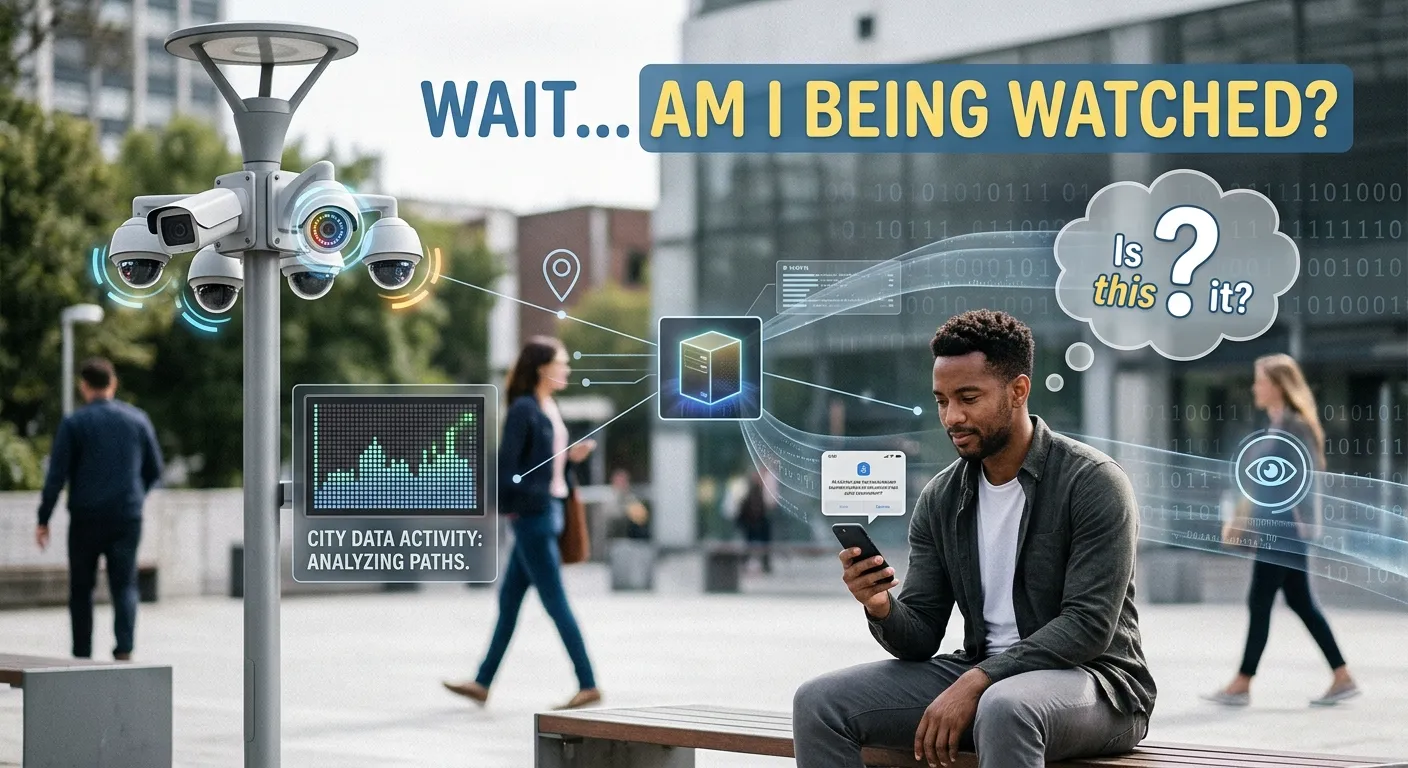
- Facial Recognition & Smart Cameras: Scanning public spaces in real time to track movement.
- Predictive Algorithms: Sorting through online behavior to flag "suspicious" activity or political dissent.
- Data Interception: Requiring telecom companies and social media platforms to hand over user logs, private messages, and location history.
While world leaders often justify these measures under the banner of national security and crime prevention, the line between "keeping citizens safe" and "controlling the population" gets blurry very quickly. When a state knows everything about you, the freedom to speak, think, and organize without fear starts to fade.
---
Enter Digital Sovereignty: The Resistance
If the Surveillance State is about "control", Digital Sovereignty is about "autonomy and self-determination."
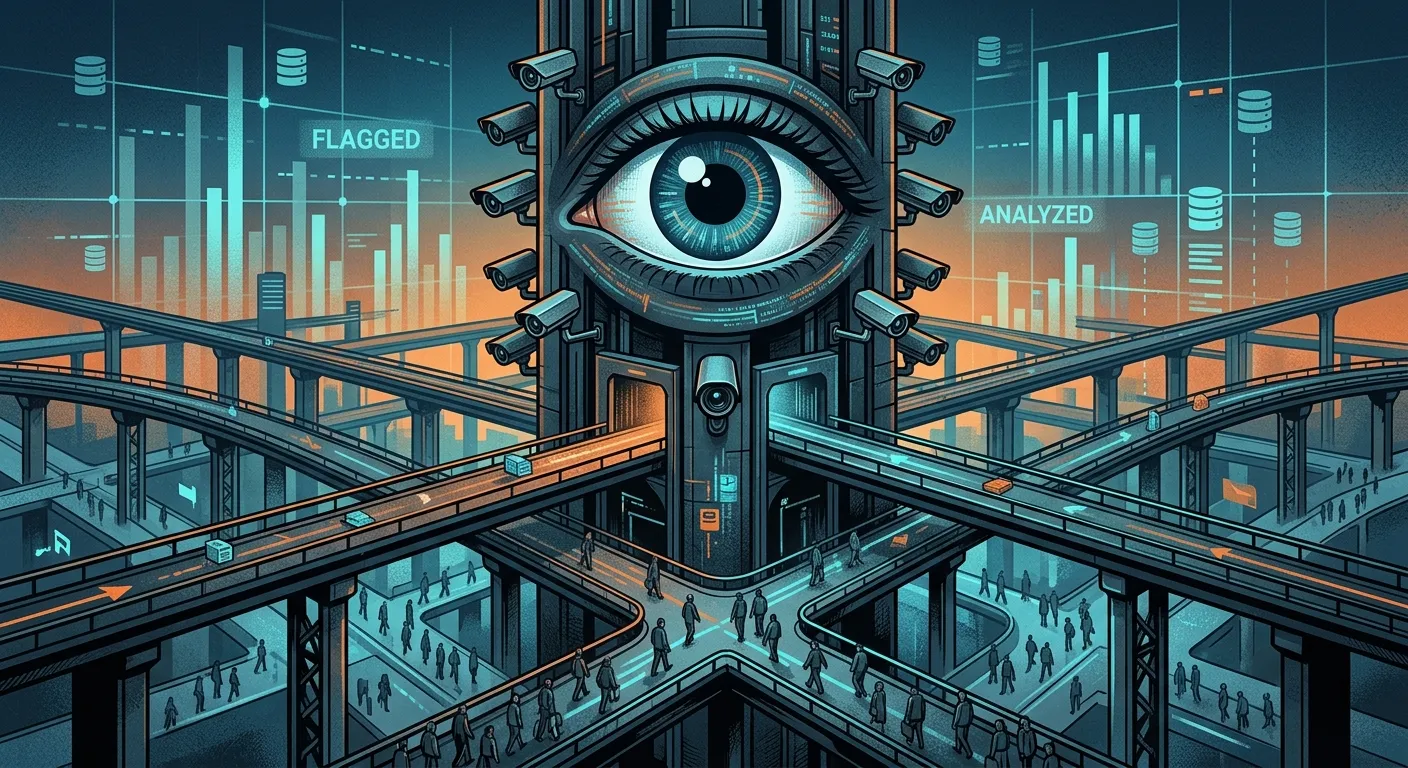
Digital sovereignty operates on two main levels:
1. National Digital Sovereignty
This is when a country decides it doesn't want foreign tech platforms or external governments controlling its digital destiny. Nations build their own cloud infrastructure, mandate that citizens' data must stay within physical borders (data localization), and pass strict cybersecurity laws to protect their national systems from foreign cyberattacks.
2. Individual Digital Sovereignty
This is where you come in. Individual digital sovereignty is the principle that *you* own your personal data, identity, and digital footprint. It’s the idea that your private thoughts, photos, and financial habits belong to you—not to a state database or a tech company’s advertising algorithm.
SURVEILLANCE STATE VS. DIGITAL SOVEREIGNTY
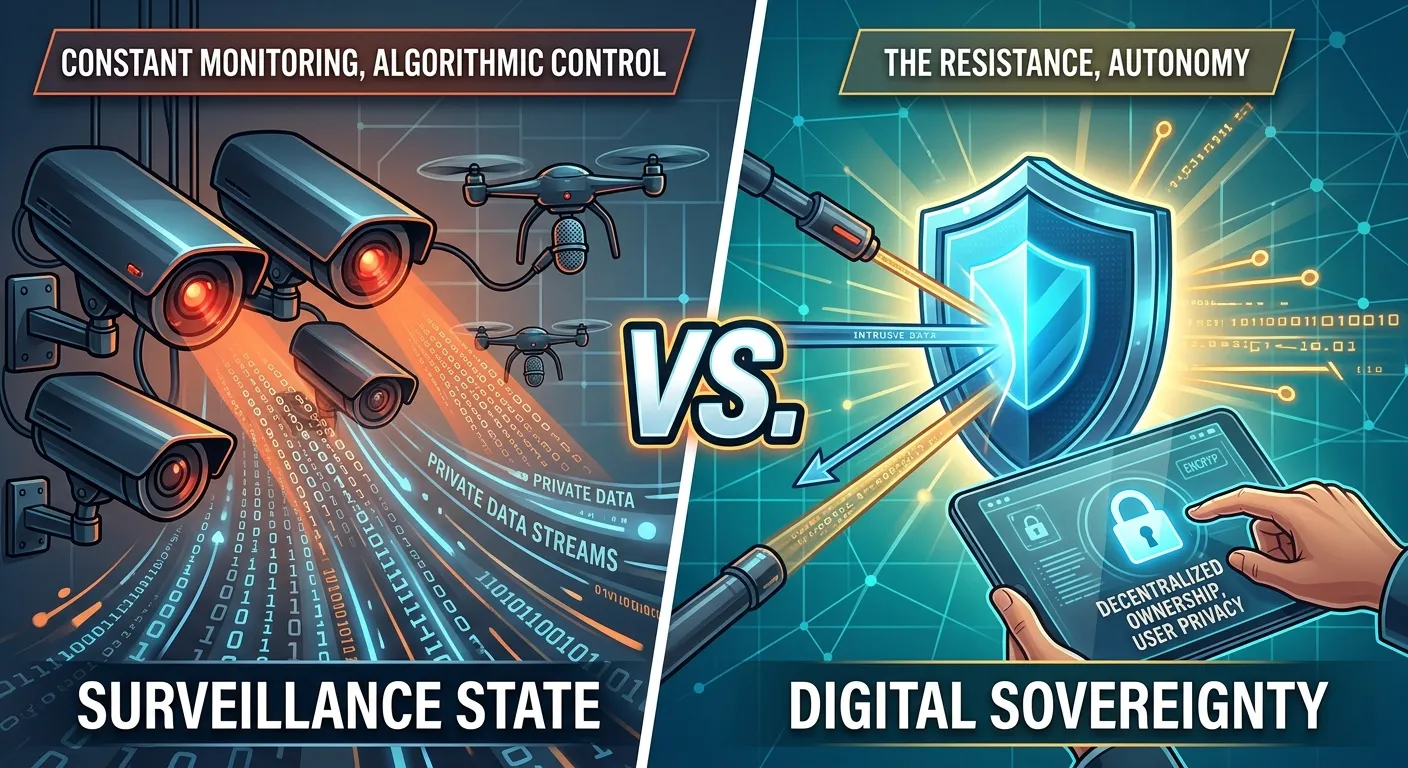
• Centralized Data Control │ • Decentralized Ownership
• Constant Monitoring │ vs │ • User Privacy & Protection
• Security Over Liberty │ • Autonomy & Self-Rule
---
The Big Clash: Why These Two Worlds Collide
The tension between state control and digital autonomy isn't just an abstract debate; it shapes the software, apps, and hardware we use every day.
The Privacy vs. Security Trap
Governments often argue that absolute privacy makes it easier for criminals and bad actors to hide. They push for "backdoors" in encrypted apps like Signal or WhatsApp. On the flip side, privacy advocates point out a simple truth: **a backdoor for the good guys is eventually a backdoor for the bad guys.** Once encryption is weakened, everyone’s data becomes vulnerable.
The "Sovereignty Paradox"
Here’s where things get tricky. Sometimes, when governments claim they are passing laws to protect "digital sovereignty," they actually end up creating stronger state surveillance mechanisms!
For example, a law that forces foreign tech companies to store data on local servers might sound like a victory for national independence. But if local laws allow the police to access those servers without a warrant, that "sovereignty" just turned into a massive surveillance tool. True sovereignty must protect the citizen from the state, not just protect the state from external rivals.
---
How the World is Handling the Tug-of-War
Different regions around the globe are taking wildly different approaches to this battle:
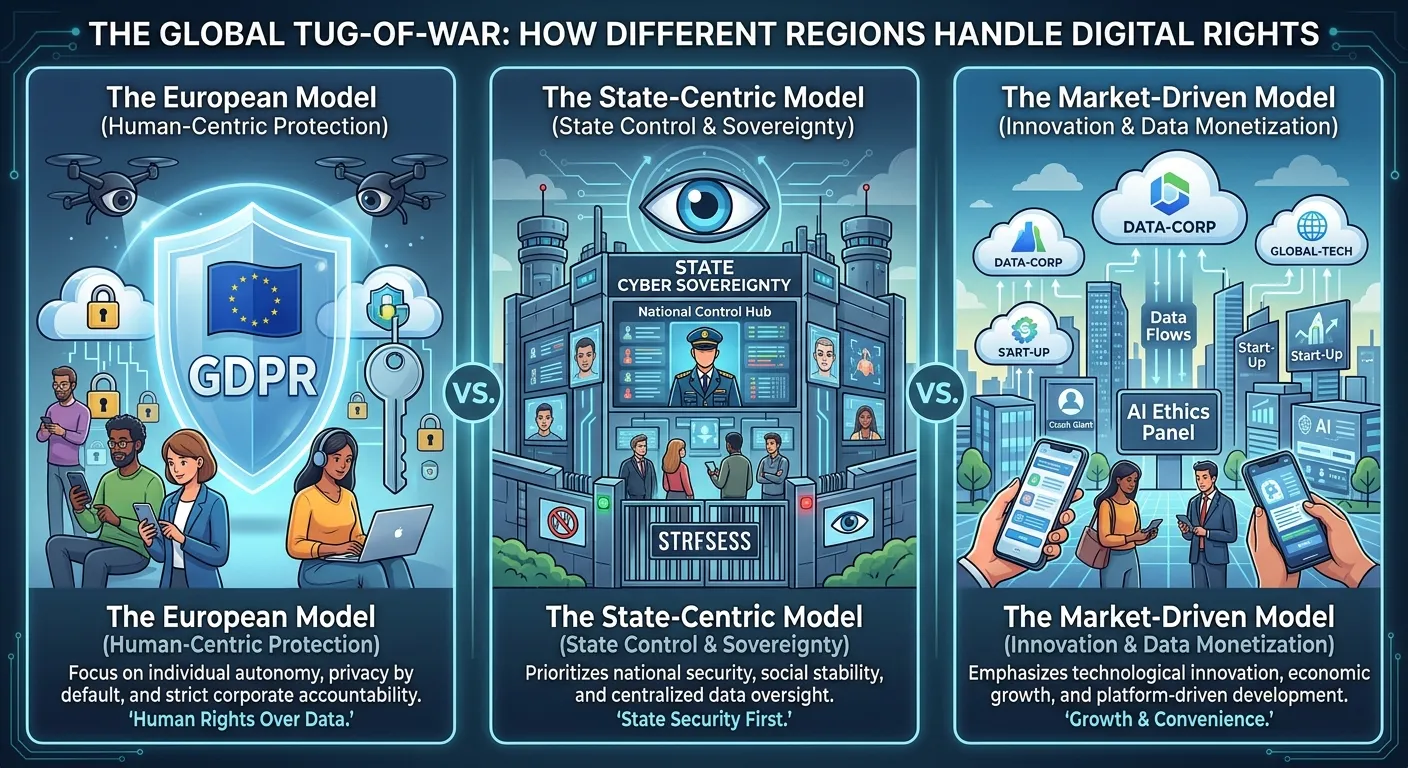
- The European Model (Human-Centric Protection): The EU relies heavily on legislation like the General Data Protection Regulation (GDPR), the AI Act, and major digital sovereignty packages to shield citizens from both corporate hyper-tracking and unchecked government overreach.
- The State-Centric Model: Countries like China and Russia enforce strict "cyber sovereignty," where the government exercises total oversight over data flows, national firewalls, and online content under the umbrella of national security.
- The Market-Driven Model: In regions like the US, giant tech platforms historically held most of the power over user data, though increasing debates around AI ethics and consumer privacy are shifting the focus toward stronger federal regulations.
Taking Back Your Digital Footprint
You don't have to sit back and accept total surveillance as the price of using the internet. Reclaiming a slice of your own digital sovereignty starts with small, intentional daily habits:
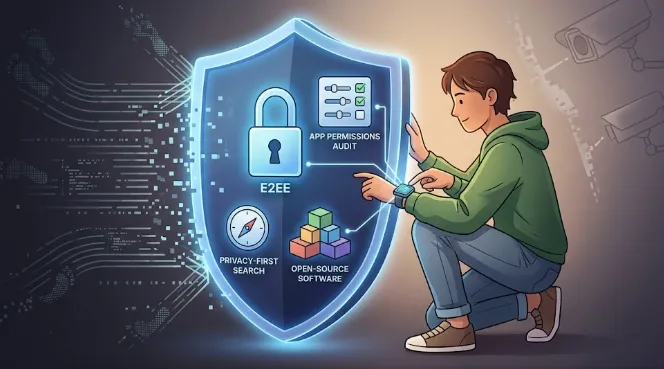
- Embrace End-to-End Encryption: Use messaging tools that lock your conversations so that not even the app company can read them.
- Audit Your App Permissions: Ask yourself—does a flashlight app really need access to your location and contact list?
- Explore Privacy-Focused Tech: Shift toward open-source software, secure cloud alternatives, and privacy-first search engines.
- Demand Better Policy: Support laws and organizations that fight for digital human rights, transparent algorithms, and strong encryption protections.
---
The Bottom Line
Technology itself isn't inherently good or bad; it’s a tool. A digital ecosystem that respects privacy empowers communities, drives innovation, and protects human dignity. But an ecosystem dominated by unrestricted tracking strips away our independence.
As technology advances, demanding digital sovereignty isn't just about protecting passwords—it's about deciding who controls the future of freedom itself.
Discussion