The Hidden Power of Small Savings: Building Financial Freedom One Day at a Time
Many people believe that financial freedom requires a high-paying job or a large amount of money. However, building a healthier financial future often…


The Hidden Power of Small Savings: Building Financial Freedom One Day at a Time
Many people believe that financial freedom requires a high-paying job or a large amount of money. However, building a healthier financial future often begins with something much smaller: managing everyday spending. A simple budgeting habit can gradually transform how people save, spend, and prepare for unexpected expenses.

1. Understand Where Your Money Goes
The first step toward better financial management is understanding your spending habits. Small purchases, subscription fees, transportation costs, and frequent takeout meals may seem insignificant individually, but together they can consume a considerable portion of monthly income.

At NikahNoor.com, discover a platform dedicated to helping Muslims find a compatible life partner and build a future rooted in love, respect, and shared values.
Learn moreTracking daily expenses helps identify unnecessary spending and reveals opportunities to save. A notebook, spreadsheet, or budgeting application can make this process easier.
2. Give Every Amount a Purpose
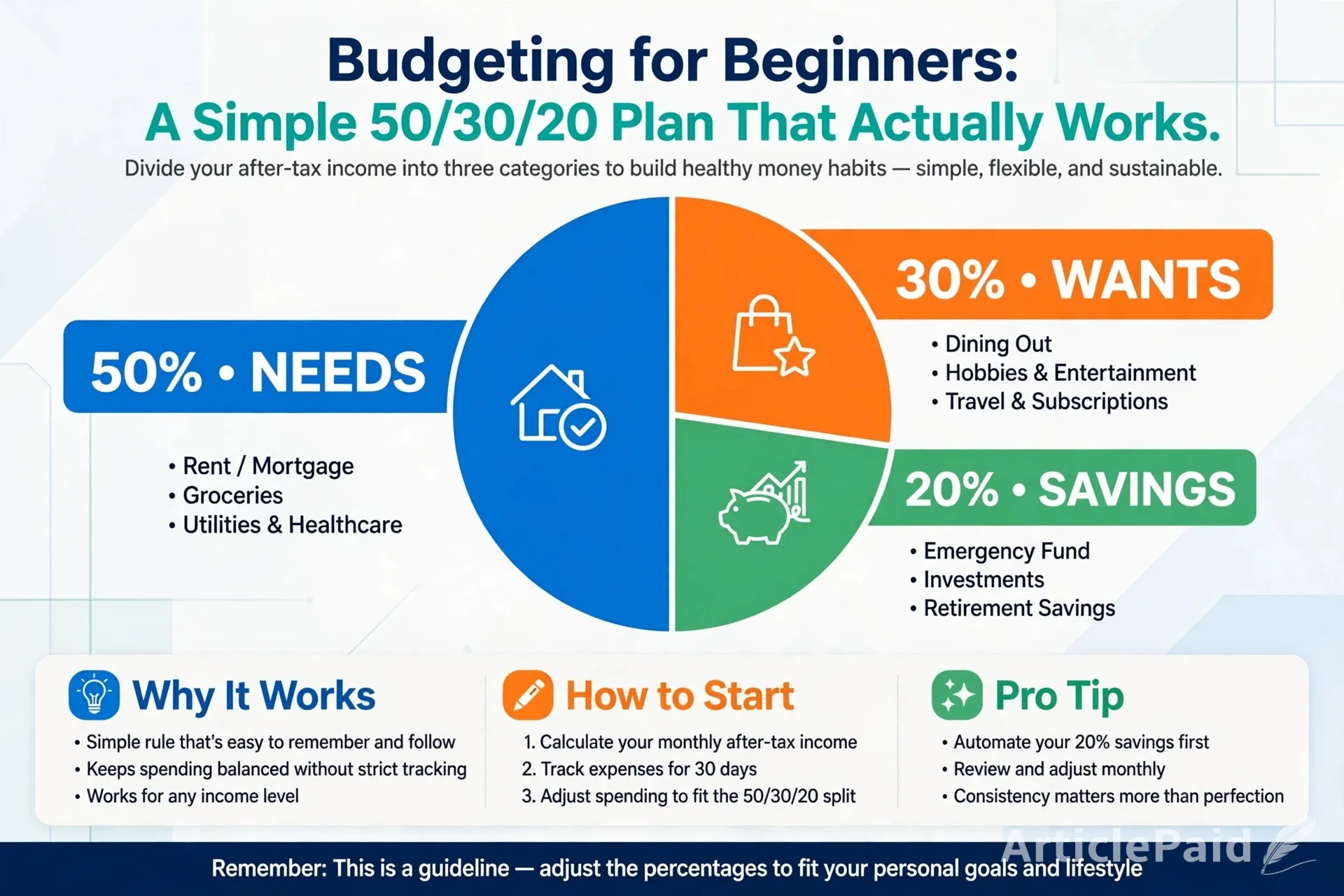
A practical budget should account for essential expenses, savings, debt payments, and personal spending. One popular approach is the 50/30/20 budgeting rule: allocate approximately 50% of income to needs, 30% to wants, and 20% to savings and debt repayment.
However, these percentages are flexible. People with different incomes and responsibilities can adjust them according to their circumstances.
The important thing is to create a realistic plan and follow it consistently.

3. Make Small Savings a Daily Habit
Saving does not always require setting aside large amounts. Even a modest contribution made regularly can build an emergency fund over time.

Looking for a Muslim marriage partner? Discover NikahNoor, a Muslim matrimonial platform dedicated to meaningful connections, halal matchmaking and finding a compatible life partner.
Find Your Life PartnerConsider transferring a small amount into a separate savings account whenever income arrives. Automating this habit can reduce the temptation to spend money intended for future needs.
Financial freedom is not achieved overnight. It develops through consistent decisions, thoughtful spending, and realistic financial goals.
Ultimately, budgeting is not about restricting every purchase. It is about taking control of your money so that your income supports the life you want to build.











Responses (0)