
Lettuce Leaves: Nature's Green Gift for Tasty Recipes to Make Up for Vitamin A, B, and K Deficits When most people think of lettuce,
They imagine a bland salad base or sandwich filler. But lettuce leaves are far more powerful than they appear.
Lettuce is a versatile leafy green that is packed with essential vitamins and minerals, particularly vitamins A, B-complex, and K, and can help you fill nutritional gaps in your diet.
Whether you’re struggling with vitamin deficiencies, aiming to improve skin health, or simply trying to adopt a healthier lifestyle, lettuce is an inexpensive and refreshing choice.
Even better, you can enjoy it in multiple tasty recipes beyond the ordinary salad bowl.
In this article, let’s dive into the health benefits of lettuce leaves, focusing on how they help overcome vitamin deficiencies, and explore delicious recipes that make eating lettuce both nutritious and exciting.
Nutritional Profile of Lettuce Leaves
Lettuce belongs to the daisy family (Asteraceae) and comes in different varieties such as iceberg, romaine, butterhead, and leaf lettuce.
While iceberg is the crunchiest, romaine and leaf lettuces are richer in nutrients. On average, 100 grams of fresh lettuce contains:
Calories: 15 kcal
Vitamin A: 7405 IU (148% Daily Value)
Vitamin K: 126% Daily Value
38 milligrams of folate vitamin B9 (the 10% Daily Value) Small amounts of vitamins B1 (thiamine), B2 (riboflavin), and B6
Minerals: calcium, iron, magnesium, and potassium
Fiber: 1.3 grams
Low in calories and high in vitamins, lettuce is an ideal choice for health-conscious individuals.
How Lettuce Leaves Help Fill Vitamin Gaps
1. Vitamin A for Eyes, Skin, and Immunity.
Vitamin A is critical for healthy vision, immune defense, and radiant skin.
Deficiency may lead to dry eyes, night blindness, or dull skin.
Lettuce Benefit: Romaine lettuce is particularly rich in beta-carotene, a precursor of vitamin A, which helps improve eyesight, maintain glowing skin, and strengthen immunity.
2. Vitamin B-Complex for Energy and Brain Function.
The production of red blood cells, nerve function, and energy metabolism all depend on the B vitamins (B1, B2, B3, B5, B6, B9, and B12).
Lettuce Benefit: While lettuce doesn’t contain high amounts of all B vitamins, it is a good source of folate (B9), which prevents anemia, supports pregnancy health, and aids brain function.
B-vitamin intake is significantly increased when lettuce-based meals are paired with whole grains, beans, or lean meats.
3. Vitamin K for Bone Strength and Blood Clotting
Vitamin K deficiency can lead to weak bones, bleeding issues, and delayed wound healing.
Lettuce Benefit: One serving of green leaf lettuce can provide more vitamin K than your daily requirement, promoting bone density and ensuring proper blood clotting.
Additional Health Benefits of Lettuce Leaves.
Hydration: Composed of nearly 95% water, lettuce keeps the body hydrated.
Weight Management: Low in calories and rich in fiber, lettuce promotes satiety without weight gain.
Detox Support: The chlorophyll and antioxidants in lettuce help flush toxins from the body.
Heart Health: Its potassium and folate content support cardiovascular function.
Anti-Inflammatory: Lettuce contains lactucaxanthin, which is beneficial to joints and tissues and acts as an anti-inflammatory agent.
Tasty Recipes to Enjoy Lettuce While Boosting Vitamins
To reap the benefits of lettuce leaves, it’s important to prepare them in versatile,
appetizing ways. Below are five creative recipes that make lettuce both delicious and healthy.
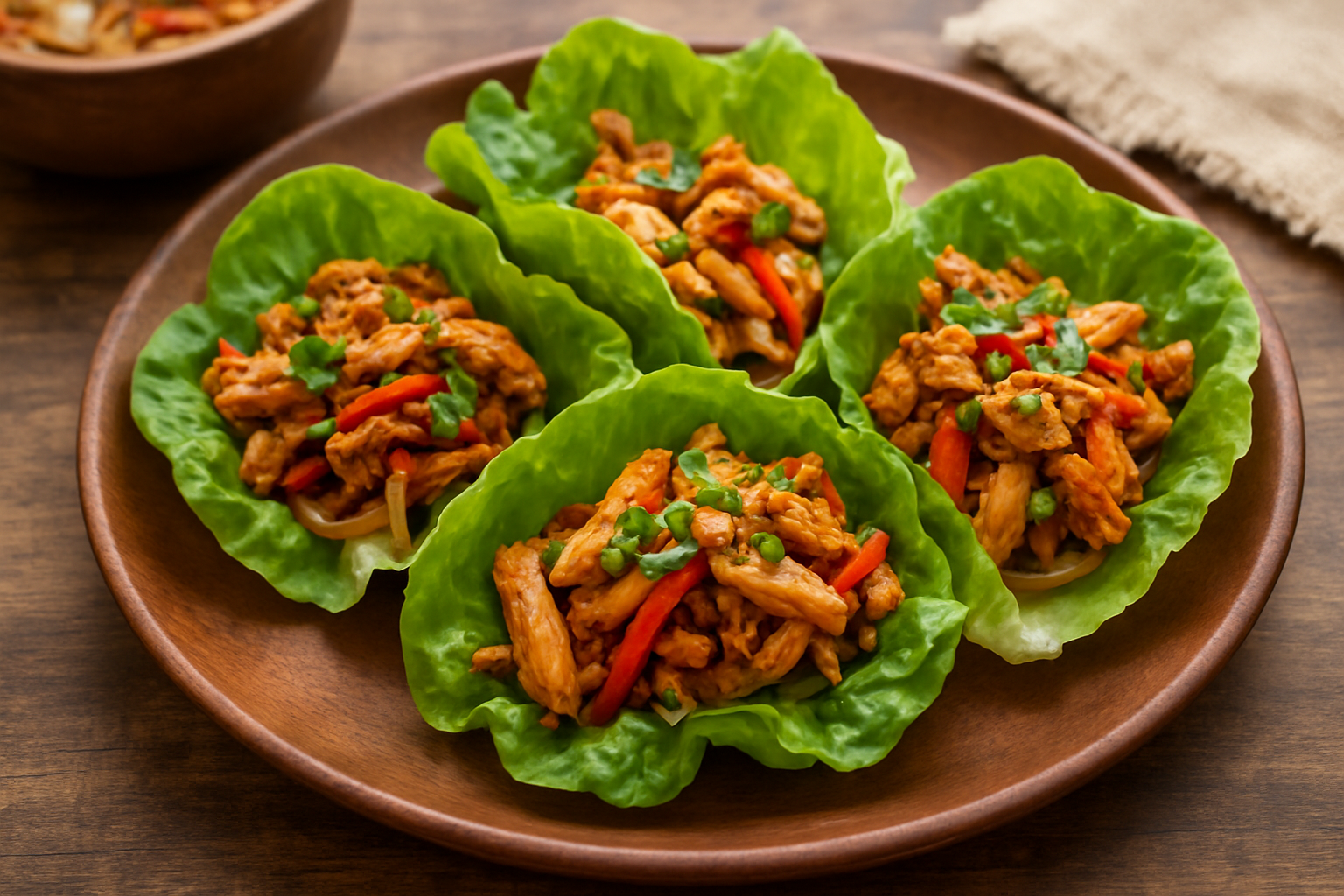
1. Lettuce Wraps with Spiced Chicken.
A wholesome, low-carb alternative to tortillas or bread.
Ingredients:
8 large lettuce leaves (romaine or butterhead)
200g grilled chicken breast (shredded)
1 onion, sliced
1 bell pepper, chopped
1/4 cup olive oil Salt, chili powder, and garlic, to taste Method:
1. Sauté onion and bell pepper in olive oil with garlic and chili flakes.
2. Add shredded chicken, season with salt, and stir well.
3. Spoon mixture onto lettuce leaves, fold, and serve as wraps.
Benefit: High in vitamin A and K while also boosting protein intake.
2. Lettuce and Lentil Vitamin Boost Salad.
A folate-rich bowl that’s both filling and nutrient-dense.
Ingredients:
2 cups green leaf lettuce, chopped
1 cup cooked lentils
½ cucumber, diced
1 carrot, grated
Lemon juice, olive oil, salt, and pepper
Method:
1. Mix lentils, cucumber, and carrot in a large bowl.
2. Add lettuce and toss with lemon juice and olive oil.
3. Season lightly and serve chilled.
Benefit: Combines folate-rich lentils with vitamin K-rich lettuce, perfect for energy and bone health.
3. Green Lettuce Smoothie
a vitamin-rich beverage for the morning. Ingredients:
1 cup lettuce leaves
1 apple, chopped
½ banana
1 cup coconut water
A few mint leaves
Method:
1. Blend all ingredients until smooth.
2. Serve cold for a hydrating and nourishing breakfast.
Benefit: A natural source of vitamins A, B, and hydration in one glass.
4. Stir-Fried Lettuce with Garlic
An Asian-inspired dish that transforms lettuce into a hot side.
Ingredients:
2 cups romaine lettuce, roughly chopped
2 garlic cloves, minced
1 tbsp sesame oil
1/4 cup soy sauce Method:
1. Heat sesame oil and sauté garlic until golden.
2. Toss in lettuce and stir-fry for 2–3 minutes.
3. Drizzle soy sauce and serve hot with rice or noodles.
Benefit: Preserves vitamin K content while enhancing flavor with minimal seasoning.
5. Lettuce Soup with Herbs
A soothing way to enjoy lettuce during colder days.
Ingredients:
3 cups lettuce leaves, chopped
1 onion, diced
1 potato, chopped
1/4 cup olive oil 2 cups vegetable broth
Fresh herbs (parsley, coriander)
Method:
1. Sauté the potato and onion in oil until soft.
2. Add lettuce and broth, cook for 10 minutes.
3. Blend into a smooth soup, garnish with herbs.
Benefit: Provides hydration, fiber, and vitamins A and K in a warming dish.
Tips to Maximize Vitamin Benefits from Lettuce
Choose darker varieties (like romaine or red leaf) for higher nutrient content.
Vitamins A and C are best preserved when consumed fresh and raw whenever possible.
To increase the absorption of fat-soluble vitamins A and K, combine with healthy fats like olive oil, avocado, and nuts. Avoid overcooking, as prolonged heat can reduce vitamin content.
Store properly: Keep in a perforated bag in the fridge to maintain freshness.



















Responses (0)
Sign in to share your thoughts.
Sign in