
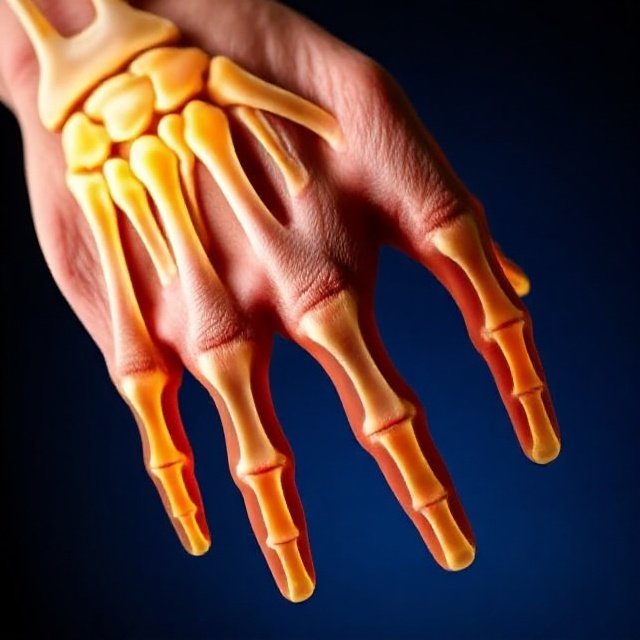
This Is What Happens to Your Bones After Starting Daily Eating Finger Millet,
Finger millet, also known as ragi in India, is a traditional grain that has been consumed for centuries across Asia and Africa.
Once seen as a humble staple, finger millet is now regaining its reputation as a super grain, especially for bone health.
Packed with calcium, vitamin D, amino acids, and a wide range of minerals, this tiny seed offers big benefits when it comes to strengthening and protecting your skeletal system.
Here's what happens to your bones gradually when you start eating finger millet every day, and why experts often refer to it as nature's calcium storehouse.
1. Your Calcium Levels Get a Boost
Calcium is the primary mineral your bones need to stay strong, dense, and fracture-resistant.
Unlike polished rice and refined wheat, finger millet is one of the richest natural sources of calcium.
Finger millet contains 350–380 mg of calcium per 100 grams, nearly three times more than milk.
Ragi helps those who are lactose intolerant or unable to consume dairy by filling the void. What happens to your bones:
After a few weeks of regular consumption, your body builds a stronger calcium reserve, which improves bone mineral density.
Over the long term, this reduces risks of osteoporosis, brittle bones, and frequent fractures, especially in women after menopause.
2. Bone Development in Children Improves.
Finger millet is often recommended for children because of its nutrient density.
Calcium and phosphorus in ragi directly support the growth of new bone tissue.
Children eating ragi porridge, roti, or dosa regularly experience healthier bone formation.
The magnesium content supports the activity of vitamin D, which helps in better calcium absorption.
What happens to bones:
Children develop stronger skeletal structure and better posture, with reduced risk of developing rickets or bone deformities caused by calcium and vitamin D deficiencies.
3. As you get older, your bones become more resilient. Bone loss naturally begins around the age of 30, and postmenopausal women are particularly vulnerable.
Finger millet helps slow down this loss by providing not just calcium but also:
Iron – improves blood circulation, ensuring nutrients reach bones efficiently.
Vitamin K – plays a role in bone metabolism.
Calcium and phosphorus work together to harden bone tissue.
What happens to bones:
With daily ragi intake, older adults experience slower bone thinning, better mobility, and reduced risk of age-related fractures.
It becomes a natural shield against osteoporosis.
4. Strengthens the joints more It’s not just bones finger millet also benefits your joints. Ragi's antioxidants and polyphenols fight inflammation, which frequently causes joint stiffness and pain.
What happens to bones and joints:
Daily finger millet keeps joints lubricated and lowers risks of arthritis. Over months, people often report less pain and more flexibility in knees and hips, allowing for better movement and posture.
5. Bone Healing Accelerates
When you suffer a fracture, your body needs a good supply of calcium, protein, and other minerals to heal efficiently.
Ragi, with its calcium-protein synergy, helps accelerate recovery.
What happens to bones:
Bone tissue repairs more efficiently when finger millet is consumed daily, especially in the form of ragi flour rotis, porridge, or even as a health drink with milk.
6. Better Vitamin D Utilization
Calcium alone is not enough; your body needs vitamin D to absorb it effectively.
Ragi contains amino acids like methionine and lysine that support vitamin D activity. Moreover, when paired with sunlight exposure, ragi acts as a catalyst for calcium absorption.
What happens to bones:
Over time, bones retain calcium more efficiently, preventing calcium wastage and ensuring your skeleton stays strong even under stress.
7. Prevents Bone-Weakening Conditions.
Finger millet consumption has been linked to the prevention of several bone-related conditions:
Osteoporosis – due to high calcium density.
Arthritis – thanks to anti-inflammatory compounds.
Bone fractures – calcium and phosphorus improve bone strength.
Rickets in children – prevented through calcium and vitamin D support.
8. Long-Term Bone Density Improvement.
Unlike supplements, which can sometimes lead to calcium build-up in the kidneys, finger millet provides nutrients in a bioavailable form meaning the body can absorb them easily.
What happens to bones:
Bone density gradually increases, making them more resistant to wear and tear.
Athletes, older adults, and women in their midlife are especially affected by this.
How to Eat Finger Millet for Bone Health
Eating ragi daily doesn’t mean you need to stick to plain porridge.
It can be enjoyed in several delicious forms:
1. Ragi Porridge – Traditional and nourishing, perfect for children and elders.
2. Ragi Roti is made with vegetables and whole wheat flour.
3. Ragi Malt – A healthy drink when combined with milk.
4. Ragi Dosa/Idli – Fermented forms improve mineral absorption.
5. Ragi Cookies or Pancakes – Healthy alternatives to refined flour snacks.
Expert Advice for Getting the Most Out of Bone Pair with Vitamin D sources: Sunlight, eggs, or fortified foods ensure better calcium absorption.
Ragi can be reduced in anti-nutrients like phytates, which can hinder calcium absorption, by soaking or sprouting it prior to cooking.
Combine with protein-rich foods like pulses or legumes for complete nutrition.
Eat in moderation: Around 2–3 servings per day is
ideal; overconsumption may cause digestive heaviness.




















Responses (0)
Sign in to share your thoughts.
Sign in