Three Signs Your Child May Be Overcontrolled by You – Children
Raising kids is a delicate balancing act. We need to set boundaries and keep them safe, yet it is easy to cross the line into overcontrol without…


Raising kids is a delicate balancing act. We need to set boundaries and keep them safe, yet it is easy to cross the line into overcontrol without realizing it. Too much supervision can quietly stifle a child’s independence and inner drive. Watch for these three subtle signs that you may be holding the reins too tightly.
Sign 1: They only behave well when you are watching
Some children are “obedient” only under their parents’ gaze. They will start homework only if someone pushes them, and put down their phone only when being supervised. Left unsupervised, they quickly slack off.
This pattern shows they have not built inner self-discipline. They rely entirely on constant reminders from you to get things done.
But discipline forced by supervision never lasts. When parents use authority to make children comply, they take away the chance for kids to learn responsibility for themselves.
Overcontrolled children often cannot tell the difference between “I want to do this” and “I have to do this”. Once external supervision disappears, their self-direction vanishes too.
Sign 2: Poor self-care skills and fragile emotions
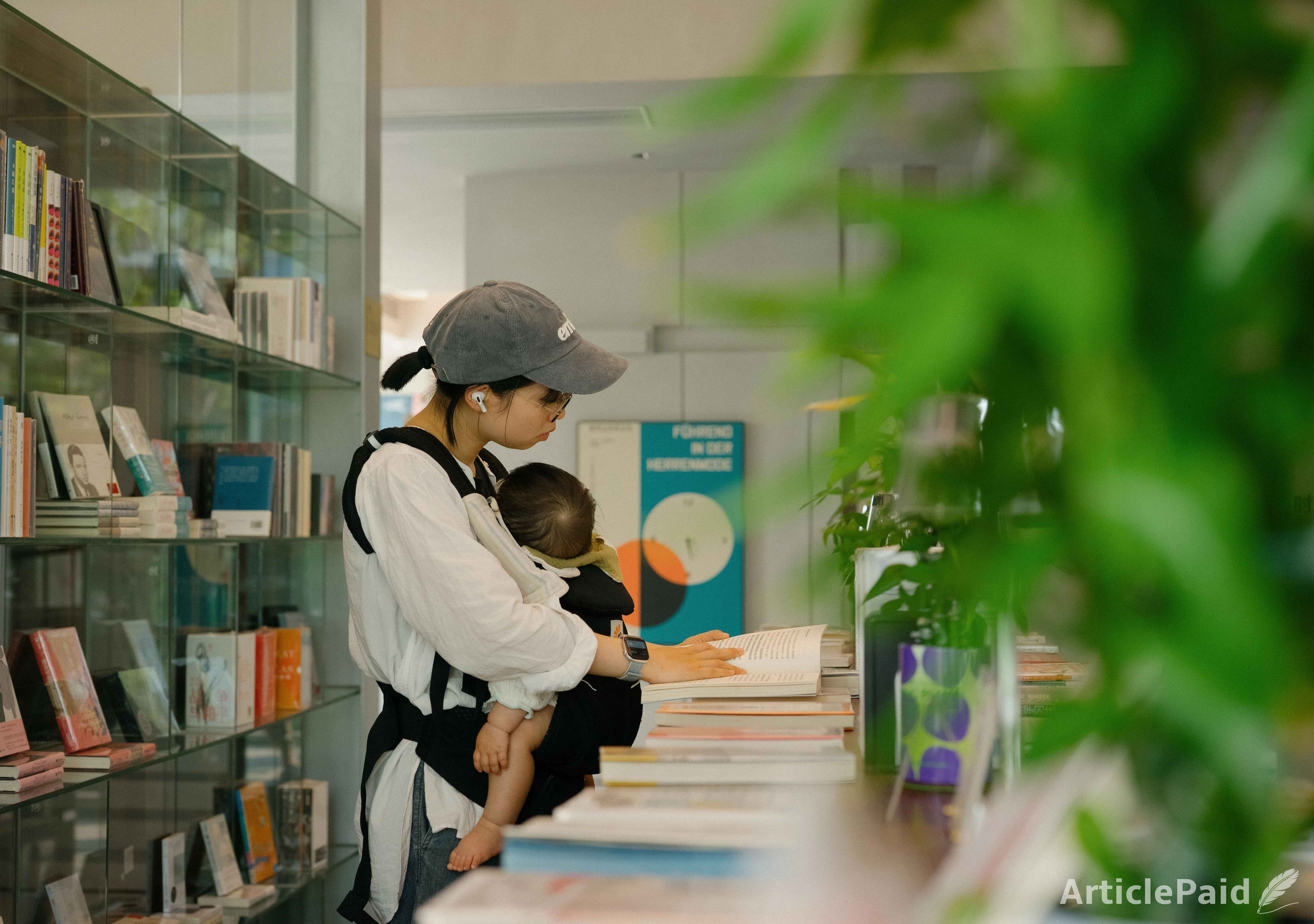
There is a well-known story: a teacher noticed a child left the boiled egg from his school breakfast untouched. When asked, the boy said he liked eggs — he just did not know how to peel one.
Peeling an egg is trickier for young kids than it seems. The first time they try, the surface will be messy, dotted with tiny shell fragments. Many parents cannot bear to watch and step in: “Stop, let me do it for you.” And so the child’s first attempt ends before it can sink in.
The same thing may happen again and again. Soon the child simply waits for an adult to peel it for him, accepting the belief that he cannot do it well.
Many parents assume if they handle everything for their kids while they are young, the children will automatically grow independent later. But life skills do not appear out of nowhere. They come from repeated trial and practice. Without chances to solve problems on their own, children struggle to build the confidence of “I can do this”. Small setbacks can easily overwhelm them. When parents smooth away every obstacle, they rob their child of opportunities to grow through experience.
If you hope to nurture independence, you can follow this four-step approach: First, I do it for you. Second, we do it together. Third, I watch while you do it. Fourth, you do it all by yourself.

Sign 3: They stay quiet and avoid sharing their true thoughts
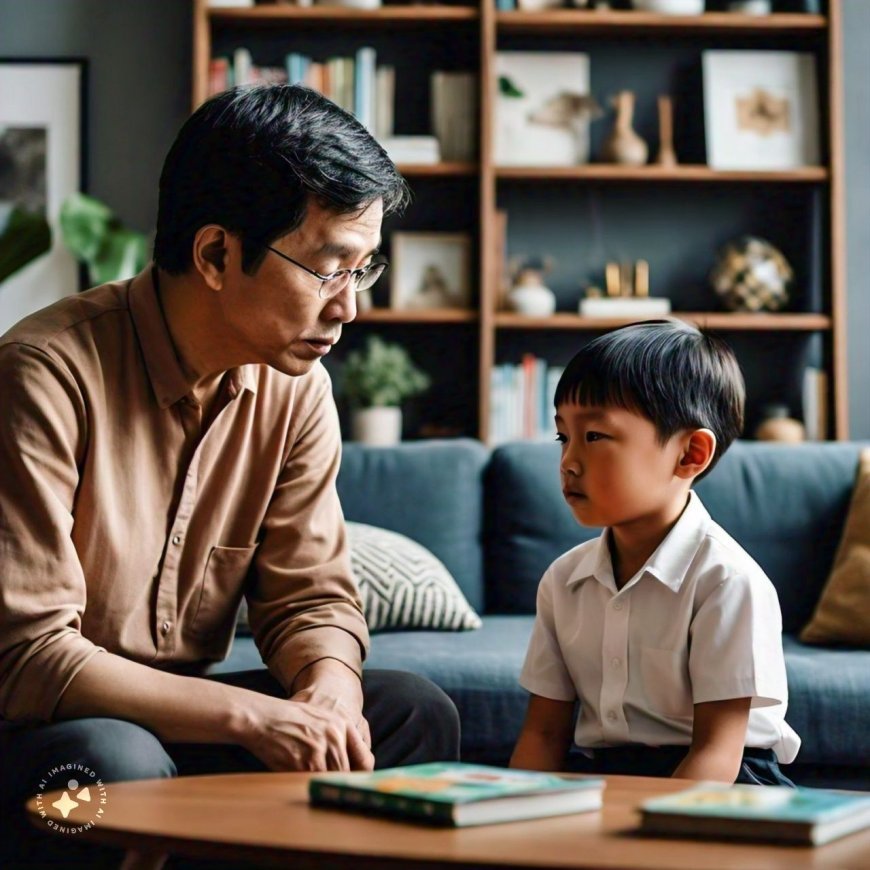
Children who are constantly directed and judged gradually hold back their opinions. They rarely open up about how they feel. When talking with their parents, they give short, hollow replies and keep their real feelings hidden.
Even when they disagree, they instinctively stay silent. They have learned their preferences and ideas are seldom accepted, and speaking up rarely changes the plans laid out for them. Over time, a quiet distance grows between parent and child, and they stop sharing their inner world.
Good parenting is about letting go, not taking charge. Parents are not commanders of their children’s lives; we are guides and protectors. Firm boundaries and essential rules matter, yet smaller things — clothing style, hobbies, and how they spend their free time — can be handed over for them to decide.
Education is not about shaping a child into what we imagine. It is about helping them grow into who they truly are. Give them room to make their own choices, and they will build the confidence to face whatever life brings.














Responses (0)