

High blood pressure affects millions worldwide, increasing the risk of heart disease, stroke, and kidney problems. While medication can help, many individuals seek natural methods to manage blood pressure safely—with fewer side effects and added holistic benefits. Fortunately, research supports various lifestyle and dietary changes that can effectively reduce hypertension. The following ten natural solutions—ranging from dietary adjustments and movement habits to stress management and supplements—offer a comprehensive, sustainable approach to maintain healthy blood pressure levels. Each strategy supports your body’s heart and circulatory function while contributing to overall well-being.
Adopt a Heart-Healthy Diet Rich in Whole Foods
One of the most powerful ways to reduce blood pressure is by embracing a whole-foods diet that emphasizes fruits, vegetables, whole grains, lean proteins, and healthy fats. Nutrient-dense foods deliver potassium, magnesium, fiber, and antioxidants—key nutrients that support healthy blood vessel function and lower hypertension. Diet patterns like DASH (Dietary Approaches to Stop Hypertension) and the Mediterranean diet have been rigorously studied and shown to decrease systolic blood pressure by up to 11 mm Hg within weeks.
Instead of processed meals high in sodium, trans fats, and added sugars, focus your plate on unprocessed foods that nourish your cardiovascular system. A healthier diet helps reduce inflammation, promote weight loss, and balance blood sugar—all critical components of blood pressure control.
Foods to include every day:
- Leafy greens (spinach, kale, Swiss chard), rich in potassium
- Berries (blueberries, strawberries), high in antioxidants
- Whole grains (oats, quinoa, brown rice) for fiber
- Legumes (beans, lentils) for plant-based protein
- Nuts and seeds (almonds, flaxseeds) for healthy fats
2. Reduce Sodium and Increase Potassium Intake
Sodium and potassium work in opposition when it comes to blood pressure regulation. High sodium intake can cause your body to retain fluid, increasing blood pressure, while potassium helps your body excrete sodium and relax blood vessel walls. Most sodium in modern diets comes from processed and packaged foods, restaurant meals, and added table salt—not from cooking.
Balancing your sodium-potassium ratio has a direct effect on blood pressure levels. The American Heart Association suggests limiting sodium to under 1,500 mg daily, and researchers recommend aiming for 3,500–4,700 mg of potassium each day. Including potassium-rich foods alongside low-sodium alternatives ensures your body remains in optimal balance.
Practical strategies to balance electrolytes:
- Swap processed snacks for fresh fruit like bananas or oranges
- Season with herbs and spices instead of salt
- Incorporate leafy greens, sweet potatoes, and avocados daily
- Read nutrition labels to limit high-sodium foods
- Use low-sodium or homemade broth for cooking
3. Move Daily with Moderate Physical Activity
Regular physical activity is a cornerstone in reducing blood pressure and enhancing cardiovascular health. Exercise strengthens the heart, enabling it to pump blood more efficiently with less force—thus lowering pressure on the arteries. Studies show moderate-intensity exercise like brisk walking, cycling, swimming, or aerobic classes 150 minutes per week can drop systolic blood pressure by up to 8 mm Hg.
Consistency and variety are key. Mix cardiovascular workouts with strength training to support blood vessel tone and metabolic health. Even small amounts of daily movement—like taking the stairs or light stretching—can cumulatively improve your circulation and blood pressure.
Recommended movement plan:
- Brisk walking or cycling for 30 minutes, 5 days a week
- Strength training sessions twice weekly to support vascular function
- Low-impact exercise such as swimming or tai chi for joint-friendly movement
- Daily breaks: stretch, walk, or do bodyweight exercises
- Incorporate standing or walking breaks during long periods of sitting
4. Maintain a Healthy Weight
Carrying excess weight, especially around the abdomen, increases strain on the heart and blood vessels, leading to elevated blood pressure. Even modest weight loss—around 5–10% of your body weight—can have a significant impact, decreasing systolic pressure by as much as 5–20 mm Hg. Weight reduction also improves blood sugar control and reduces inflammatory stress, further protecting cardiovascular health.
Achieving and maintaining a healthy weight involves combining nutrient-dense eating, regular exercise, and lifestyle improvements such as sleep and stress management. Focus on long-term, sustainable habits rather than quick fixes to ensure lasting blood pressure benefits.
Effective weight management tactics:
- Track your food intake to identify high-calorie patterns
- Eat regular, balanced meals with lean protein and fiber
- Prioritize unsweetened whole foods over processed items
- Stay consistent with daily movement and strength-building
- Set realistic, incremental goals and celebrate small wins
5. Improve Sleep Quality and Duration
Quality sleep supports healthy blood pressure regulation by allowing your body’s stress hormones and cardiovascular system to stabilize nightly. Insufficient or poor sleep—common in modern society—is associated with higher blood pressure, increased inflammation, and reduced heart resilience. Adults should aim for 7–9 hours of uninterrupted, restorative sleep each night.
Establishing good sleep habits is essential. Simple routines like consistent bedtimes, limited screen exposure, and a calming sleep environment greatly enhance sleep quality, which in turn lowers blood pressure naturally over time.
Sleep-enhancing practices include:
- Maintaining a consistent sleep–wake schedule each day
- Creating a dark, cool, and quiet bedroom environment
- Avoiding caffeine and heavy meals at least 4 hours before bed
- Implementing wind-down rituals such as herbal tea or reading
- Managing nighttime stress with relaxation techniques like meditation
6. Manage Stress with Relaxation and Mindfulness
Chronic stress contributes significantly to high blood pressure by activating the sympathetic nervous system (fight-or-flight), which raises cortisol, adrenaline, and heart rate. Repeated activation damages blood vessel function and increases blood volume. Techniques that promote the parasympathetic state (rest-and-digest) can reverse these effects and lower blood pressure naturally by 5–10 mm Hg.
Mindfulness, deep breathing, meditation, guided imagery, and yoga are all effective tools to regulate stress responses. Even short daily practice sessions can reduce cortisol levels, calm the nervous system, and protect cardiovascular health.
Stress-relief practices to include daily:
- Diaphragmatic breathing (4 counts inhale, 6 exhale)
- Progressive muscle relaxation or body scan meditation
- Guided imagery or positive visualization techniques
- Gentle yoga flows or restorative poses
- Nature walks or forest bathing for sensory relaxation
7. Consume Blood-Pressure-Supportive Foods and Beverages
Beyond overall diet, certain foods and beverages have been shown to directly support healthy blood pressure, thanks to bioactive compounds such as nitrates, polyphenols, and omega-3 fatty acids. Integrating these foods consistently can enhance blood vessel elasticity, reduce inflammation, and support vascular health.
Key natural blood pressure supporters:
- Beets and leafy greens (rich in nitrates for vasodilation)
- Fatty fish or plant-based omega-3s (anti-inflammatory)
- Dark chocolate (flavanols promote vessel relaxation)
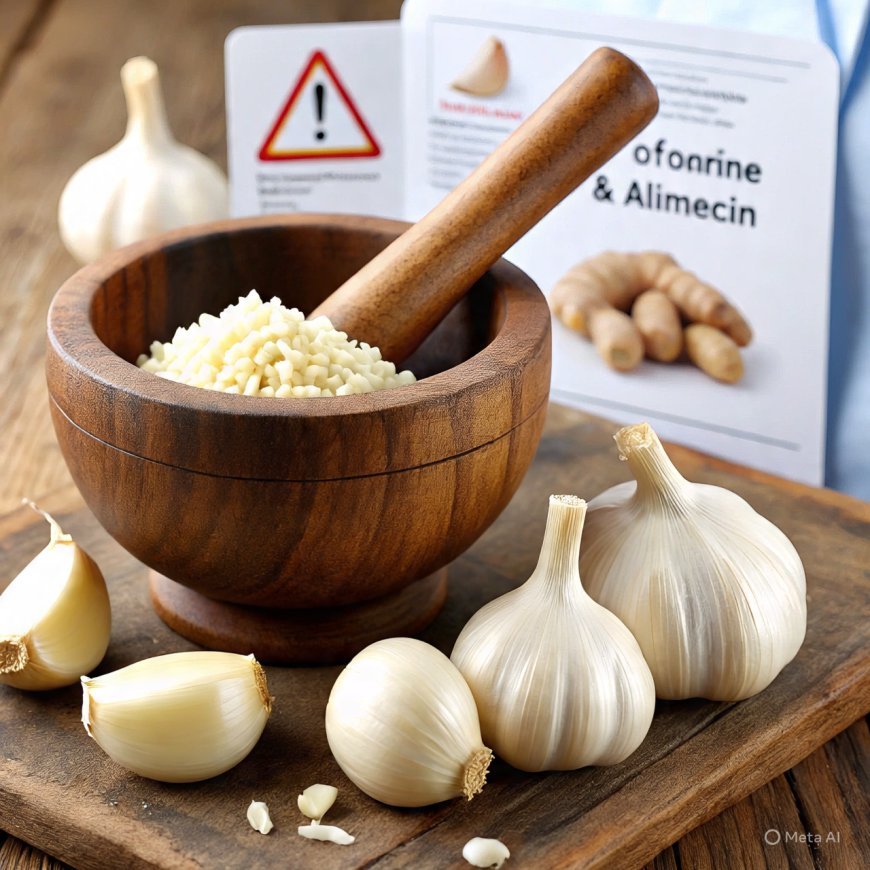
- Garlic (allicin helps reduce arterial stiffness)
- Hibiscus, green tea (polyphenols with BP-lowering effects)
Enjoy these in whole-food forms like smoothies, salads, beverages, or healthy desserts to boost nutritional impact without added sodium or sugars.
8. Limit Alcohol and Avoid Tobacco
While moderate alcohol consumption has mixed findings, regular or excessive intake can raise blood pressure and impair cardiovascular health. Smoking and secondhand exposure are even more damaging, causing immediate increases in blood pressure and long-term arterial damage.
Reducing or eliminating tobacco use and reducing alcohol to moderation (no more than one drink per day for women, two for men) can reverse many of these harmful effects, improving arterial health and lowering blood pressure naturally.
Practical steps toward a cleaner lifestyle:
- Limit alcohol to evenings only or practice alcohol-free days
- Seek out alternatives to seltzers, mocktails, or herbal tonics
- Enroll in smoking cessation programs or adopt nicotine alternatives
- Avoid environments with smoke exposure
- Replace habits of alcohol or nicotine with calming routines like tea or meditation
9. Incorporate Heart-Supportive Supplements
Certain natural supplements have well-researched effects on blood pressure and cardiovascular function. Used appropriately, they offer a safe addition to lifestyle changes. Consult with a healthcare professional before starting any new protocol, especially if you take medications.
Effective supplements include:
- Magnesium (supports muscle relaxation and vascular tone)
- Potassium (aids in fluid balance and vessel relaxation)
- CoQ10 (antioxidant that improves heart energy metabolism)
- Omega-3 fatty acids (reduce inflammation and support endothelial function)
- Hawthorn extract (vine used historically for heart support)
Choose high-quality supplements with third-party testing, and aim for food forms of nutrients when possible. Balance these supplements with healthy living choices to maximize their blood pressure-lowering effects.
10. Monitor Blood Pressure and Track Progress
Natural solutions are most successful when you monitor your blood pressure regularly and track your daily habits. Accurate measurement helps you see improvements over time, understand which strategies are most effective, and spot any concerning trends requiring professional guidance.
Establish a routine:
- Use a reliable home monitor, measuring at the same time daily
- Log values along with notes about sleep, stress, diet, and activity
- Bring readings to medical appointments to inform care
- Adjust strategies based on results—e.g., emphasize sleep if mornings remain high
- Celebrate consistent progress and fine-tune your approach
Self-monitoring empowers you and provides accountability. When backed by natural, healthy habits, you’ll gain confidence in managing your blood pressure safely and sustainably.
Conclusion
Lowering blood pressure naturally involves nurturing your body and mind through thoughtful lifestyle measures. From adopting a heart-healthy diet and staying active to managing stress, improving sleep, and supporting your cardiovascular system with smart supplements and monitoring, all these strategies work in synergy. Rather than relying solely on medication, these ten solutions enable your body to regulate blood pressure more effectively—enhancing vitality, heart health, and quality of life. By committing to consistent healthy practices, you can create long-term balance, reduce risks, and feel stronger every day.



















Responses (0)
Sign in to share your thoughts.
Sign in