

Bad Signs After Overhydration: What You Need to Know,
Water is one of the most essential elements for life. It keeps our bodies hydrated, regulates temperature, supports digestion, flushes toxins, and ensures that every organ functions properly.
While dehydration is widely recognized as dangerous, the opposite condition overhydration or water intoxication is equally harmful but less often discussed.
Drinking too much water can disrupt the balance of electrolytes in the body, especially sodium, and lead to a condition called hyponatremia, which can cause mild to severe health problems.
In this article, we will explore the bad signs after overhydration, why they occur, and what you should do if you experience them.
Recognizing Overhydration Overhydration happens when you consume more water than your kidneys can eliminate, leading to excess fluid in the blood and tissues. Normally, kidneys filter about 0.8–1.0 liters of water per hour.
Drinking far beyond this limit, especially in a short period, dilutes sodium levels and disrupts the body’s electrolyte balance.
There are two main types of overhydration:
1. When a person drinks a lot more water than their body needs, this is called excessive water intake.
2. Water retention – When the body cannot excrete water efficiently due to conditions like kidney disease, liver failure, or heart problems.
Regardless of the cause, both can lead to serious symptoms.
Bad Signs After Overhydration
The most dangerous symptoms of excessive water intake include the following:
1. Clear and frequent urination The first and most obvious sign of overhydration is needing to urinate very frequently, even at night.
While healthy hydration leads to pale-yellow urine, completely clear urine all the time may mean you’re flushing out too much sodium and other minerals.
Nerve and muscle function may be affected by this imbalance.
2. Headaches and Nausea
Ironically, headaches, nausea, and vomiting are all signs of overhydration, which is similar to dehydration.
These occur due to swelling in brain cells caused by excess water diluting sodium levels.
A sudden onset of pounding headaches after excessive water intake is a red flag.
3. Lips, hands, or feet swelling Edema, also known as swelling, can result from excess water entering cells and tissues from the bloodstream. You may notice puffiness in your hands, feet, ankles, or lips.
In severe cases, swelling can affect the brain and lead to life-threatening complications.
4. Muscle Weakness or Cramps
Overhydration dilutes electrolytes such as sodium, potassium, and magnesium, which are vital for muscle contractions.
This imbalance can cause muscle weakness, twitching, spasms, or cramps, especially after workouts or physical activity.
5. Fatigue and Low Energy
When sodium levels drop too low, cells struggle to carry out normal functions.
Even if you get enough sleep, this causes persistent tiredness, confusion, or brain fog.
Overhydrated individuals may feel drained instead of refreshed.
6. Difficulty Breathing
In severe cases, excess water can cause fluid to build up in the lungs, leading to shortness of breath or difficulty breathing.
This is a medical emergency and requires immediate treatment.
7. Confusion and Disorientation
Hyponatremia directly affects brain function.
Concentration issues, confusion, irritability, and even hallucinations are all negative symptoms. In extreme cases, seizures or loss of consciousness may occur.
8. Chest Pain and Blood Pressure Fluctuations
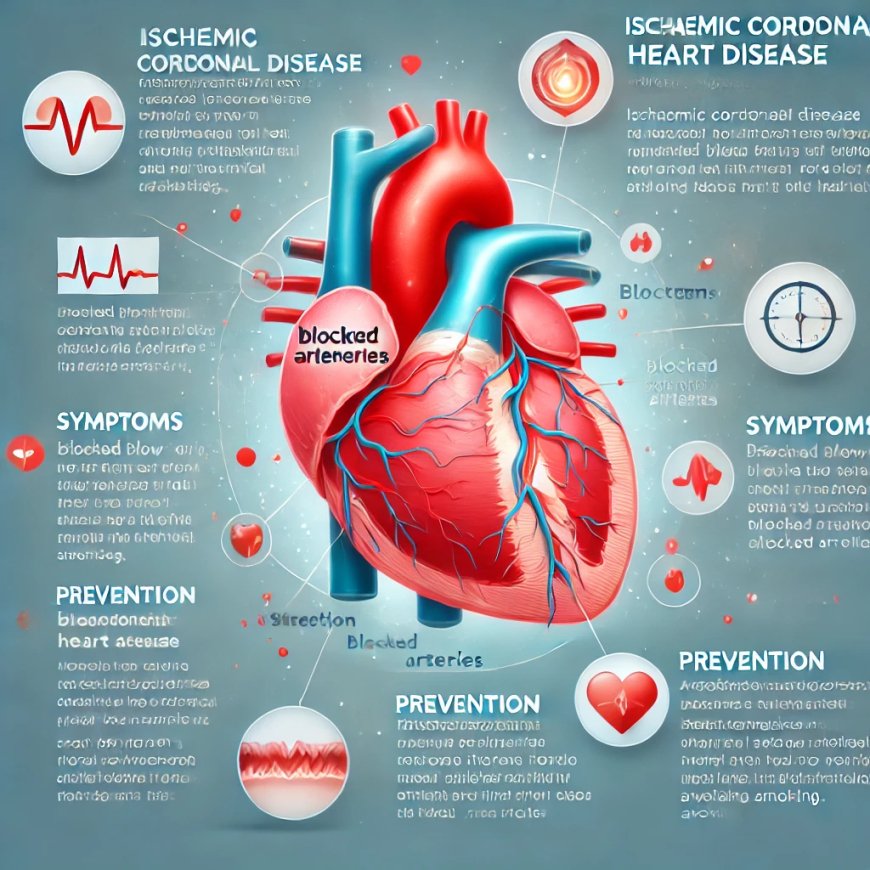
Overhydration can increase blood volume, straining the heart and blood vessels.
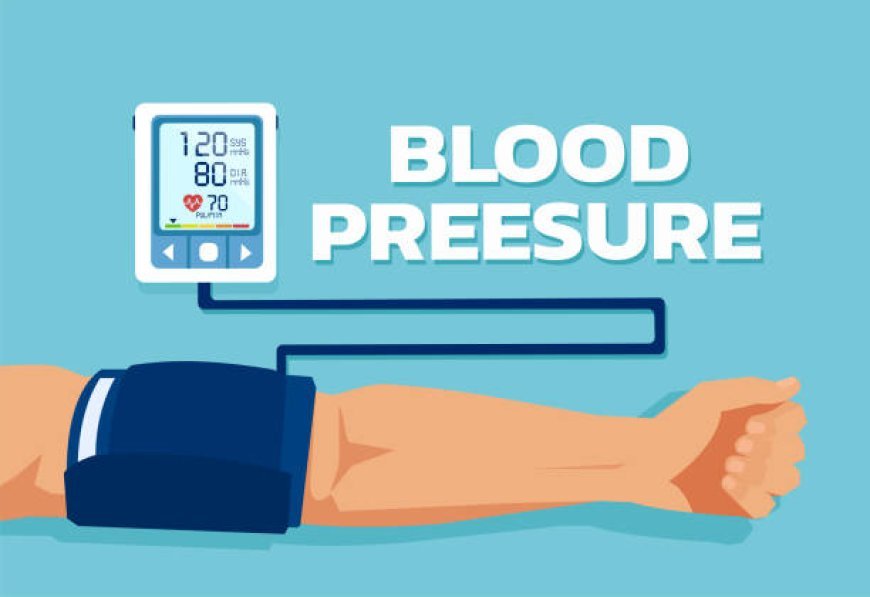
Palpitations, dizziness, and chest discomfort may occur in some individuals. Blood pressure may rise or drop depending on how the body responds to the excess fluid.
9. Weight Gain in a Short Time
If you suddenly gain 2–3 pounds in a day without dietary changes, it could be due to water retention.
This type of weight gain is not fat-related but signals fluid overload, often linked to overhydration or medical conditions.
10. Severe Neurological Symptoms
In the worst cases of water intoxication, the brain swells due to water entering brain cells.
Symptoms include seizures, coma, or even death if not treated quickly.
Athletes and soldiers who drink excessive water in endurance activities are at higher risk.
Why are these signs occurring? The main reason overhydration causes these bad signs is hyponatremia. Sodium helps regulate the balance of fluids inside and outside cells.
When sodium is diluted:
Water enters cells to balance concentration.
Cells swell, causing pressure in the brain and other organs.
This swelling leads to headaches, confusion, swelling in tissues, and in extreme cases, seizures or coma.
Who Is at Risk of Overhydration?
Not everyone faces the same risk. People more prone to overhydration include:
Endurance athletes (marathon runners, cyclists, triathletes) who drink excessive water without replacing electrolytes.
elderly people whose kidneys may not be able to remove water effectively. People who have heart, kidney, or liver disease, all of which can make it harder for the body to handle fluids.
Individuals on certain medications (antidepressants, NSAIDs, diuretics) that affect fluid balance.
Overly health-conscious individuals who believe more water always means better health.
How Much Water is Safe?
The exact requirement varies based on age, climate, activity, and health condition. However, general guidelines suggest:
Men: About 3.7 liters (15–16 cups) per day
Women: About 2.7 liters (11–12 cups) per day
But remember, this includes all fluids from water, beverages, and food (fruits, vegetables, soups). Overhydration is more likely if you drink more than you should when you are thirsty and far in excess of these recommendations.
What to Do If You Find Out You Are Dehydrated If you experience the bad signs mentioned, here are the steps to take:
1. Stop drinking excess water immediately.
2. Examine the color of the urine. If it is always crystal clear, reduce water intake slightly.
3. Replenish electrolytes. Drink oral rehydration solutions, coconut water, or sports drinks with sodium and potassium.
4. Seek medical help if you experience confusion, chest pain, seizures, or difficulty breathing. These can be emergencies.
5. Keep an eye on your fluid intake. Spread your water consumption evenly throughout the day instead of consuming large amounts quickly.
Preventing Overhydration
Drink when you feel thirsty, instead of forcing water at fixed intervals.
During workouts, balance water with electrolyte drinks if sweating heavily.
Avoid following extreme hydration challenges or myths like "drink a gallon a day."
Watch for early warning signs like swelling, fatigue, or excessive urination.
If you have kidney, liver,
or heart problems, ask your doctor about safe water intake limits.




















Responses (0)
Sign in to share your thoughts.
Sign in