

Which Foods Are Dangerous for Health After Reheating?
Reheating leftovers is a common practice in almost every household. Whether it’s yesterday’s dinner or a meal prepared in advance, heating food again often feels convenient and economical.
However, not all foods are safe to reheat. Some can lose their nutritional value, while others can develop harmful toxins and bacteria, posing serious risks to health.
Understanding which foods are dangerous after reheating can help you avoid unnecessary health issues like food poisoning, indigestion, or even long-term complications.
We will discuss the most important foods that should never be reheated and the potential health risks they pose in this article.
1. Rice
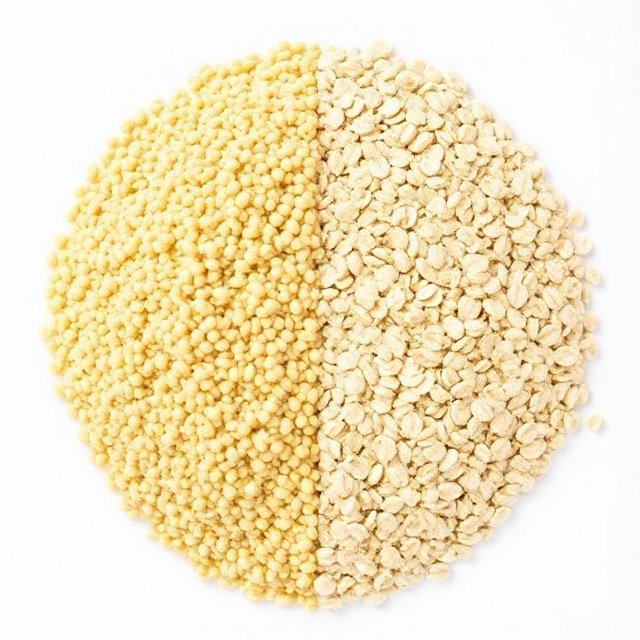
Rice is one of the foodstuffs that people eat the most of all over the world, but reheating it poses some of the greatest risks. Cooked rice contains spores of a bacterium called Bacillus cereus.
When rice is left at room temperature for too long, these spores can multiply and produce toxins that are heat-resistant. The rice is unsafe to eat because reheating it does not eliminate these toxins. Health risks:
Food poisoning
Vomiting and diarrhea
Strep throat Safe practice is to consume rice within 24 hours of cooking and store it in the refrigerator. Avoid reheating it multiple times.
2. Potatoes
Potatoes may seem harmless, but once cooked, they can be a breeding ground for harmful bacteria if not stored properly.
Leaving boiled or baked potatoes at room temperature encourages the growth of Clostridium botulinum, a bacterium that can cause botulism, a rare but serious illness.
Frequently, potatoes cannot be killed by reheating. Health risks:
Nausea and vomiting
Muscle weakness
Neurological issues (in severe botulism cases)
Safe practice: Store cooked potatoes in the refrigerator and consume them within 1–2 days. Avoid leaving them on the counter for long periods.
3. Chicken
Chicken is rich in proteins, but these proteins change structure when reheated. Improper reheating may lead to uneven heating, allowing bacteria like Salmonella or Campylobacter to survive.
These bacteria can cause severe gastrointestinal distress.
Health risks:
Foodborne infections
Stomach pain
Severe diarrhea and fever.
Safe practice: If you must reheat chicken, ensure it reaches an internal temperature of 75°C (165°F) and heat it only once.
4. Mushrooms
Changes in temperature have a significant impact on mushrooms. Their proteins and enzymes can degrade quickly after cooking, especially if not stored properly.
Reheating mushrooms can lead to stomach upset and may even create toxic compounds depending on storage conditions.
Risks to the body: Digestive discomfort
Food poisoning symptoms
Safe practice: Eat cooked mushrooms immediately after preparation. If stored, consume them cold rather than reheating.
5. Spinach and Leafy Greens
Nitrates are high in celery, spinach, kale, and other leafy greens. Nitrates have the potential to change into nitrites and nitrosamines upon reheating, both of which have the potential to cause cancer. Health
risks:
Increased risk of cancer with frequent consumption
Toxic effects on infants if consumed in large quantities
Safe practice: Avoid reheating leafy greens. Eat them fresh or cold in salads.
6. Eggs
Reheating eggs is very difficult because of their delicate nature. Whether boiled, scrambled, or fried, reheating eggs at high temperatures can make them toxic.
Their protein structure breaks down and produces harmful compounds, leading to digestive problems.
Health risks:
Stomach ache Nausea
Possible toxic buildup in the body with frequent reheating
Safe practice: Cook eggs only in the amount you plan to eat. If stored, consume them cold in salads or sandwiches rather than reheating.
7. Seafood
Seafood, especially fish and shellfish, is highly perishable. Reheating seafood can increase the risk of food poisoning, especially if the fish was not stored correctly.
Additionally, reheating oily fish (like salmon, tuna, and mackerel) can make the fats oxidize, releasing harmful free radicals.
Health risks:
Foodborne illnesses like scombroid poisoning
Nausea and diarrhea
oxidized fat-induced inflammation Safe practice: Eat seafood fresh. If reheated, do so only once and ensure it reaches a safe internal temperature.
8. Beets
Beets are another vegetable high in nitrates. While they are very healthy when freshly cooked, reheating them can cause the same nitrate-to-nitrite conversion that occurs in spinach. Over time, this may contribute to health risks.
Health risks:
Potential carcinogenic effects
Reduced nutritional value
Safe practice: Use beets fresh in salads or juices. If cooked, consume immediately.
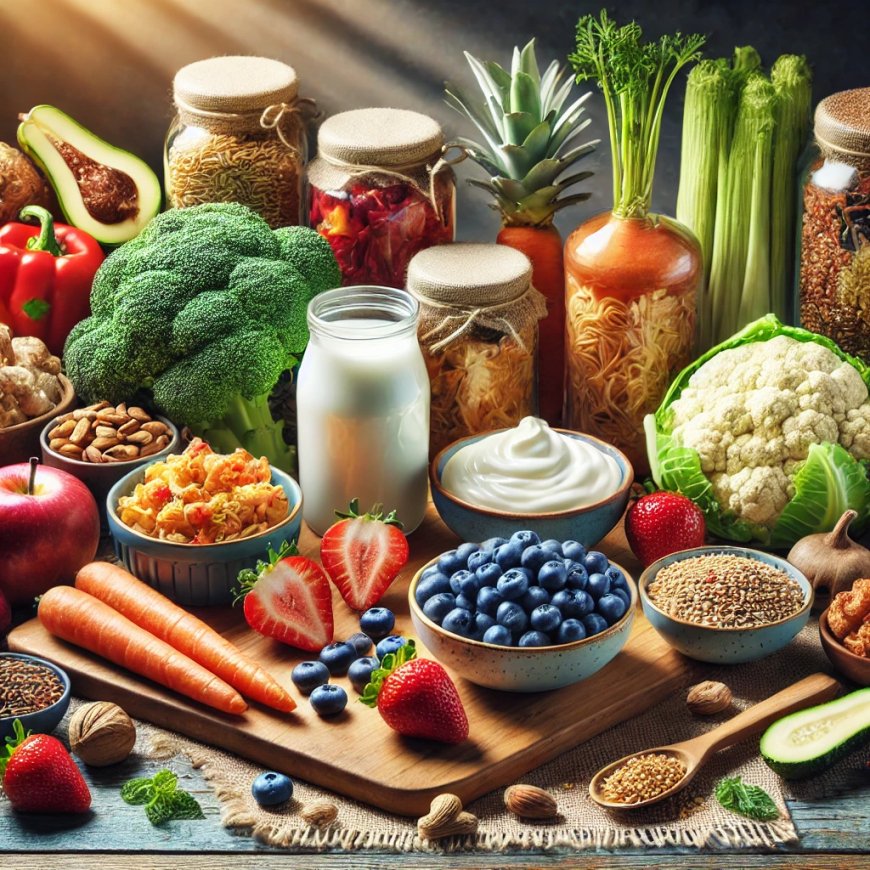
9. Carrots and Celery Often used in soups and stews, celery and carrots are also nitrate-rich vegetables. When reheated, their nitrate content can turn into nitrites and nitrosamines, posing health risks if consumed regularly.
Health risks:
Carcinogenic potential
Loss of nutrients Safe practice: If you use these vegetables in soup, store them in a safe place and try not to reheat them multiple times. ---
10. Oil-rich Foods
Foods fried or cooked in certain oils (like sunflower oil or soybean oil) can become dangerous after reheating.
Oils rich in polyunsaturated fats tend to oxidize when exposed to high heat repeatedly, producing free radicals.
These compounds can damage cells and increase the risk of chronic diseases.
Health risks:
Increased risk of heart disease
Inflammation
Higher cancer risk from repeated consumption
Safe practice: Use oils with higher stability for cooking (like olive oil or coconut oil). Deep-fried foods should not be reheated.
General Safety Tips for Leftovers.
1. Store promptly – Refrigerate leftovers within 1–2 hours of cooking.
2. Use airtight containers – Prevents bacterial contamination and preserves freshness.
3. Reheat once only – Repeated reheating increases the risk of bacterial growth and nutrient loss.
4. Check temperature – Ensure food reaches at least 75°C (165°F) to kill bacteria.
5. Eat within 24–48 hours – Longer storage increases the danger of spoilage.


















Responses (0)
Sign in to share your thoughts.
Sign in