
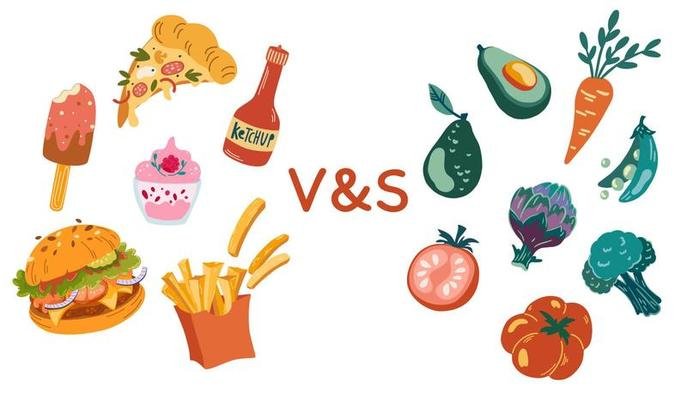
In our fast-paced modern lives, grabbing a quick snack or ready-made meal—anything that’s tasty, cheap, and accessible—often takes precedence over thoughtful meal preparation. But this convenience can come at a steep cost: the familiar tension between health food and junk food, or more precisely, ultra-processed foods, has never been starker. Let’s explore why real, nutrient-rich foods outperform ultra-processed counterparts, how the tide is shifting scientifically, and what this means for your everyday well-being.
1. What's at Stake: Defining Health Food vs. Junk Food
The World Health Organization (WHO) recommends eating at least 400 grams of whole fruits, vegetables, legumes, whole grains, and nuts daily; limiting fats to under 30% of calories; cutting back on simple sugars and salt; and avoiding trans fats altogether.
On the flip side, ultra-processed foods (UPFs)—often indistinguishable by their packaging or convenience—include items like sugary snacks, frozen ready meals, and flavored chips. These are frequently high in sugar, unhealthy fats, salt, and additives, but low in fiber and natural nutrients.
2. The Hidden Dangers of Ultra-Processed Foods
A. Weight Gain & Metabolic Chaos
Ultra-processed foods contribute significantly to obesity. People consuming these foods often eat about 500 extra calories daily, equating to nearly a pound of weight gain per week .
B. Chronic Disease Risk
- Diabetes: A 10% rise in UPF intake is tied to a 12% higher risk of type 2 diabetes.
- Heart Disease: Heavy UPF consumption leads to elevated risk—17% higher cardiovascular disease rates in high consumers.
- Cancer: Every 10% increase in UPF intake correlates with elevated odds of cancers including colorectal and breast.
C. Reproductive Impact
In one recent study, men on an ultra-processed diet—calorie-matched with unprocessed diets—gained fat and saw sex hormone reductions, despite identical calorie and macronutrient intake.
3. A Balanced View: Not Every Processed Food Is Bad
Researchers caution that not all UPFs are equally harmful. Wholegrain cereals, fortified dairy, and certain processed breads may offer nutritional value—and a blanket classification of all processed foods as "bad" can mislead consumers.
4. Health Food to the Rescue: Real Benefits, Real Results
A. Preventing Multiple Diseases
A recent large-scale study in The Lancet Healthy Longevity examined over 400,000 adults following a plant-rich diet. Each 10-point boost in their healthy Plant-Based Diet Index (hPDI) was linked with an 11%–19% lower risk for multiple chronic diseases like heart disease, cancer, and T2 diabetes.
B. Smarter Preparation Matters
Comfort foods like potatoes become healthier based on how they’re prepared. Studies show that fried options—like French fries—raise diabetes risk by 20%, while boiled or baked potatoes do not. This suggests that everyday choices and simple swaps can make big differences.
C. Heart-Smart Foods That Surprise Us
Relaxation of some past dietary myths now shows that a few previously maligned foods—like eggs, full-fat dairy, coffee, dark chocolate, and potatoes (prepared properly)—can offer cardiovascular benefits when consumed in moderation.
5. Junk Food’s Broader Toll on Health
Numerous sources underscore the wide-reaching consequences of frequent junk food consumption:
- Medicover Hospitals outlines 12 damaging effects—ranging from obesity and chronic diseases to mental health decline, hormonal imbalance, dental problems, and impaired immunity.
- Fortis Healthcare similarly lists ten health risks, including kidney and liver damage, depression, and even certain cancers.
- HealthDirect reports fatigue, sleep issues, higher stress, diabetes, and heart disease among long-term junk food consumers.
- A systematic review found junk food consumption raises odds of depression and psychological stress by 15–16%.
6. Shaping Habits & Environments: Beyond Individual Choices
A. Targeted Marketing
In social media and gaming spaces, junk food brands dominate—normalizing unhealthy eating among youth. One PLOS Digital Health study revealed over 16 million mentions of fast food and sugary drinks on social platforms in 2020, with an astonishing reach of 42 billion users.
B. Environmental Overload: Food Swamps
Some neighborhoods are surrounded by unhealthy food options, often dubbed “food swamps.” Marketing saturation in such areas makes it harder for communities to choose real, nutritious food.
7. Finding Balance: Health Foods Without Extremes
Here’s how to favor wellbeing without being overly strict:
- Prioritize plant-based, whole foods—fruits, vegetables, legumes, whole grains, nuts (per WHO and long-term studies).
- Prepare foods wisely: Choose boiled or baked over fried; enjoy potatoes, dark chocolate, eggs, and moderate coffee as beneficial choices.
- Read labels critically: Some processed foods, like nutrient-rich cereals, can fit into a healthy diet if chosen carefully.
- Limit ultra-processed foods—understand they pose serious risks and aren’t just empty calories.
8. Wrapping Up: A Clear Choice for Better Health
The evidence couldn’t be clearer: prioritizing real, nutrient-dense foods—whether whole, plant-based, or thoughtfully prepared—pays dividends for long-term health. Ultra-processed and junk foods, while often tempting, come bundled with hidden risks. Yet, moderation and informed choices—like opting for boiled items or whole-grain cereals—allow for flexibility without sacrificing wellbeing.




















Responses (0)
Sign in to share your thoughts.
Sign in