
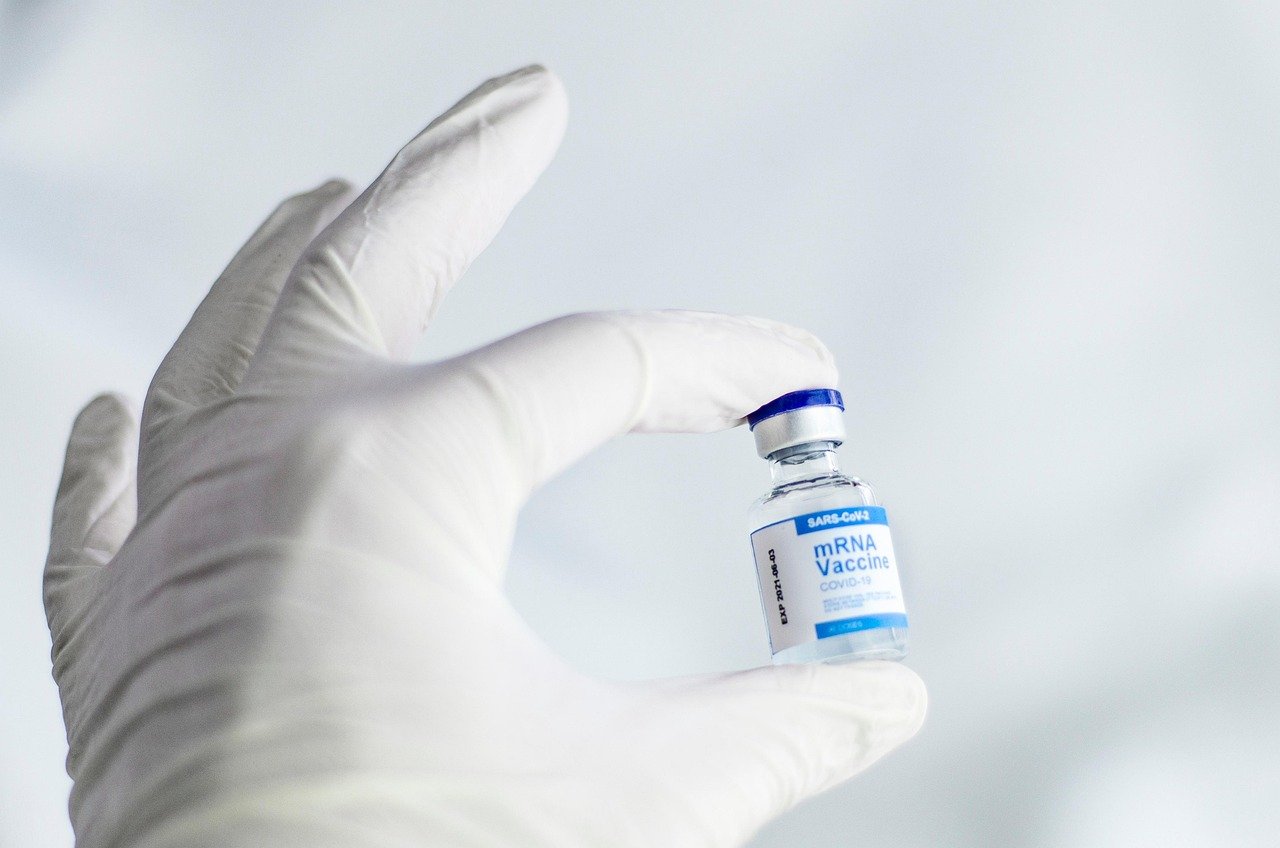
Pakistan is set to begin a historic anti-cancer vaccine campaign on September 15th, marking a groundbreaking step in public health. But why is this initiative so important, and how will it help the nation’s fight against cancer?
Protecting the Future Generations
The vaccine being introduced primarily targets the Human Papillomavirus (HPV), a leading cause of cervical cancer. In Pakistan, cervical cancer ranks among the most prevalent cancers affecting women, but it is also one of the easiest to prevent. By vaccinating young girls before exposure to the virus, the risk of developing cervical cancer later in life drops dramatically. This drive aims to safeguard the next generation from a deadly yet preventable disease.
A Major Public Health Breakthrough
According to the World Health Organization (WHO), more than 4,000 women in Pakistan are diagnosed with cervical cancer each year, and over half of them lose their lives due to late detection. This vaccination campaign is not just about prevention but about reducing the burden on the healthcare system. By lowering cancer rates, Pakistan can save lives while reducing medical costs and strain on hospitals.
Overcoming Social and Cultural Barriers
One of the biggest challenges in Pakistan is the ack of awareness and cultural taboos surrounding women’s health. Many families avoid discussing reproductive health, which makes cervical cancer prevention difficult. This vaccine rollout sends a strong message: prevention is better than cure, and protecting girls’ health should be a national priority. Educational campaigns will run alongside the vaccination drive to break myths and encourage community participation.
Global Recognition and Local Impact
Many countries, including Australia and the UK, have already seen a significant decline in HPV-related cancers after introducing the vaccine. Pakistan’s move aligns the country with global efforts to eliminate cervical cancer. Health specialists from around the world have called this effort a significant milestone for women's health across South Asia. If successful, Pakistan could set an example for other developing countries struggling with similar challenges.
Conclusion
The launch of Pakistan’s anti-cancer vaccine drive on September 15th is more than just a medical campaign—it is a step toward health equity, awareness, and prevention. By prioritizing women’s health and addressing preventable diseases, Pakistan is moving closer to a future where fewer families are devastated by cancer. This is indeed a landmark step in protecting the nation’s future generations.
FAQs
Q1: Which vaccine is being introduced in Pakistan?
The Human Papillomavirus (HPV) vaccine is being introduced, which prevents cervical cancer.
Q2: Who will get the vaccine first?
The initial phase targets schoolgirls aged 9 to 14, as they benefit the most from early vaccination.
Q3: Is the vaccine safe?
Yes, the HPV vaccine has been proven safe and effective worldwide, with millions already vaccinated.
Q4: Will the vaccine be free?
Yes, it will be included in Pakistan’s national immunization program at no cost.
Q5: How does this benefit Pakistan in the long run?
It reduces cervical cancer cases, saves healthcare costs, and improves overall women’s health.
References
World Health Organization (2023). Cervical cancer and HPV. Available at: [https://www.who.int/health-topics/cervical-cancer](https://www.who.int/health-topics/cervical-cancer)
Gavi, the Vaccine Alliance (2023).The introduction of the HPV vaccine in nations with lower and middle incomes.. Accessible at: Available at: [https://www.gavi.org](https://www.gavi.org)
Centers for Disease Control and Prevention (2023). HPV Vaccination: What Everyone Should Know. Available at: [https:
//www.cdc.gov/hpv](https://www.cdc.gov/hpv)






















Responses (0)
Sign in to share your thoughts.
Sign in