
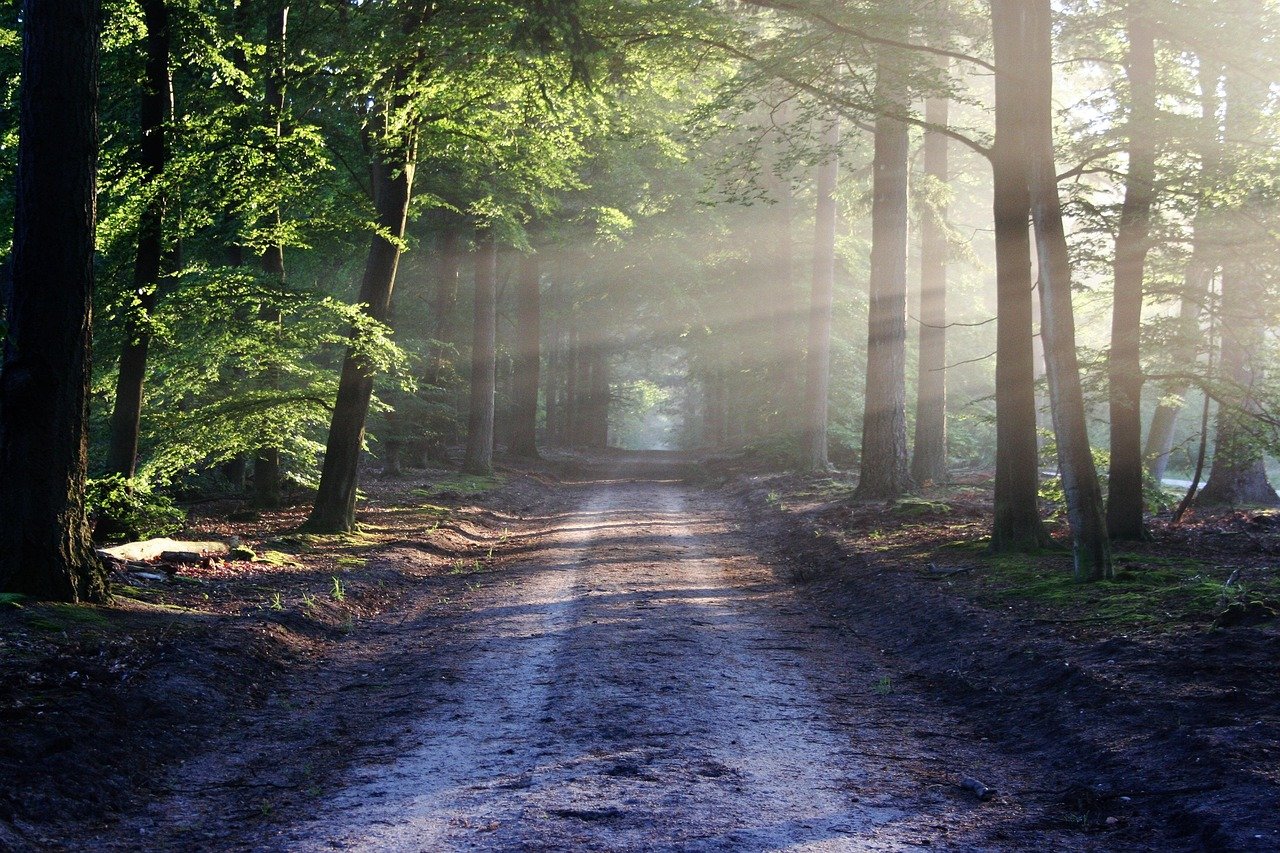
People have different meanings of life because each person’s sense of purpose is shaped by a unique mix of factors:
1. Personal experiences –
What someone has lived through—successes, struggles, losses, joys—changes what they value most. For example, someone who survived illness may find meaning in health or helping others heal, while another may find it in adventure.
2. Cultural background –
Our upbringing, traditions, and social norms influence our definitions of a “good” or “purposeful” life. In some cultures, meaning may be tied to family and community; in others, to individual achievement or spiritual growth.
3. Beliefs and worldview –
Religious, philosophical, or secular perspectives deeply affect the meaning people assign to life. A Buddhist, an existentialist, and a humanist might see the same events very differently.
4. Personality and temperament –
Some people are naturally curious, others more security-oriented; some are drawn to helping others, others to personal mastery. This changes the type of goals and values they feel give life purpose.
5. Changing circumstances over time –
Meaning is not fixed. A 20-year-old might see meaning in exploration and learning, but at 60, they may see it in mentoring, legacy, or inner peace.
In short:
Life’s meaning isn’t an objective, one-size-fits-all truth—it’s more like a story we each write using our own experiences, culture, values, and imagination. The diversity of meanings reflects the diversity of humans themselves.



















Responses (0)
Sign in to share your thoughts.
Sign in