
Mental Health

You’re Not Okay — And That’s Okay: 5 Mental Health Signs We Ignore

You’re Not Okay — And That’s Okay: 5 Mental Health Signs We Ignore
Let’s be honest. When was the last time someone asked, “How are you?” and you told them the truth?

Most of us don’t. We say “I’m fine.” “Just busy.” “Tired, but managing.” Then we go home, lie awake, and wonder why we feel so empty when life looks good on paper.

That gap between how we seem and how we feel is where mental health quietly breaks down. And the dangerous part? We rarely notice it happening.


1. You’re Exhausted, But Sleep Doesn’t Fix It


This isn’t normal tiredness. This is the kind that sticks around after weekends, after vacations, after eight hours of sleep that leave you more drained than before.

When your brain spends years holding onto stress, grief, or anxiety, it burns energy nonstop. That mental load becomes physical. People blame it on bad diet or no exercise. But sometimes your body is tired because your mind never gets a break.

The truth: You’re not lazy. Your brain is overworked and understaffed.


2. You Keep Yourself Busy On Purpose


Be honest about your calendar. Is there any real downtime in it? Or have you filled every hour so you don’t have to sit with your thoughts?

Being busy feels productive. It’s also the easiest way to avoid what’s going on inside. A packed schedule means no space for that quiet voice telling you something feels off. Studies show most working adults struggle with mental health each year. And the most common coping strategy? Just keep moving.

The truth: A full schedule isn’t always drive. Sometimes it’s fear of silence.


3. Nothing Really Feels Good Anymore


Do you remember when you used to get excited about certain things?Weekend plans, a new show, coffee with a friend. Now everything feels... flat. Not bad. Not great. Just neutral.

Psychologists call this anhedonia — the loss of pleasure in things you once enjoyed. We expect depression to look like sadness or crying. But feeling nothing at all is just as serious. And it’s much harder to spot.

The truth: Depression doesn’t always look like tears. Sometimes it looks like numbness.


4. Your Body Is Talking, But Doctors Say You’re Fine


Sudden and unexplained headaches. Persistent digestive problems. Persistent tension in the shoulders.You’ve seen doctors. The tests come back normal.

Here’s what no one tells you: emotional pain doesn’t stay in your head. It moves into your body. Stress talks to your stomach, your muscles, your immune system — they’re all listening. Chronic stress shows up as physical symptoms, even when you’re ignoring the mental ones.

The truth: If your body hurts without a medical reason, it’s not making it up. It’s asking for help.


5. You Can’t Remember Feeling “Light”


Not “coping.” Not “managing.” Actually light. Like laughing without pretense. When you rest without guilt. When an hour passes and your mind was just... present.

If you can’t remember the last time you felt that way, pay attention. Mental health isn’t about having zero problems. It’s about having enough space inside you to breathe. And right now, too many of us are running on empty.

The truth: You’ve been in survival mode so long that it started to feel like your personality.


6. Small Things That Actually Help


You don’t need to change your whole life. The things that work are smaller than you think:

1. Sleep on a schedule: Go to bed at the same time daily. Your brain heals at night.
2. Walk outside 20 minutes: Movement calms your nervous system. Sunlight helps too.
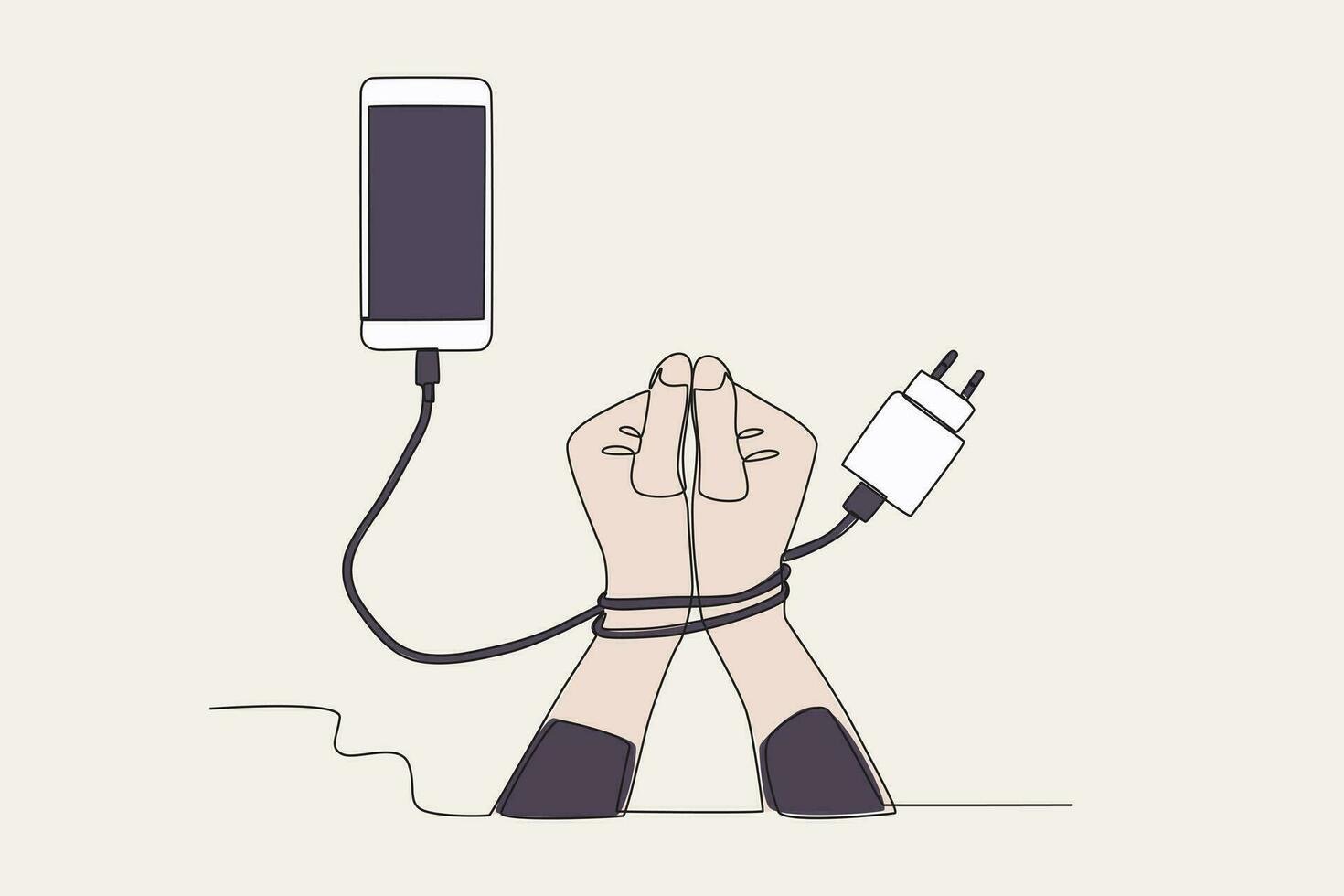
3. No screens before bed: Put your phone away 1 hour before sleeping. Just breathe.

4. Say one true thing: Tell one person how you really feel. Not “I’m fine.” Something real.


The Bottom Line


Mental health warning signs aren’t dramatic. That’s why we miss them. 

You don’t have to fall apart to deserve support. You don’t need to hit rock bottom to ask for help. 

Notice what your mind has been whispering. Then he took a small step towards that.


Frequently Asked Questions


Q: What are the silent signs of poor mental health?

A:Being busy to avoid thinking about your thoughts. Unexplained physical aches and pains. Forgetting what true happiness is.
A: Yes.Headaches, stomach problems, muscle tension — these are often your body holding stress your mind hasn’t processed.*

Q: Do I need to hit rock bottom before getting help?

A: No.The earlier you reach out, the easier recovery is. Don’t wait to break.

Q: Why don’t people notice their own warning signs?  

A: Because they feel normal. Tiredness, stress, and exhaustion—we call that "grown-up life." But when it lasts for months, it's a sign. 

Q: What can I do now?

A: Tell one person one true thing.Not “I’m fine.” Something honest. One real conversation can start your healing. 

Discussion (0)

Advertisement