We live in a world that celebrates possibility. We have more technology, more freedom, and more choices than any generation before us. But hidden beneath all this freedom is a simple truth that many people forget:
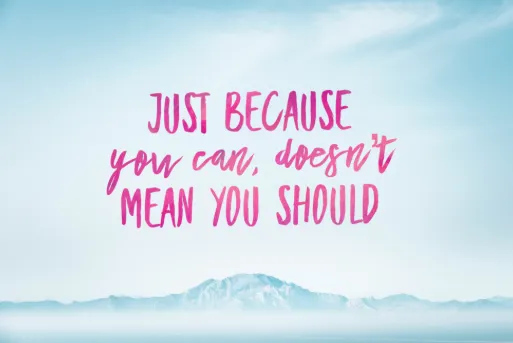
Just because you can doesn't mean you should.
It sounds like common sense, yet history shows that humanity often learns this lesson the hard way. Having the ability to do something is very different from having a good reason to do it.
The Difference Between Ability and Wisdom
Imagine you are holding a box of matches. You can light every match inside the box. But should you? Probably not. The ability exists, but wisdom tells you when it is appropriate to use it.
The same idea applies to everyday life.
You may be able to say something hurtful during an argument, but silence might protect a relationship.
You may be able to cheat on a test, but honesty builds character.
You may be able to spread a rumor online, but kindness prevents unnecessary pain.
Wisdom is not measured by what we are capable of doing. It is measured by the choices we make despite having those abilities.
The internet gives us a voice, but wisdom teaches us when to use it.
Artificial intelligence offers another example. AI can write essays, create artwork, and solve problems within seconds. These tools can help students learn, writers brainstorm ideas, and businesses become more productive. However, using AI to plagiarize assignments or spread fake information crosses an ethical line.
Technology itself is not good or bad. The people using it decide its impact.
Nature Follows Limits Too
Interestingly, even nature teaches restraint.
Predators rarely hunt more than they need. A lion does not kill every zebra in sight simply because it can. It hunts to survive, then rests. This balance helps ecosystems remain healthy.
Humans, however, sometimes ignore limits. Overfishing, excessive deforestation, and pollution have damaged ecosystems worldwide. We have the power to exploit nature, but that does not mean we should.
This lesson is not only for scientists, leaders, or inventors. It affects ordinary life every single day.
You can stay awake until three in the morning watching videos, but your body needs sleep.
You can eat junk food every day, but your health will eventually reflect those choices.
You can spend hours scrolling on your phone, but those hours could also be used to learn a skill, exercise, read a book, or spend time with family.
The Real Meaning of Freedom
Many people think freedom means having no limits.
In reality, freedom comes with responsibility.
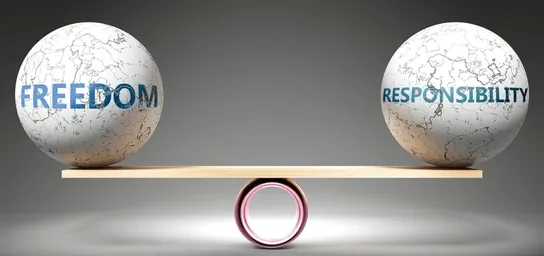
A driver has the freedom to speed, but traffic laws exist to protect lives. A scientist may have the knowledge to create powerful technologies, but ethical guidelines help ensure those discoveries benefit humanity rather than harm it.
The greatest achievements in history have often come not from unlimited power, but from responsible choices.
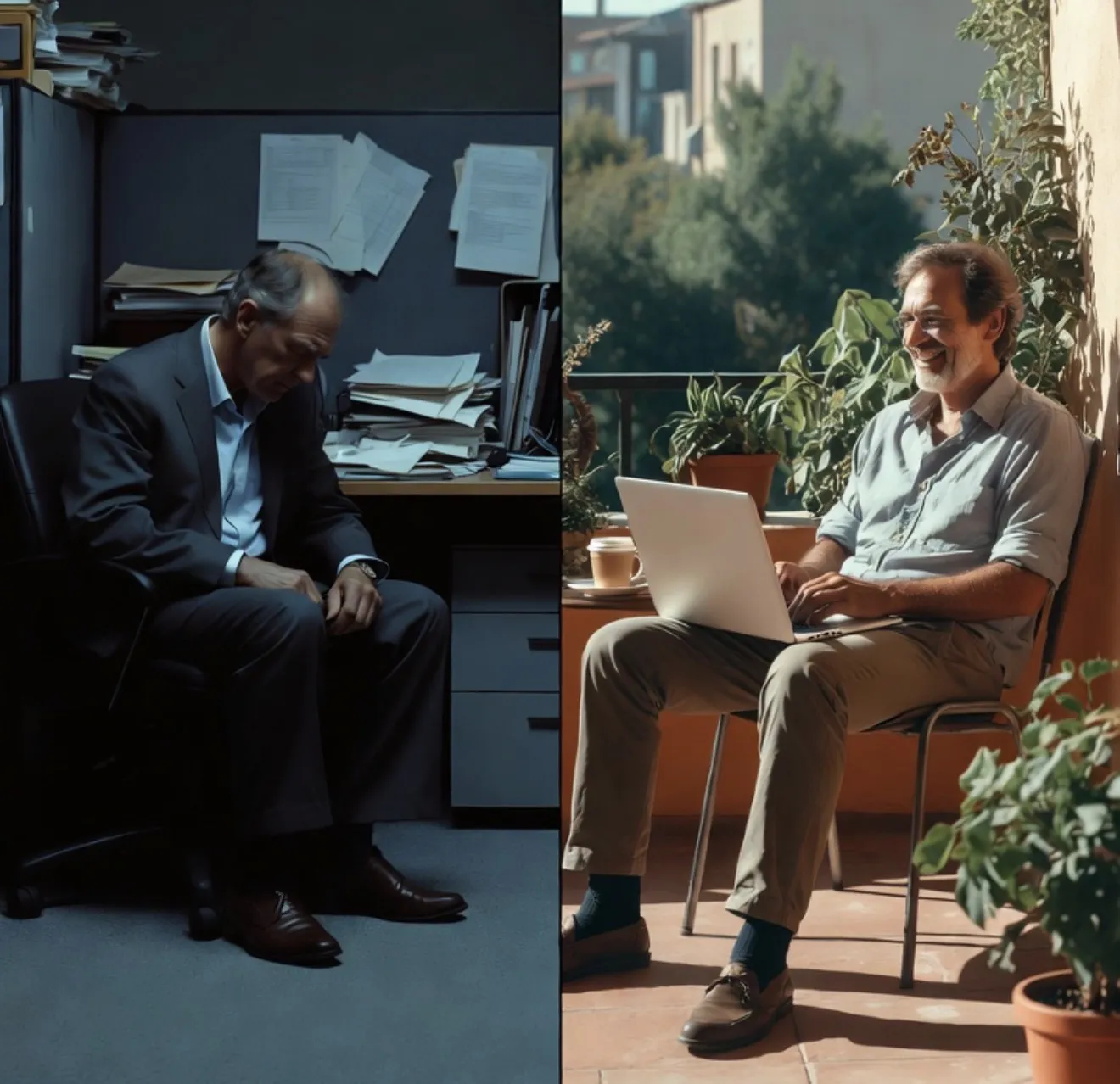
Be the best wherever you are
You don't have to be the smartest person in the room or the most powerful person in the world. Instead, strive to be the kindest classmate, the most honest employee, the most responsible citizen, or the most thoughtful friend.
Excellence isn't about having endless opportunities—it's about making the right choices with the opportunities you already have.
After all, true greatness is not measured by what you can do, but by what you choose to do.
The phrase "Just because you can doesn't mean you should" is more than a clever quote—it is a guide for modern life.
Every day, we are given opportunities to speak, act, post, spend, and decide.
Not every opportunity deserves to be taken.
Sometimes the wisest decision is choosing restraint over impulse, patience over pride, and responsibility over temptation.
Our character is not revealed by what we have the power to do. It is revealed by what we choose not to do.

















Responses (0)
Sign in to share your thoughts.
Sign in