
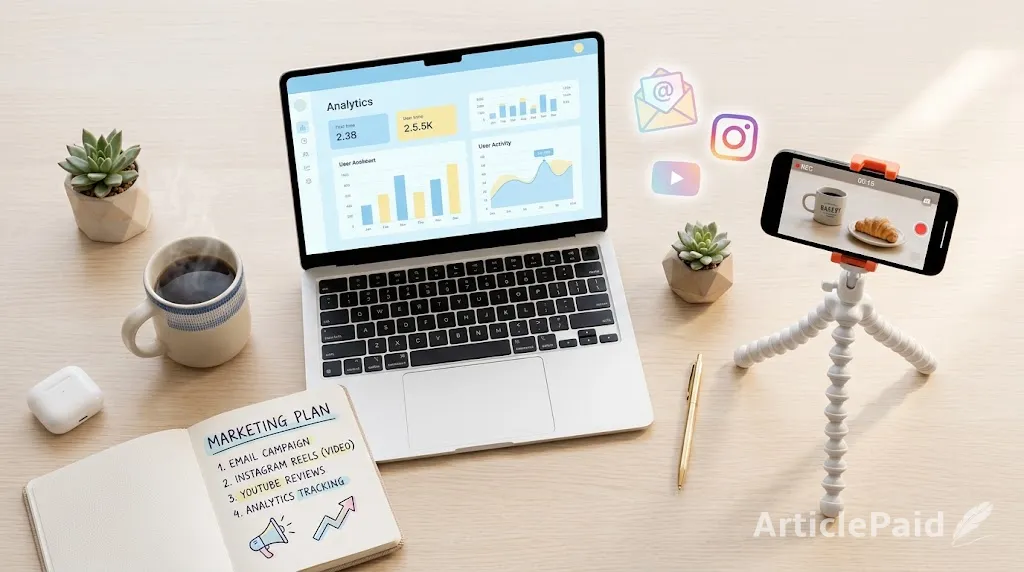
Running a small business means doing more with less. You have limited time, a tight budget, and plenty of competition. The good news is that digital marketing levels the playing field. With the right approach, even a one-person shop can reach customers who are actively searching for what you sell.
Here are ten digital marketing strategies for small businesses that deliver real results without draining your budget.
1. Build a Fast, Mobile-Friendly Website
Your website is your digital storefront, and most visitors will judge your business within seconds.
Why Mobile Matters
More than half of all web traffic comes from phones. If your site loads slowly or looks cramped on a small screen, visitors will leave, and Google will notice. Choose a responsive design, compress your images, and keep navigation simple.
Make Contact Easy
Put your phone number, address, and a clear call-to-action button on every key page. Do not make people hunt for ways to buy from you.
2. Invest in Local SEO
If you serve customers in a specific area, local search engine optimization (SEO) is one of the most affordable ways to get found.
Claim Your Google Business Profile
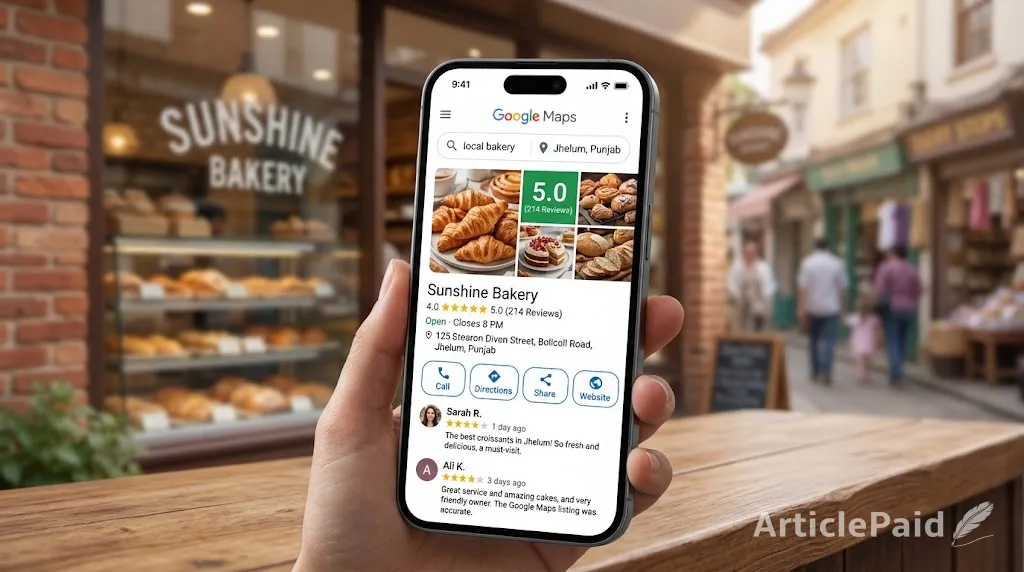
Set up and fully complete your Google Business Profile. Add accurate hours, photos, services, and your website link. Encourage happy customers to leave reviews, and reply to every one of them.
Use Local Keywords
Include your city or neighborhood naturally in page titles, headings, and content. A phrase like "affordable bakery in Jhelum" tells search engines exactly who you serve.
3. Create Helpful Content Through Blogging
Content marketing builds trust and brings in organic traffic over time.
Answer Real Customer Questions
Write about the problems your customers actually have. A plumber might publish "How to Fix a Leaking Tap" while a boutique could share "How to Style Winter Outfits." Each post is another chance to appear in search results.
Optimize Every Post
Use one main keyword per article, add it to your title, first paragraph, and a few subheadings, and include internal links to related pages on your site.
4. Use Social Media Strategically
You do not need to be on every platform. Pick the one or two where your customers spend time.
Match the Platform to Your Audience
Instagram and TikTok suit visual products like food, fashion, and crafts. Facebook works well for local communities, while LinkedIn is better for B2B services. Post consistently, share behind-the-scenes moments, and respond to comments quickly.
5. Build an Email List
Email marketing consistently delivers one of the highest returns on investment of any channel, and you own the list, unlike social media followers.
Offer a Reason to Subscribe
Give visitors a discount code, free guide, or exclusive update in exchange for their email. Then send useful, friendly newsletters rather than constant sales pitches. Once or twice a month is plenty to start.
6. Run Targeted Paid Ads
Paid advertising can bring quick results when used carefully.
Start Small and Test
Begin with a modest daily budget on Google Ads or Meta Ads. Target a specific location, age group, or interest. Test two versions of your ad, keep the winner, and drop the loser. Track every rupee or dollar so you know what is working.
7. Collect and Showcase Customer Reviews
People trust other customers more than they trust your marketing.
Make Asking Part of Your Routine
Send a short follow-up message after each sale asking for feedback and a review. Feature your best testimonials on your website and social pages. Positive reviews improve both your reputation and your local search rankings.
8. Use Video Marketing
Short videos are among the most engaging content formats today.
Keep It Simple
You do not need expensive equipment. A smartphone is enough to film product demos, customer stories, quick tips, or a tour of your workspace. Add captions, since many people watch without sound, and share clips on YouTube Shorts, Instagram Reels, and TikTok.
9. Partner With Local Influencers and Businesses
Collaboration expands your reach without a huge spend.
Think Micro, Not Mega
Micro-influencers with a few thousand loyal followers often have stronger engagement and charge far less than celebrities. You can also team up with complementary local businesses, such as a florist partnering with a wedding planner, to cross-promote each other.
10. Track Your Results and Adjust
Marketing without measurement is guesswork.
Focus on Key Metrics
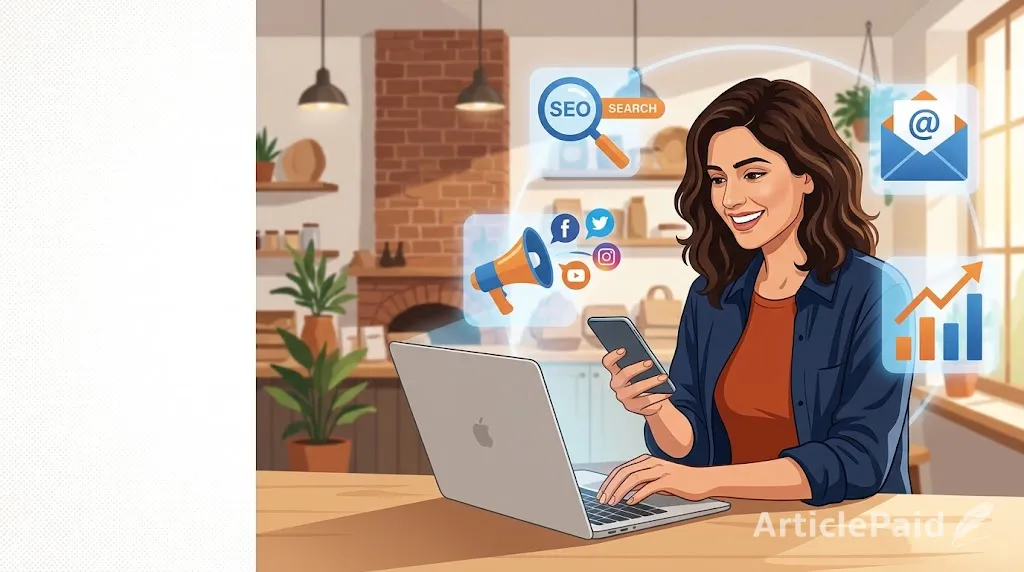
Use free tools like Google Analytics and Google Search Console to monitor website traffic, top pages, conversion rates, and search rankings. Review your numbers monthly. Do more of what works, and stop spending time on what does not.
Final Thoughts
Digital marketing for small businesses does not require a massive budget or a large team. It requires consistency, a clear understanding of your customers, and a willingness to test and improve. Start with two or three strategies from this list, such as local SEO, a Google Business Profile, and social media, then expand as you see results.
The businesses that win online are not always the biggest ones. They are the ones that show up, offer real value, and keep improving. Pick one strategy today and take the first step.























Responses (0)
Sign in to share your thoughts.
Sign in