Nutrition

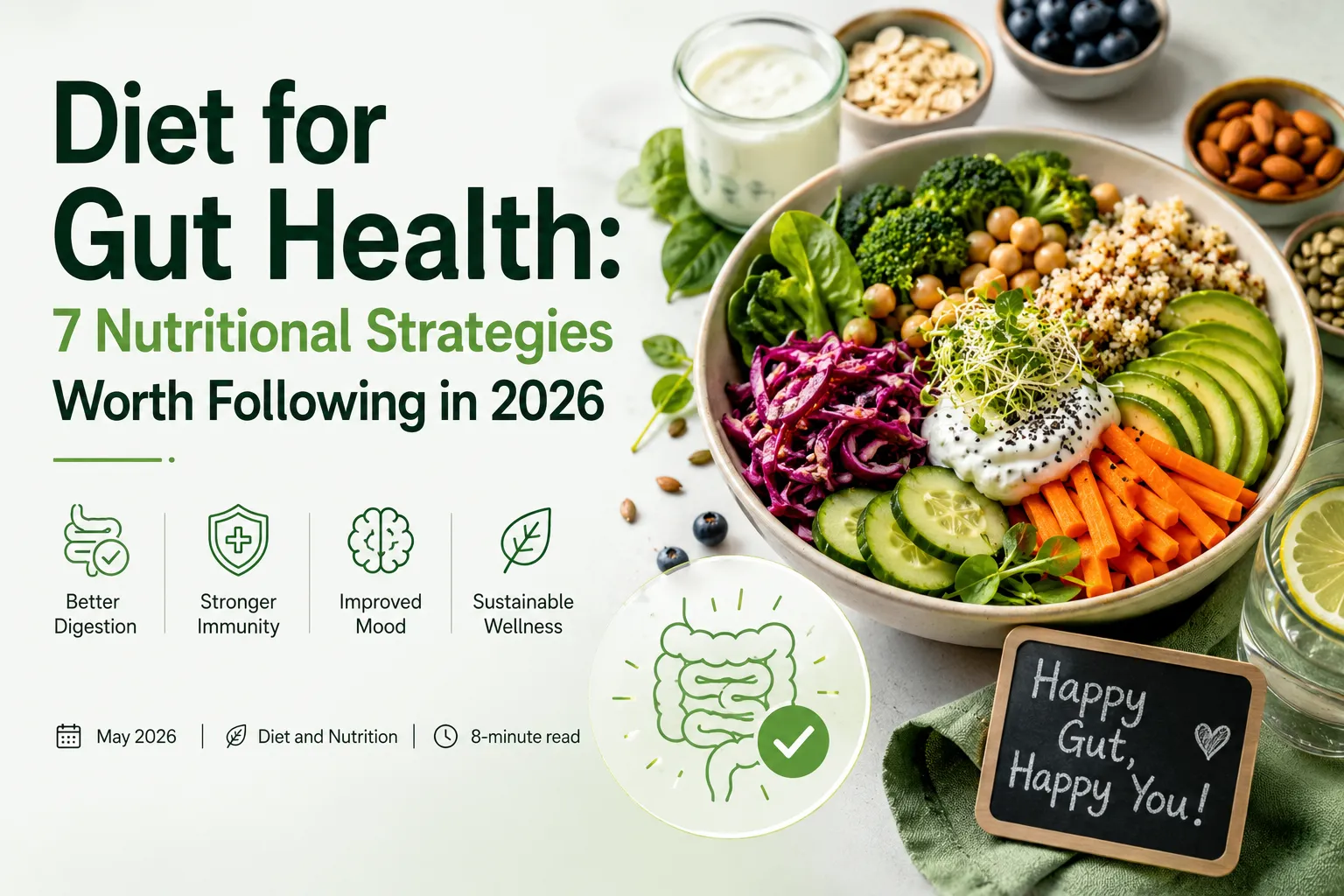
A Diet for Gut Health: 7 Nutritional Strategies Worth Following in 2026

A Diet for Gut Health: 7 Nutritional Strategies Worth Following in 2026
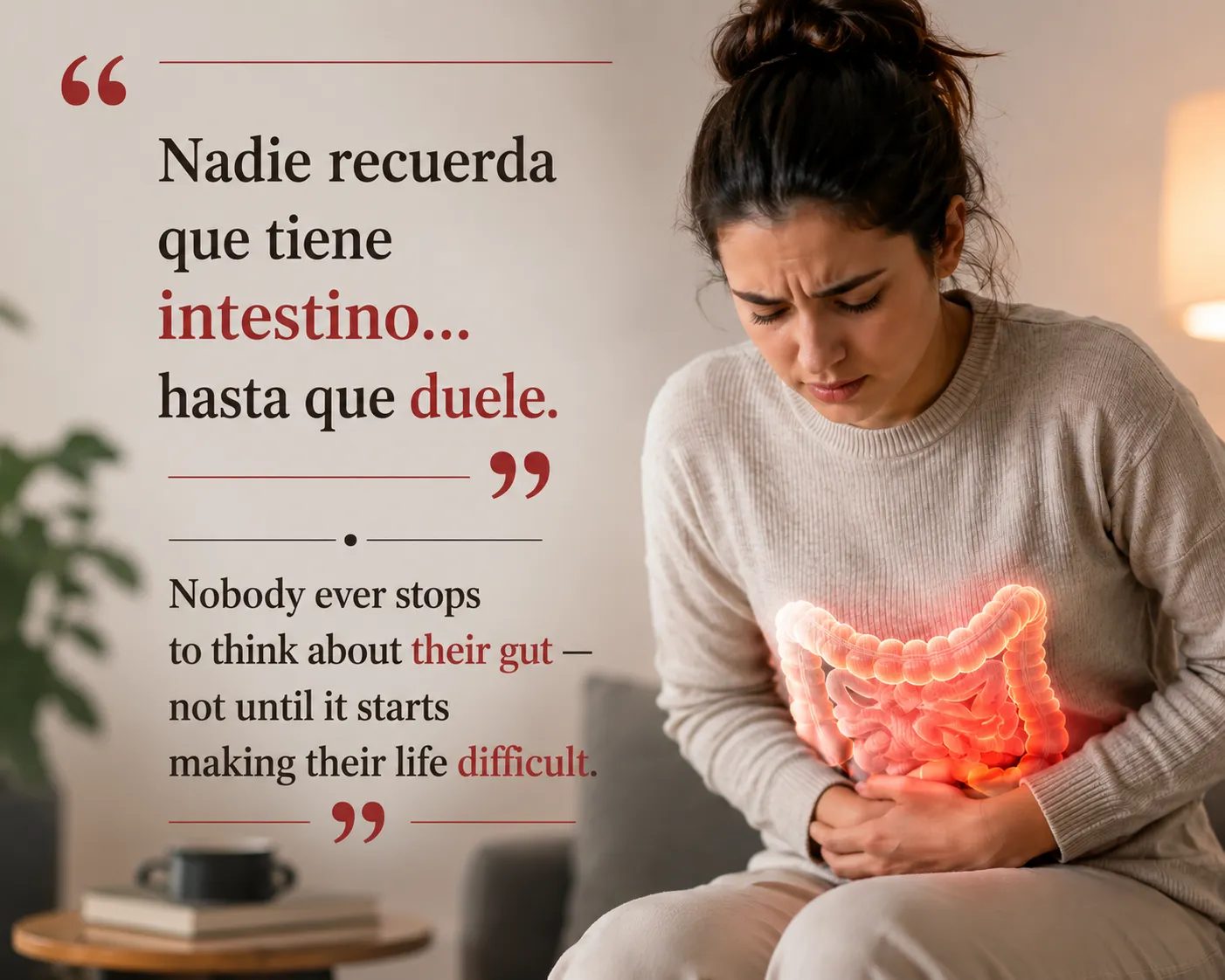
Nadie piensa en su intestino hasta que empieza a dar problemas.
a-diet-for-gut-health-7-nutritional-strategies-worth-following-in-2026

(Nobody thinks about their gut until it starts causing problems.)One week of unexplained fatigue, constant bloating after meals, or a mood that just won't lift — and suddenly everyone becomes a gut health expert overnight. But here's the thing: waiting for problems to appear is already too late.

Your digestive system is doing serious work behind the scenes, every single hour of the day. The sooner you start supporting it, the better everything else works.

These are seven nutrition approaches that are worth your time in 2026 — no gimmicks, no overpriced products.


1. The Gut Controls More Than You Think


Somewhere between 70 and 80 percent of your immune system lives inside your digestive tract. That single fact changes how you should think about what you eat.

Your gut is home to trillions of bacteria — the microbiome. Some of those bacteria break down food. Others fight off infections. Some produce chemicals that directly affect how your brain works. Serotonin, the mood regulator, is largely manufactured in the gut. So is dopamine.

When the microbiome is out of balance, the effects show up everywhere — poor digestion, brain fog, low immunity, irregular sleep, even anxiety. A gut health diet isn't about following a trend. It's about keeping this internal system running properly.


2. Fiber Is the Simplest Fix Most People Skip


Walk into any gym and people are debating protein intake. Nobody is talking about fiber — even though fiber does things for your gut that protein simply cannot.

Here's a number worth sitting with: only 7% of American adults get enough fiber daily. That means 93 out of every 100 people are chronically under-feeding their gut bacteria.

Lentils, black beans, chia seeds, oats, avocado, broccoli — these aren't superfoods with ridiculous price tags. They're ordinary ingredients that happen to be genuinely powerful for digestive health.

The one rule is patience. If your current diet is low in fiber, don't triple your intake overnight. Your stomach will react badly. Add one new high-fiber item to your meals each week. 


3. Stop Eating So Late

a-diet-for-gut-health-7-nutritional-strategies-worth-following-in-2026

This one is harder to accept because late-night eating is deeply habitual for most people. But your metabolism doesn't stay constant throughout the day — it follows a rhythm.

Morning metabolism is sharp. Evening metabolism is sluggish. Eating a heavy dinner at 9 PM and heading to bed two hours later forces your body to process food during its slowest period. Studies have compared people eating identical calorie amounts at different times of day. The earlier eaters had better blood sugar readings and less weight gain over time.

Making lunch the biggest meal of the day, eating a lighter dinner, and finishing food at least three hours before sleeping — these adjustments alone produce noticeable changes for many people within a few weeks.


4. Food Absorbs Better Than Capsules


The supplement industry is enormous, and some products do serve a real purpose. But in 2026, more health professionals began to ask themselves a simpler question: can the patient get this nutrient from food?

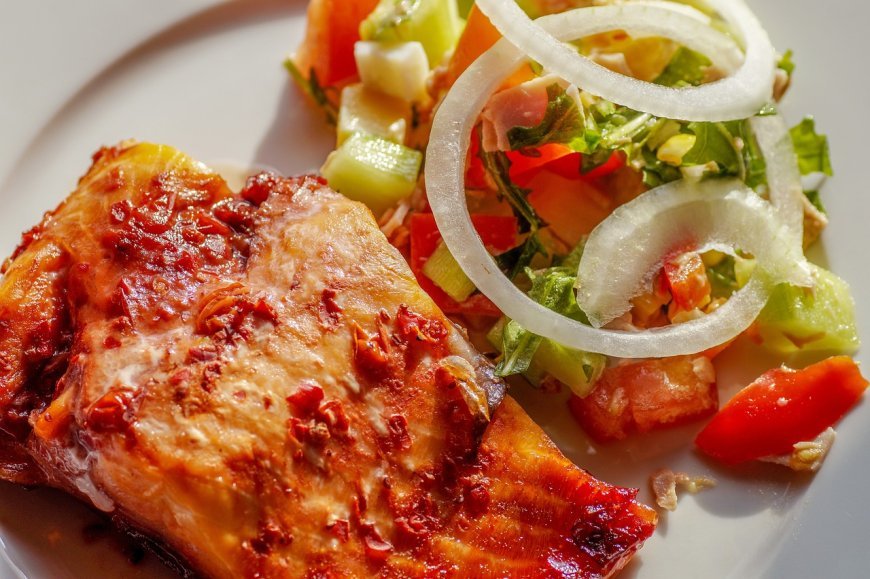
Your gut absorbs nutrients differently depending on the source. Omega-3s from salmon are processed more efficiently than those from a standard fish oil pill. The probiotics in a spoonful of kefir or kimchi survive the digestive journey better than many capsule formulations. Magnesium from dark leafy greens comes packaged with other compounds that help your body actually use it.

Whole food first is the general rule. Supplements fill gaps when food can't cover them — not the other way around.


5. The Mediterranean Approach Still Leads


Eight years at the top of expert nutrition rankings. This type of resilience is significant.

The Mediterranean diet works because it doesn't feel like a diet. Olive oil, fish, vegetables, legumes, whole grains, nuts — these are foods that people actually enjoy eating long term. No calorie tracking, no elimination phases, no complicated meal timing protocols.

The health data behind it covers heart disease risk reduction, slower cognitive decline, steadier blood sugar, and sustainable weight maintenance. It's not exciting. It just works.


6. Checking Labels Is Now Normal


Three years ago, reading every ingredient on a food package seemed obsessive. In 2026, it's becoming standard practice — and for good reason.

Clean eating has grown faster than almost any other nutrition movement this year. The idea is basic: buy food with short ingredient lists made from things you recognize. Avoid hydrogenated oils, high-fructose corn syrup, and artificial additives. I usually cook at home most of the time.

Small purchasing decisions made at the grocery store shape what your body gets day after day. The amount accumulates faster than most people expect. Ok


7. Your Diet Should Match Your Biology


Blanket nutrition advice only takes you so far. Two people can eat the same meal and have completely different blood sugar responses, energy levels, and digestive reactions.

In 2026, continuous glucose monitoring devices, microbiome testing, and basic genetic panels will help people understand their biology more accurately.. Instead of following a plan designed for the average person, individuals can see exactly which foods work well for their specific body — and which ones don't.


Where to Begin


Pick one thing from this list. Just one. Add lentils to tonight's dinner. Move tomorrow's lunch earlier. Read the label on something you buy every week.

Gut health doesn't improve through dramatic changes. It improves through small, repeated decisions made over time.

Start somewhere. Stay consistent. Your body will respond.


Disclaimer: This content is for informational purposes only.Speak with a registered dietitian before changing your diet significantly.

Discussion (0)

Advertisement