

Inside your liver right now sits a stockpile of Vitamin B12 that can last years. Not a few weeks. Years. Your body has been saving it since childhood, and you’d never know it was there until the supply runs dry and things start breaking down.
Why B12 Is Non-Negotiable
B12 runs your system behind the scenes. Red blood cells, nerve signals, mental clarity, steady energy. All of it leans on B12, and you only notice when it’s missing.
When B12 falls too low, your red blood cells come out oversized and useless. They can’t carry oxygen well. The result isn’t regular tiredness. It’s exhaustion that sleep won’t fix.
Then nerves misfire. Pins and needles in your hands. Numb feet. A weird buzzing doctors often chase for months before someone tests B12. Leave it too long and some of that nerve damage stays. That’s the part no one mentions upfront.
Your brain fogs up too. Focus slips. Memory blurs. In older adults, B12 deficiency sometimes looks like early dementia, when the real answer was a simple blood test away.
You get B12 almost entirely from animal sources: meat, fish, eggs, dairy. If those aren’t on your plate often, you need a supplement. No middle ground.
The Liver: Your B12 Vault
Eat salmon or eggs and your stomach frees the B12, then binds it to a helper protein called intrinsic factor. That pair moves to your small intestine, gets absorbed, and heads straight to the liver.
Your liver doesn’t use it all at once. It stores it. Guards it. Treats it like an emergency fund you didn’t know you had.
A healthy liver holds 2,000 to 5,000 micrograms of B12. You need roughly 2.4 micrograms a day. Do the math: that’s 3 to 5 years of backup without another bite of B12 food.
The liver also recycles it. B12 that ends up in bile gets pulled back, reabsorbed, and stored again. It’s one of your body’s smartest closed loops. You never feel it happening.
When the Vault Fails

Damage the liver and the system cracks. Alcohol, hepatitis, fatty liver disease. All of them cut storage space and mess with B12 handling. You can eat well and still slide into deficiency because the vault can’t hold what it used to.
Odd twist: acute liver injury can spike B12 in your blood. Not because you’re overflowing with B12, but because dying liver cells dump their stash into your bloodstream. High B12 on a test with no supplements? That’s a red flag. Check the liver.
Alcohol hits three ways: it scars the liver, kills the stomach cells that make intrinsic factor, and damages the gut lining that absorbs B12. You burn through reserves while blocking new supply.
Signs You Miss Until It’s Late
That’s the problem. You often don’t feel it early.
Because of those massive stores, B12 deficiency moves slow. By the time you’re sure something’s wrong, you’ve probably been low for a year or two.
Look for fatigue that makes no sense. Tingling hands, numb feet. Brain fog. Mood swings. Pale skin. If you’re vegan, over 50, on metformin, or have gut issues like Crohn’s or celiac, test your B12. Don’t wait for it to scream.
Standard B12 blood work helps, but ask for methylmalonic acid (MMA) too. It shows whether your cells are actually using the B12 they get.
What to Do Today
Eat for B12. Beef liver tops the list. One small portion covers over 10 days. Not your thing? Sardines, clams, salmon, eggs, and dairy work. Consistency beats one big meal.
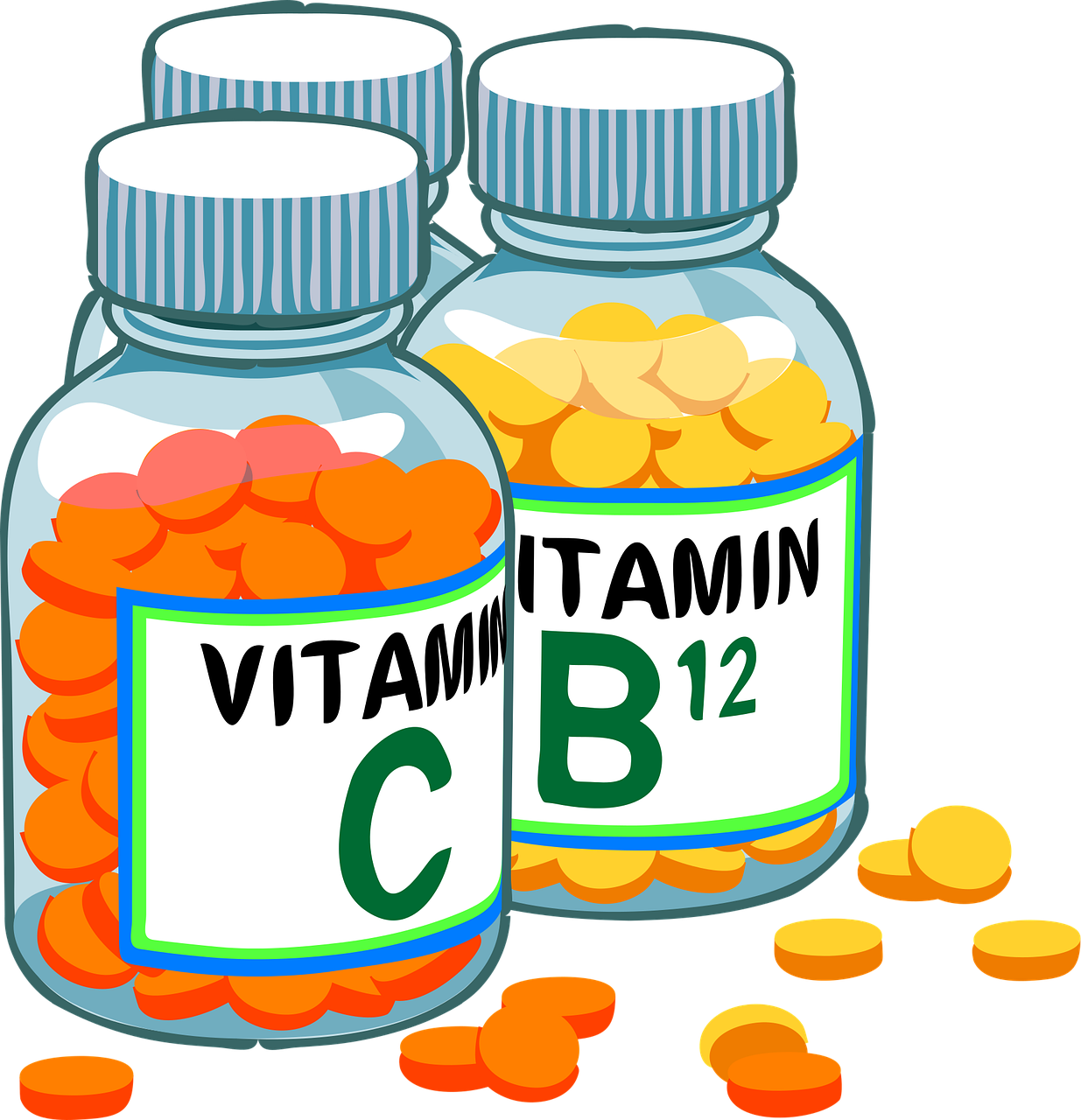
Vegan or vegetarian? You won’t get enough B12 without help. A daily methylcobalamin supplement isn’t extra credit. It’s baseline.
Gut issues or long-term metformin? Talk to your doctor about B12 shots. They skip digestion and go straight to your blood. No absorption games.
Drink less. Alcohol chips away at both your liver and your B12 system. You don’t need zero. Just less.
Get tested. Ask for ALT, AST, serum B12, and MMA. Five minutes in a lab can save you years of slow decline.
The Bottom Line
Your liver never sends a bill. It stores, recycles, and releases B12 exactly when you need it.
But it isn’t unbreakable. Poor diet, alcohol, and disease push it past its limit. When that happens, your blood, nerves, and mind all pay.
Feed it well. Check it often. Don’t mistake silence for strength. The liver keeps a record of everything. Make sure it’s storing something worth saving.
Disclaimer
This article is for general information only and is not a substitute for medical advice. If you have any health concerns, consult one qualified physician._


















Responses (0)
Sign in to share your thoughts.
Sign in