
Introduction
The ability to detect disease at an early stage is one of the critical objectives in medicine today. Artificial intelligence (AI) and machine learning (ML) have become promising tools in medical imaging, enabling the analysis of medical scans and images to improve the early diagnosis of diseases. The article discusses how AI applications in medical imaging and patient data analysis can improve healthcare outcomes by helping clinicians identify disease at earlier stages when it is easier to treat.
Detection of Diseases Using Medical Imaging
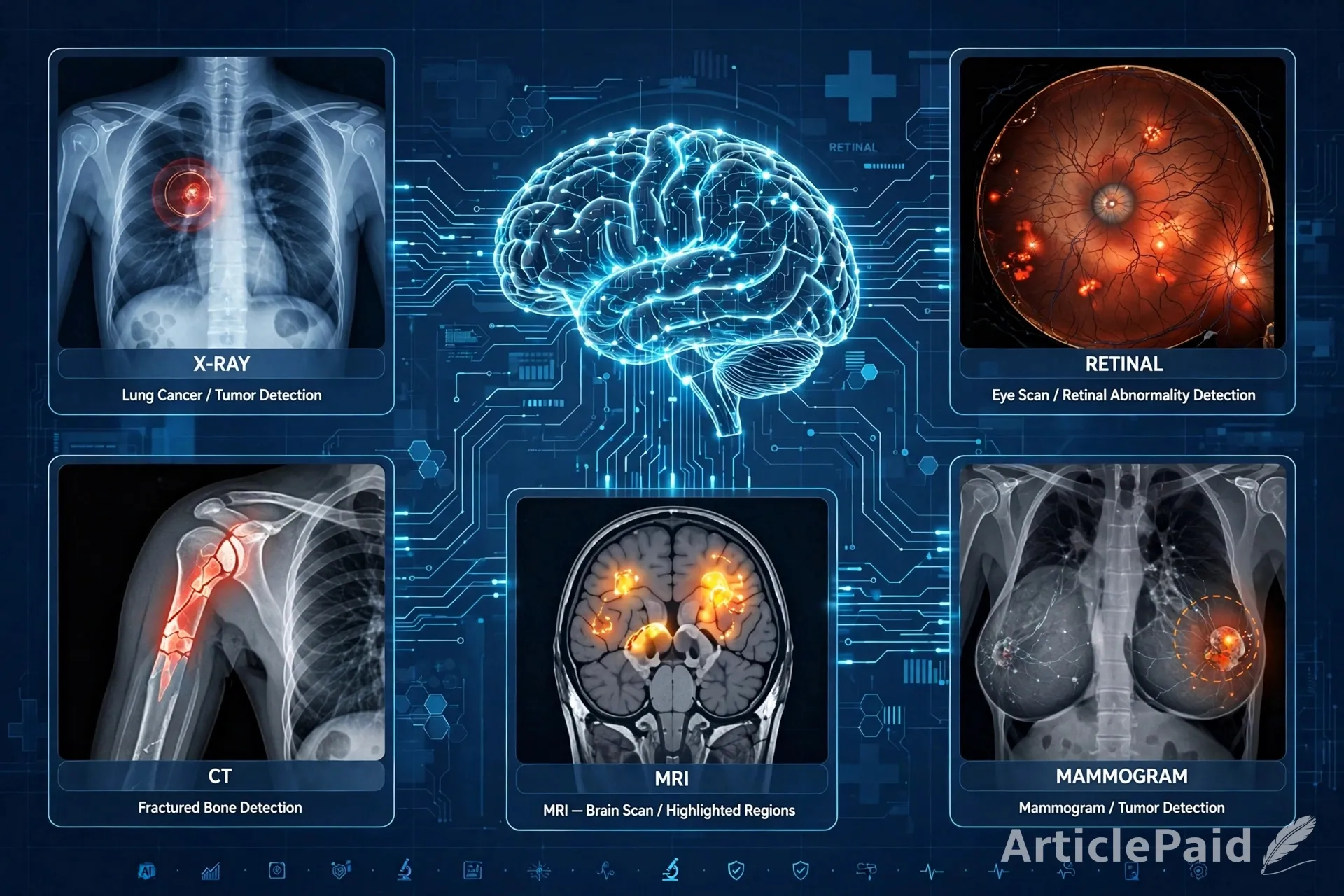
AI and ML technologies can analyze medical images and detect certain patterns that may indicate a health problem. For instance, algorithms can read X-rays, CT scans, MRIs, mammograms, eye scans, and other imaging tests to identify signs of tumors, lung cancer, fractured bones, and other irregularities. Algorithms can help in the early detection and screening of diseases such as eye disorders, tumors, and lung cancer. Additionally, AI can highlight regions in a brain scan that may be worth a closer inspection, thus supporting clinicians in making more accurate and timely decisions.
Analysis of Patient Data
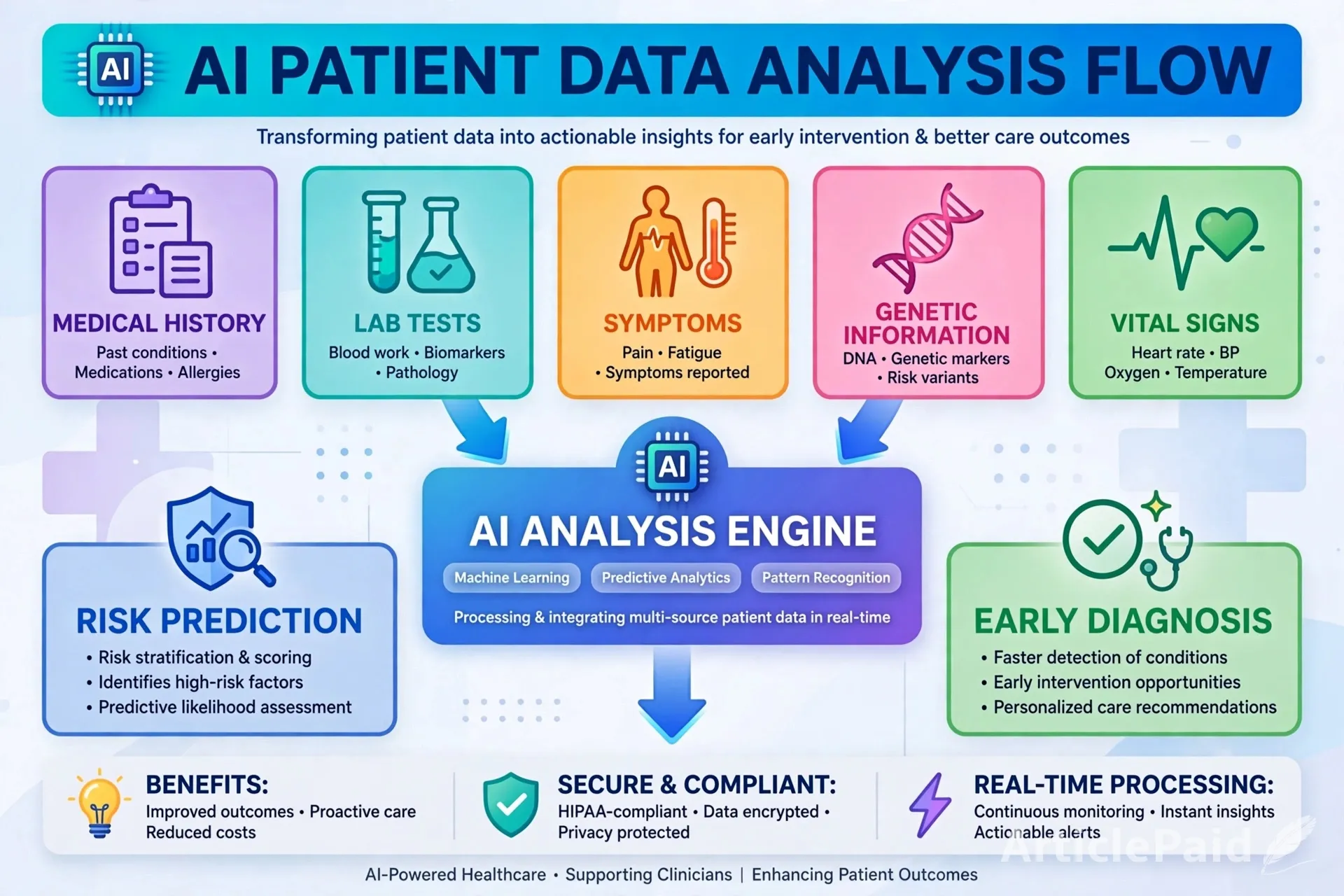
The application of AI in medical imaging coupled with patient data analysis has the potential to transform healthcare and contribute to early diagnosis and treatment of diseases. Algorithms can sift through patients’ medical histories, lab tests, symptoms, genetic information, and vital signs to identify patterns specific to a given illness. The data can then be used to predict a patient’s risk of developing certain conditions and help clinicians make more accurate diagnoses.
Conclusion
In conclusion, AI-driven solutions in medical imaging and patient data analysis hold promise for improving healthcare by enabling clinicians to detect health disorders at early stages when they are relatively simple to treat. The data from medical scans and patient records can support clinicians in making timely and evidence-based diagnostic and treatment decisions, leading to positive patient outcomes. However, the success of these technologies in disease detection depends on factors such as the amount and quality of data used to train the algorithms.






















Responses (1)
Sign in to share your thoughts.
Sign in