Are Skinwalkers Real? The Simple Truth About the Navajo Legend

Are Skinwalkers Real? The Simple Truth About the Navajo Legend
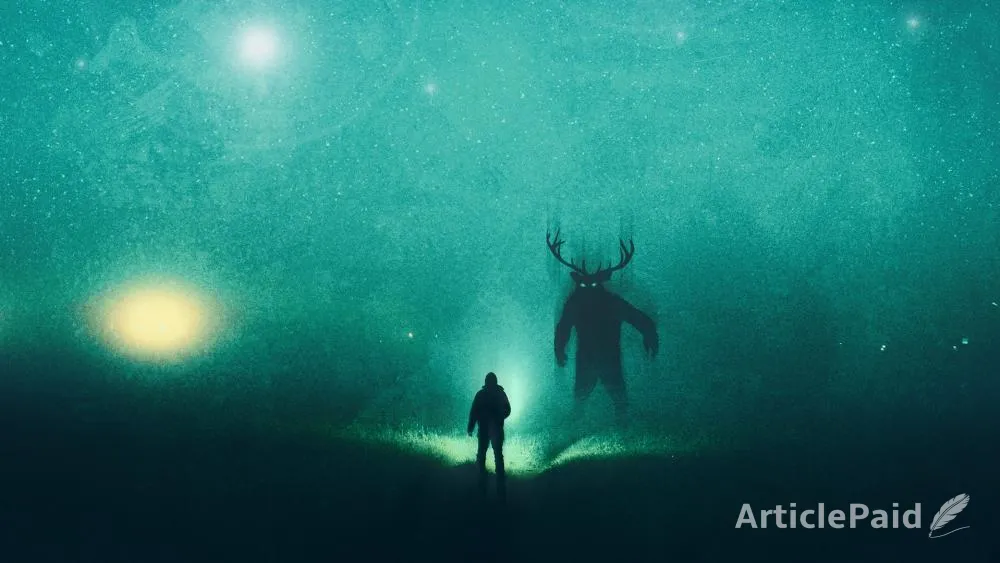
I keep hearing about skinwalkers. People talk about them online. They tell scary stories. They ask if skinwalkers are real. So I want to think about this in a simple way. What is a skinwalker? Where does the story come from? And is any of it true?
First, the basic idea. In Navajo stories, a skinwalker is a person who can change into an animal. They wear the skin of a coyote, wolf, or other animal. Then they walk like that animal. They move fast. They cause trouble. People say skinwalkers do bad things. They hurt others. They use dark power. The Navajo name is yee naaldlooshii. It means something like “with it, he goes on all fours.”
This is not a happy story. In Navajo culture, talking about skinwalkers is serious. Many Navajo people do not like to speak about them. They say it is dangerous or disrespectful. The stories belong to their people. Outsiders often treat the stories like a horror movie. That can feel wrong to the people who grew up with the beliefs.
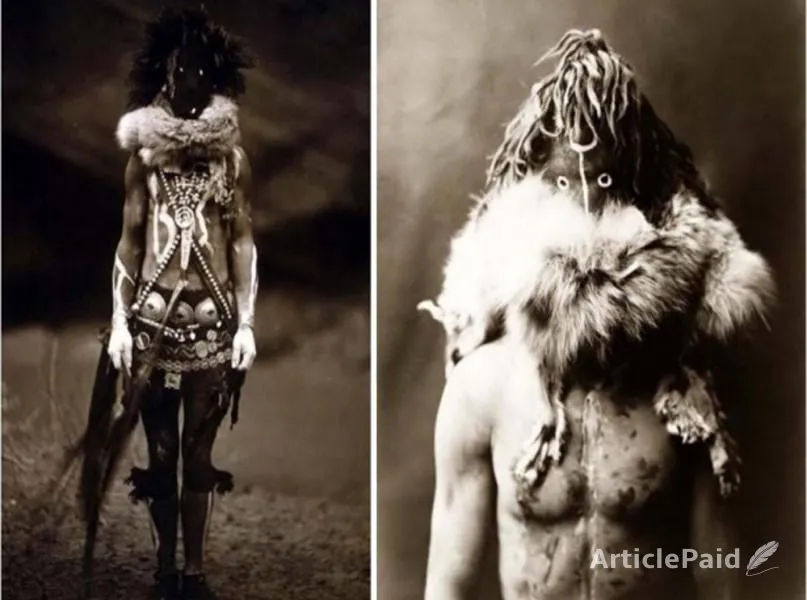
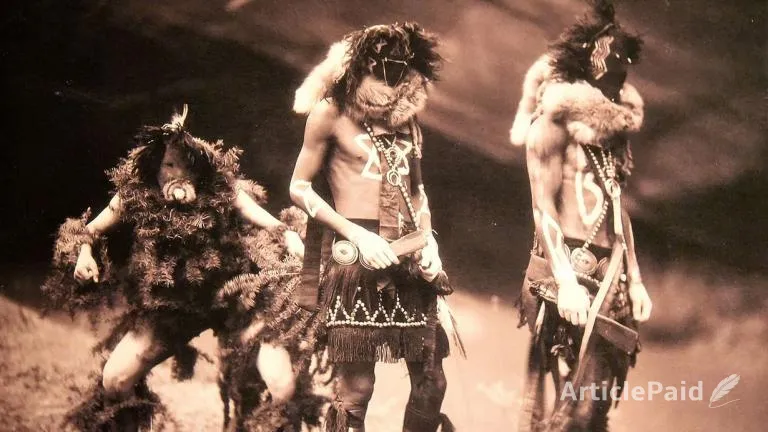
The legend says a person becomes a skinwalker by learning bad medicine. They break important rules. They harm family or community. Then they gain the power to change shape. They can run very fast. They can copy voices. They can make people sick with fear. Some old stories say they dig up graves or use animal parts. These details make the stories feel dark and heavy.
Now the big question: Are skinwalkers real?
Here is the simple truth. There is no scientific proof. No one has shown a real skinwalker in a lab or with clear photos that experts accept. Police and scientists do not have cases that prove people turn into animals. Most reports come from personal stories, night-time sightings, or old oral tales. People hear strange sounds. They see eyes in the dark. They feel watched. Fear can make the mind create shapes. Shadows look like animals. Coyotes and dogs live in the same areas. A person in a costume or a drunk person walking at night can start a story.
At the same time, the belief is real for many people. Culture shapes what we feel is possible. For generations, Navajo families passed down warnings. Children learned to stay away from certain places at night. They learned not to look at strange animals too long. Belief can protect a community. It can teach people to respect rules and stay close to family. In that way, the legend has power even if the shape-shifting itself is not proven.
Modern times make the stories louder. Movies, TV shows, and internet videos mix Navajo ideas with other horror. People share “true” encounters. Some claim they saw a tall figure with animal features. Others say their car was chased. These stories spread fast. But many of them come from people who are not Navajo and who do not know the full culture. The original meaning gets lost. What was a serious warning becomes entertainment.
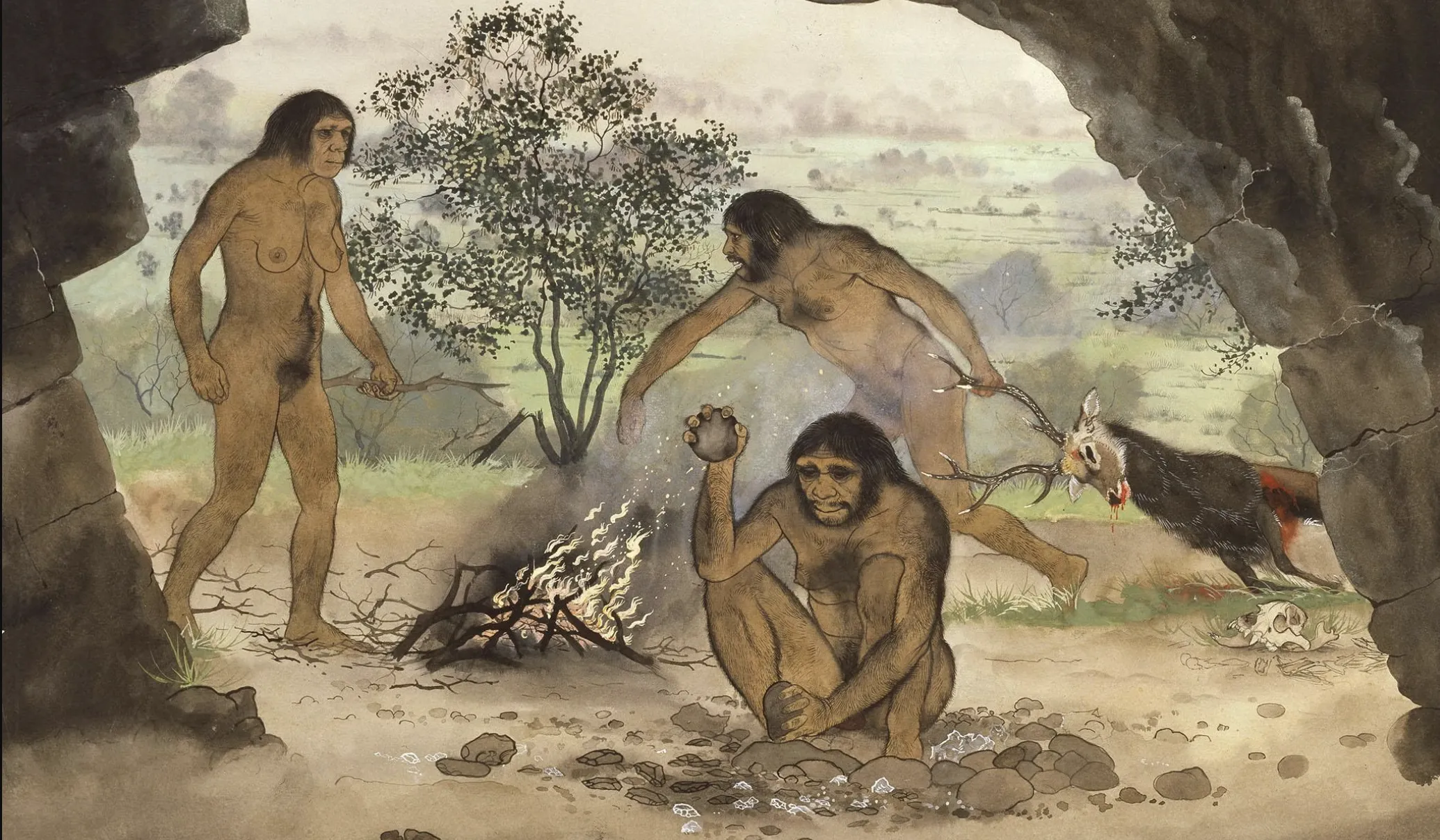
I think about it this way. Humans have always told stories about people who break the rules and gain strange power. Almost every culture has witches, shapeshifters, or night spirits. The details change with the land and the animals. In the Southwest, coyotes and wolves fit the story. The human mind loves mystery. It fills quiet nights with danger. That does not mean every story is false. It means we must be careful.
Respect matters most. If you are not Navajo, it is better not to treat skinwalkers as a game or a costume. Do not go looking for them on tribal land. Do not demand stories from people who do not want to share. The Navajo have their own ways of understanding the world. Outsiders can listen and learn without taking over the tale.
So, are skinwalkers real? In the sense of a physical creature that turns from human to animal and back, the evidence is not there. In the sense of a living cultural belief that shapes fear, caution, and community rules, yes—the idea is very real. The simple truth sits in the middle. The legend is old. The fear is strong. The proof of magic transformation is missing. What remains is a powerful story that still lives in the minds of people who grew up with it.
I do not claim to know every secret. I only try to look at the facts we have and the respect we should show. Night will always hold mystery. Stories will always travel. But the smartest thing is to stay kind, stay curious, and leave sacred things in the hands of the people who carry them.










Responses (2)