

When people think of healing a broken heart, they often imagine emotional pain after loss or heartbreak. But in medical terms, a “broken heart” refers to cardiovascular disease, heart failure, or stress-induced heart problems.Recent clinical guidelines now confirm that exercise is one of the most effective medicines for recovery and long-term heart health.
Why Is Exercise Considered Medicine for the Heart?
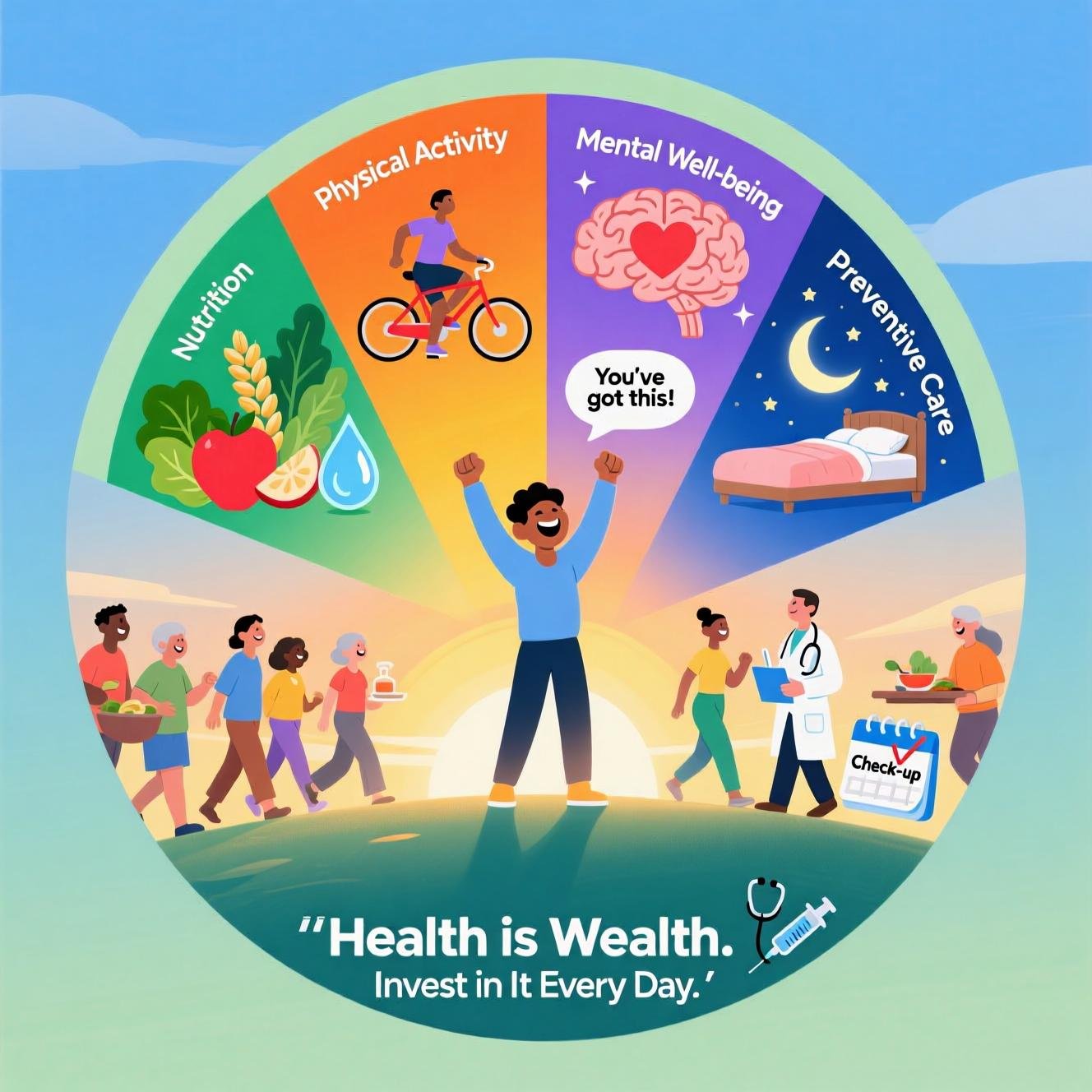
Unlike traditional drugs, exercise strengthens the body naturally. According to the American Heart Association, regular physical activity lowers blood pressure, improves circulation, and reduces cholesterol. Exercise also helps regulate blood sugar, supports weight management, and lowers the risk of recurring heart complications. These combined effects make exercise a powerful, side-effect-free therapy for patients with heart conditions.
What Does the First Clinical Guide Say?
A landmark clinical guide published in the European Heart Journal* (2024) highlights that exercise should be prescribed just like medication for heart patients.
The guide recommends structured physical activity such as:
Aerobic exercises (walking, cycling, swimming) at least 150 minutes weekly.
Strength training two to three times per week to build endurance and protect muscles.
Training for flexibility and balance helps lower the chances of falling and enhances movement abilities.
This prescription-style approach ensures that patients receive the right “dose” of exercise tailored to their condition, age, and health status.
How Does Exercise Heal a Broken Heart Physically and Emotionally?

1. Physical Healing: Exercise strengthens the heart muscle, improves oxygen flow, and reduces the workload on the heart. Studies show that patients who follow exercise routines after heart surgery or an attack recover faster than those who remain inactive.
2. Emotional Healing: A broken heart often carries psychological stress. Working out produces endorphins and serotonin, helping to lessen feelings of anxiety and depression.. It also helps patients regain confidence in their body, easing the fear of relapse.
Can Exercise Replace Medication?
No. Exercise is not a replacement but a complement to medical treatment.Doctors emphasize that lifestyle modifications, including exercise, diet, and stress management, are equally important as medications in treating heart disease. In fact, combining prescribed medicine with physical activity provides the highest survival and recovery rates.
Practical Tips for Heart Patients
Start slow with 10–15 minutes of walking daily.
Always consult a doctor before beginning an exercise plan.
Utilize fitness wearables to keep track of your heart rate and improvements.
Participate in a heart recovery program for supervised and secure exercise sessions..
Conclusion
The first clinical guide makes one fact clear: exercise is not just movement, it is medicine for a broken heart. Whether recovering from heart failure, surgery, or stress-induced damage, physical activity strengthens the body, lifts the mind, and prevents future complications. Healing truly begins when medicine and movement work together.
References
American Heart Association. (2023). Physical Activity and Your Heart.
European Heart Journal. (2024). Clinical Guide on Exercise and Heart Disease.
Harvard Health Publishing. (2022). The Role of Exercise in Cardiac Rehabilitation.
FAQ
Q1: How soon after a heart attack can I start exercising?
Most patients can begin light walking within days under medical supervision, but always follow your doctor’s advice.
Q2: What type of exercise is safest for heart patients?
Low-impact aerobic activities like walking, swimming, or cycling are safest and most effective.
Q3: Does exercising reduce the risk of having another heart attack?
Yes. Research shows regular physical activity reduces the risk of repeat heart attacks by up to 30%.
Q4: How much exercise do I need per week for heart health?
At least 150 minutes of moderate aerobic activity plus two strength sessions weekly.
Q5: Is it safe for older adults with heart disease to exercise?
Yes, when guided by healthcare professionals. Gentle, supervised
activity improves both heart function and independence.





















Responses (0)
Sign in to share your thoughts.
Sign in