
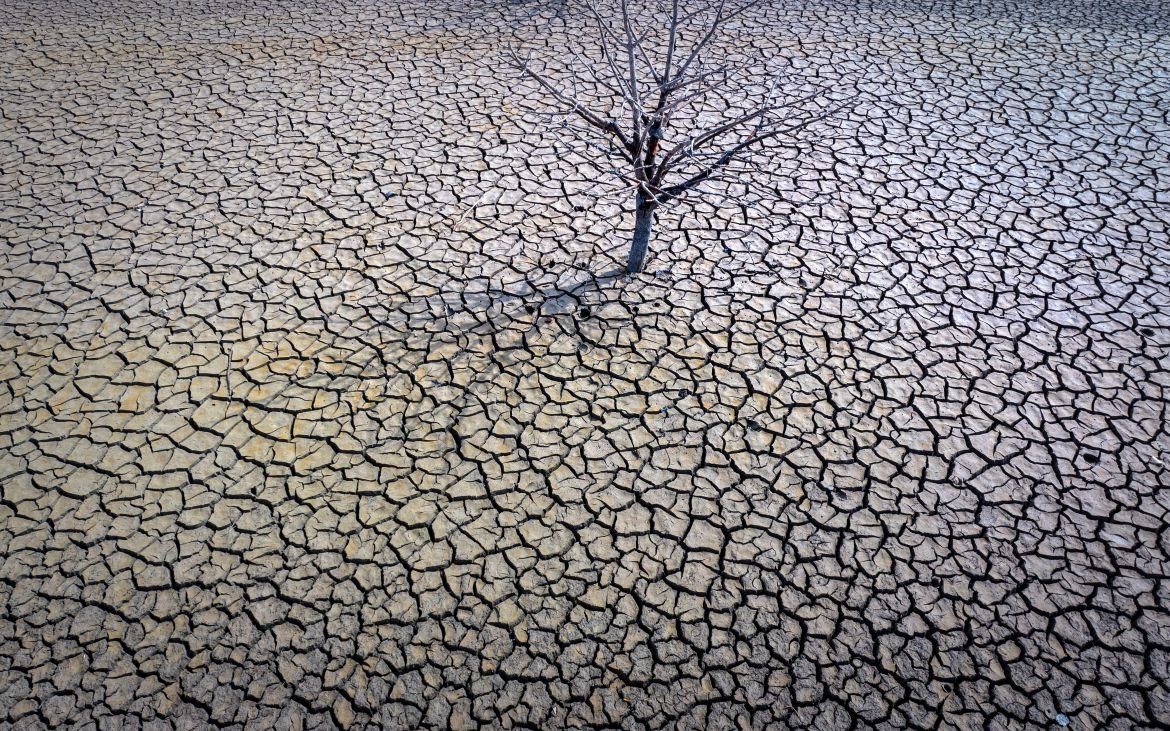
Climate Change Could Expose 1.1 Billion People to Hunger by 2100 if We Don’t Act Now
A Growing Crisis at the Intersection of Climate and Food

Climate change is no longer a distant environmental issue; it is quickly becoming one of the biggest threats to global food security. Scientists warn that if greenhouse gas emissions keep rising at their current pace, up to 1.1 billion people could face hunger by 2100. Rising temperatures, unpredictable rainfall, and severe weather events are already disrupting how food is grown, harvested, and distributed worldwide.
According to the Intergovernmental Panel on Climate Change, climate change is reducing crop productivity in many vulnerable areas while increasing the risk of food shortages, especially in developing countries.
How Climate Change Drives Hunger

Climate change affects food systems in several connected ways:
1. Extreme Weather Events
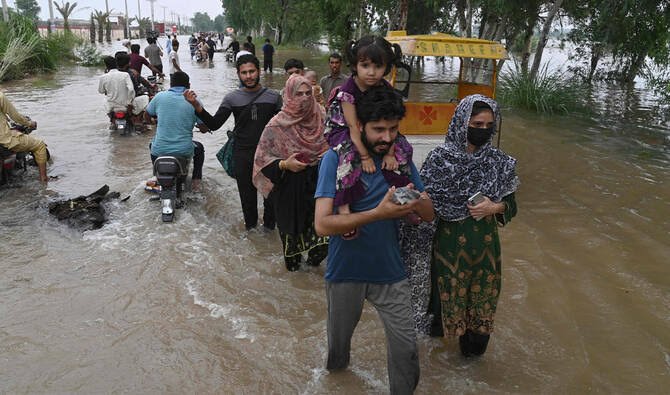
Floods, droughts, cyclones, and heat waves are becoming more common and severe. Crops fail when rainfall patterns change or when temperatures exceed what plants can handle.
2. Water Scarcity
Many agricultural regions rely on steady water supplies. Melting glaciers, decreasing groundwater, and extended droughts cut down irrigation capacity, leaving farmers unable to maintain their harvests.
3. Soil Degradation
Higher temperatures and irregular rainfall speed up soil erosion and nutrient loss. Over time, farmland becomes less productive, leading to lower food output.
4. Rising Food Prices
When harvests drop, food supply shrinks. This raises prices, making basic nutrition unaffordable for millions of low-income families.
Who Will Be Hit the Hardest

The impact of climate-driven hunger will not be equal. Regions already facing poverty and food insecurity including parts of South Asia, Sub-Saharan Africa, and small island nations are expected to be the hardest hit.
Organizations like the World Food Programme warn that climate shocks are increasingly becoming the main cause of global hunger emergencies. Smallholder farmers, who produce a significant portion of the world's food, often lack the resources to adjust to changing conditions.
Children are especially vulnerable, as long periods of food shortages lead to higher rates of malnutrition, stunted growth, and disease.
Why 2100 Is a Critical Deadline

Climate projections indicate that without major emission reductions, global temperatures could rise by more than 2–3°C this century. Even slight increases in temperature can greatly reduce yields of staple crops like wheat, rice, and maize.
The United Nations stresses that food systems are nearing a tipping point. Continued warming could cause widespread failures across agriculture, water supply, and global trade networks.
Solutions Still Within Reach
The future is not set in stone. Experts agree that taking strong action today can prevent the worst outcomes.
Key solutions include:
. Switching to renewable energy to cut emissions
. Supporting climate-resilient crops and farming methods
. Enhancing water management and irrigation systems
.Cutting down food waste across supply chains
. Boosting global cooperation on food security
Investing in sustainable agriculture and climate adaptation can help farmers keep their productivity even as conditions change.
A Call to Act Now
Climate change is not just an environmental issue; it is a humanitarian one. The chance that over a billion people could face hunger by 2100 emphasizes the need for immediate collective action. Governments, businesses, and individuals all play a part in reducing emissions and protecting food systems.
The decisions made today will influence whether future generations inherit a world of scarcity or resilience. Acting now is about more than saving the p
lanet; it is about ensuring that everyone has enough to eat.


















Responses (0)
Sign in to share your thoughts.
Sign in