Democrats Sweep and Reclaim the House of Representatives & U.S. Senate


Democrats Sweep and Reclaim the House of Representatives & U.S. Senate By Big and Surprising Margins:
However, Some Details Voters Might want to remember:
1.) President Trump may be a ‘lame duck,’ but he has veto power.
2.) The new Congress will not assume control until January, which is three months away. There are numerous events that could occur between now and then.
3.) Trump has already hinted that he wants to bargain with the incoming Democratic majority or else he’ll threaten to veto any bill that comes to his desk.
4.) Priorities: Democrats must promptly determine the type of Congress they aspire to be; some will advocate for investigations, while others will concentrate on policy formulation.
5.) Should impeachment remain a viable option, a third attempt by Democrats against Trump may be counterproductive and futile. A choice is to retrieve it. Congress's legislative authority includes control over financial resources.
6.) To override any presidential veto, Democrats will require a two-thirds majority of Republican support, which is a challenging task in and of itself.
7.) Huge if, but possible, should Trump resign or pass away, J D Vance becomes President of the United States, which carries its set of challenges for Democrats.
8.) The departure of a Congress that does not take any action can result in significant disruptions. In terms of establishing legislative policy for the new Congress, it will assume office within 60 days. Before January 3, Democrats must formulate a strategy.
9.) Jeffries must secure the nomination of his party for the position of Speaker of the House; however, this is not an easy task. Jeffries has faced significant criticism from rank-and-file Democrats regarding his leadership style.
10) It is important to remember that the majority of Americans are still likely to be "moderately" conservative/moderate, not progressive. This includes Democrats, and they will likely oppose certain progressive policies. Clinton and Obama both discovered this fact during their tenures in office, and they both lost the House and Senate midterm elections. This was due to their attempts to implement controversial policies that many Americans, irrespective of their political affiliation, simply cannot accept.
WASHINGTON >> On Wednesday, Democrats pledged to leverage their resounding midterm victory to constrain President Donald Trump, potentially resulting in a two-year period of gridlock in Washington. Trump spent his initial post-election appearance showcasing his under-construction White House ballroom.
A wave of anger over Trump’s policies, particularly the U.S.-Iran war’s role in pushing the cost of living higher, helped Democrats take the Senate, where they flipped seats in deeply Republican states for a majority of at least 54-44. Democrats also gained at least 30 seats in the House of Representatives.
Trump, a Republican who also served as president from 2017-2021, will face a Democratic-controlled Congress in both chambers for the first time.
A new political era opened in Washington on Wednesday, as Democrats vowed to use their sweeping majority to check President Trump’s power, while prominent Republicans blamed their midterm wipeout on his agenda and party leadership.
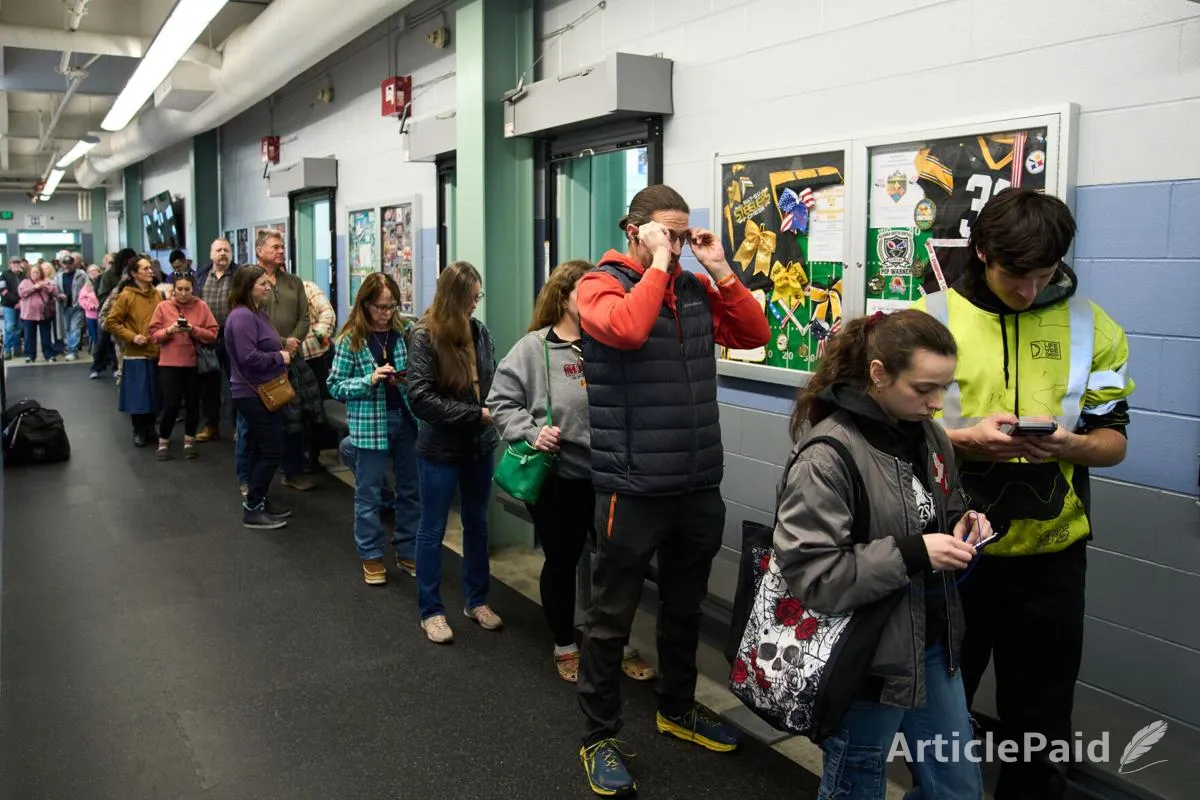
Democrats appeared poised to obtain a minimum 50-seat majority in the House and firm dominance in the Senate following significant triumphs nationwide, including in staunchly Republican House districts and historically Republican Senate seats. Vise President JD Vance attributed the defeat to Mr. Trump’s choice to initiate hostilities with Iran, a significant departure from a president who has, for the majority of the last ten years, insisted on unwavering loyalty from his party.
Everyone knows why we lost,” Mr. Vance said on social media. For his part, Mr. Trump said Mr. Vance’s assessment was “largely true.” He added, “If I had to do it again, I’d have to do it again.”
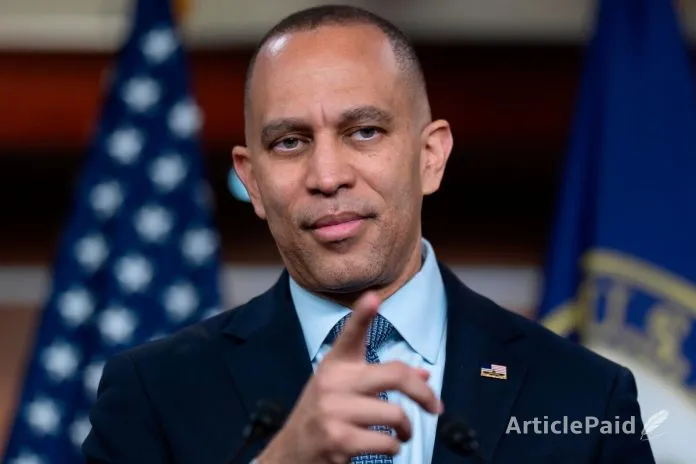
Representative Hakeem Jeffries of New York, the minority leader who is anticipated to become the first Black Speaker of the House, predicted that Democrats would secure at least 255 of the 435 seats in the chamber. He likened the magnitude of his party's victory to an "American tsunami." In conservative-leaning seats from Indiana to Missouri to Alabama, Democrats eliminated Republicans who had not anticipated competitive races, thereby establishing themselves on course to achieve their goal.
Mr. Jeffries pledged to reestablish the chamber's authority by conducting vigorous investigations with oversight, following two years of Republican control of Congress that diminished the House's role to that of a mere bystander.
“The days of the House of Representatives functioning like a wholly owned subsidiary of the Trump administration are over,” Mr. Jeffries promised.
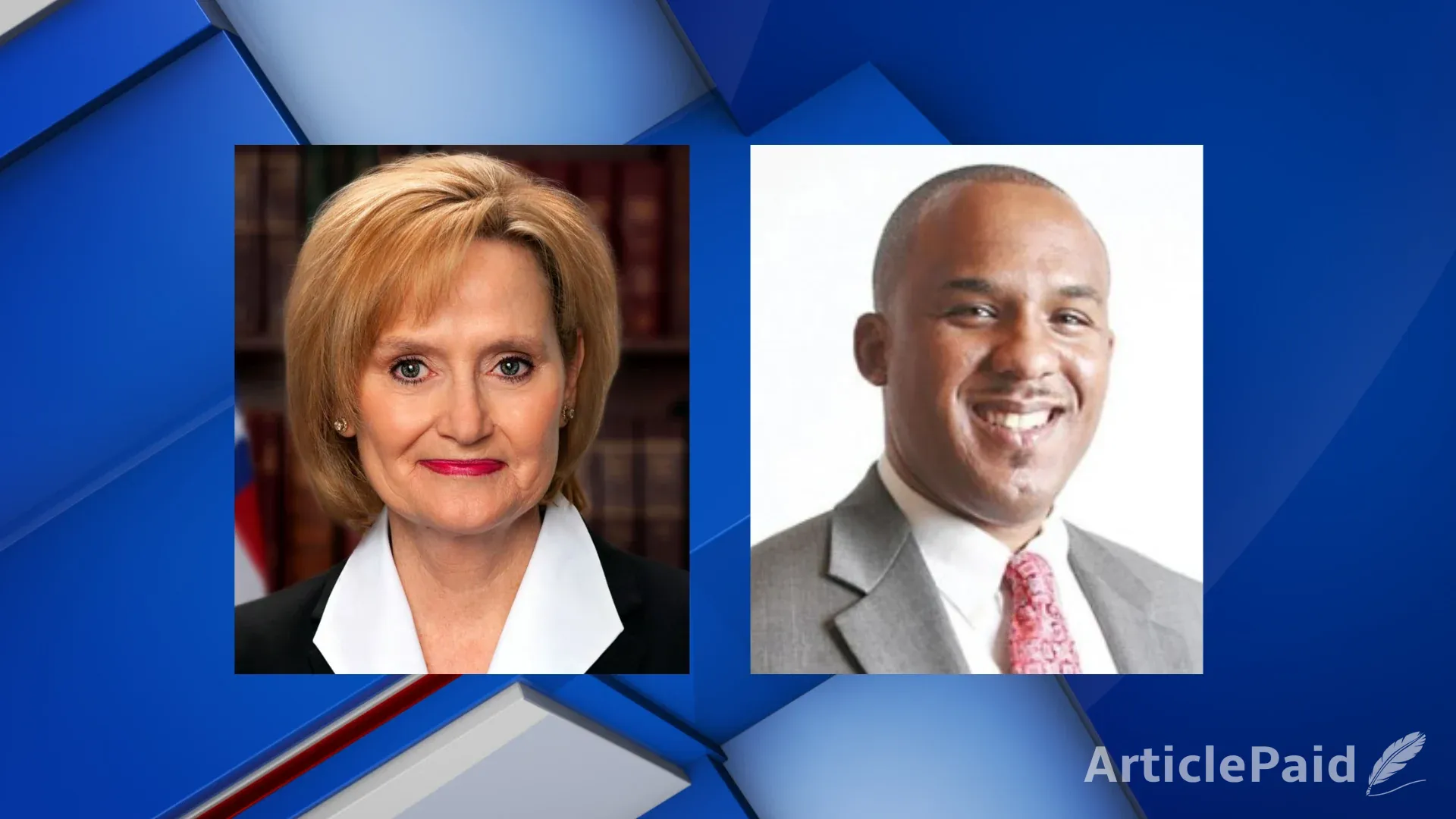
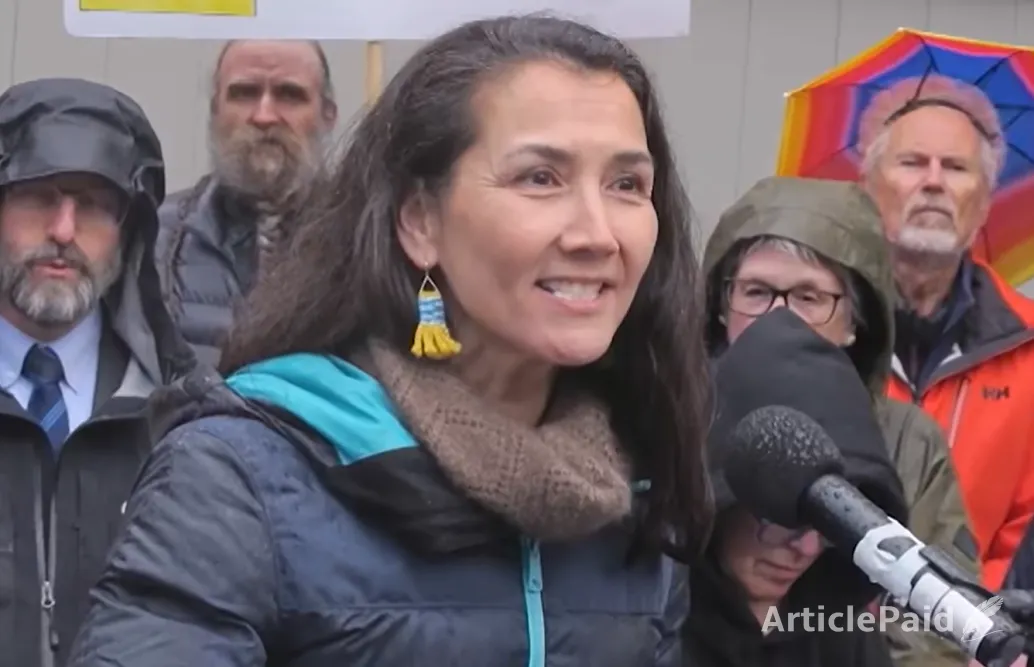
According to The Associated Press, Republicans suffered losses in the Senate in Maine, Iowa, Kansas, Ohio, North Carolina, South Carolina, and even Texas. Two other tight Senate contests haven’t been called: Ballots were still being counted in Alaska’s contentious Senate race and in the unlikely battleground of Mississippi, where roughly 1,100 votes separated the two candidates as of Wednesday evening.
The decisive control of the Senate is a “generational remake,” Senator Chuck Schumer of New York, the Democratic leader, told reporters in Washington.
In Tuesday’s election, voters in every major demographic group — race, age, gender and education — swung drastically left, reversing the gains Mr. Trump had made with them in 2024.










Responses (0)