

Does Everyone with Diabetes Get Kidney Failure? Facts, Risks, and Prevention
What Is Diabetic Kidney Disease?
- • Approximately 1 in 3 adults with diabetes has some level of kidney disease.
- • It affects both type 1 and type 2 diabetes, though progression rates vary.

Will Diabetes Always Lead to Kidney Failure?
Statistics show:
• Modern treatments and better awareness have significantly lowered these risks.
• Many individuals live with diabetes for 20, 30, or 40+ years without serious kidney problems.
Who Is at Higher Risk for Diabetic Kidney Disease?
- • Long duration of diabetes (especially 10+ years)
- • Poorly controlled blood glucose levels
- • High blood pressure
- • Family history of kidney disease
- • Smoking, obesity, and unhealthy diet
- • Other conditions like high cholesterol

Signs and Symptoms of Kidney Problems in Diabetes
- • Annual urine tests for microalbuminuria (small amounts of protein)
- • Blood tests for eGFR (estimated glomerular filtration rate)
- • Regular monitoring of blood pressure and A1C
How to Prevent Kidney Failure with Diabetes
The best news? Kidney failure is largely preventable. Here’s how:
1. Control Blood Sugar — Keep levels in target range through medication, diet, exercise, and monitoring.
2. Manage Blood Pressure — Target below 130/80 mmHg. Medications like ACE inhibitors or ARBs offer special kidney protection.
3. Adopt Kidney-Friendly Habits — Eat a balanced, low-sodium diet; exercise regularly; maintain a healthy weight; quit smoking.
4. Use Protective Medications — Newer drugs (such as SGLT2 inhibitors) have shown powerful benefits for kidney health in people with diabetes.
5. Get Regular Checkups — Work with your doctor or a specialist team for personalized care.
Living a Full Life with Diabetes
Practical Tips:
- • Ask your doctor about annual kidney screenings
- • Track your blood pressure and blood sugar at home
- • Consider a diabetes self-management education program
- • Seek support from endocrinologists or nephrologists when needed
Hope and Action for Diabetes and Kidney Health
No, not everyone with diabetes gets kidney failure. While the risk exists, proactive care makes severe kidney disease far less likely. Early screening, excellent blood sugar and blood pressure control, and healthy lifestyle choices empower you to protect your kidneys effectively.
If you have diabetes, schedule a kidney check with your healthcare provider soon. Taking action today can lead to better health for years to come.
This article is for educational purposes only and does not replace professional medical advice. Always consult your doctor for personalized recommendations.
More from ArticlePaid

The Origin, Nutrition, and Health Benefits of Olives,
The Origin, Nutrition, and Health Benefits of Olives,Olives, the tiny but powerful fruits of the olive tree (Olea europaea), have been an integral part of

10 Best Home Remedies to Lower Blood Pressure Fast
Discover 10 powerful home remedies to lower blood pressure quickly, naturally, and safely—without medication.

How to Improve Erectile Dysfunction New study june 2024
Erectile dysfunction (ED) is a common issue that many men face, characterized by the inability to maintain an adequate erection for sexual intercourse12. While it can be a sensitive topic, it’s important to understand that ED is a treatable condition and there are several strategies that can help improve it12.

How to lose 5-10 pounds Weight in just 4 Months. Ready?
This article will explain the best ways to follow ups and ACHEIVE the desire result regard weight deduction. It would be a helpful guide.

Understanding Skin Pigmentation,Causes types and Treatment.
Skin pigmentation is a natural and complex aspect of human biology, but imbalances can cause cosmetic and psychological concerns. Understanding the causes and treatment options empowers individuals to take control of their skin health.

Top 12 Tips for First-Time Baby Planners, pregnancy.
Top 12 Tips for First-Time Baby Planners to Have a Healthier Pregnancy, It can be exciting, emotional, and a little overwhelming to plan your first pregnan

The 11 Best Ways to Eat in the Monsoon to Stay Healthy.
The 11 Best Ways to Eat in the Monsoon to Stay Healthy and Bright Cool breezes,cloudy skies, and the rhythmic sound of raindrops make the monsoon season a
Protecting Your Vision: A Guide to Eye Wellbeing in the Digital Age"
Eye Wellbeing: In Spite our eyes are quite possibly our most basic organ, providing us with the gift of vision.of their significance, numerous individuals neglect the significance of keeping up eye wellbeing.
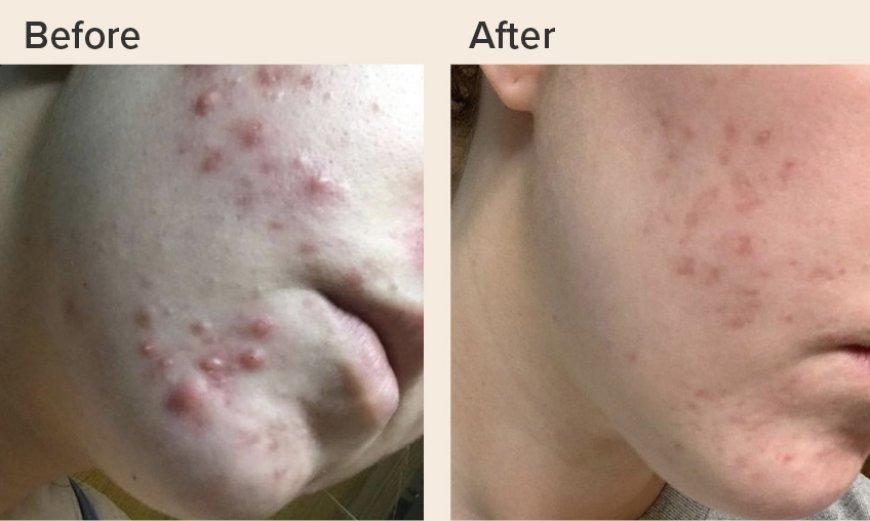
Top 6 Natural Solutions to Clear Skin and Fight Acne
Discover the top 6 natural solutions to clear your skin and fight acne without harsh chemicals or medications.
Weekly Top Articles

Best AI Tools in 2026: 10 Tools That Make Everyday Work Easier
Artificial intelligence has become a practical part of everyday work in 2026. From writing and research to graphic design, coding,...

10 Future-Ready Courses Writers Should Consider in 2027
The Concept of Writing Skills Has Changed The role of a great writer is no longer about putting words together to form a good...

Money and Peace Together: 5 Hobbies That Can Earn You Extra Income Today
IntroductionIt is no secret that a person’s leisure time is often limited due to the ongoing hustle for money. However, in some ca...

Creamy Garlic Butter Chicken: A Weeknight Dinner Worth Repeating
Every so often, a dish takes over your social feed and you wonder if it's really that good. This one is. Tender chicken sits in a ...

Top 10 Online Courses to Learn in 2026 for a Successful Future Career
IntroductionThe online courses market is on the rise in 2026, and there are plenty of options suitable for students, job seekers. ...

7 AI Skills Paying $100 Daily In 2026 (No Degree Required)
IntroductionThe world of Artificial Intelligence is booming, offering unprecedented opportunities to make a living and build a sus...








Responses (1)
Sign in to share your thoughts.
Sign in