How Much Walking Do You Really Need Every Day to Stay Healthy
Honestly, I used to feel so guilty about this. Everyone around me was talking about 10,000 steps. My phone would show 3,


In this article 11 sections
- What Doctors and Health Agencies Suggest
- No Need to Do It All at Once
- So, What About 10,000 Steps?
- What Walking Does for Your Body
- How to Begin if You Get Tired Easily
- Talk to Your Doctor First if You Have a Health Condition
- FAQs
- Is walking enough exercise?
- Does a slow stroll count?
- Can I walk after meals?
- Conclusion
Honestly, I used to feel so guilty about this.
Everyone around me was talking about 10,000 steps. My phone would show 3,000 steps and I would think, today also I failed. If you have ever felt like that, then this one is for you.
Because the truth is, your body does not really care about that perfect number.
What Doctors and Health Agencies Suggest
Most adults just need about two and a half hours of brisk movement in a whole week. The CDC calls it 150 minutes.
If you break it down, it is only 30 minutes a day, 5 days a week. That is it. A fast walk is more than enough. No gym, no fancy shoes, no pressure.
No Need to Do It All at Once
Look, 30 minutes together can feel like a lot. I get it. Especially when you are busy.
So just break it up. 10 minutes after breakfast, 10 minutes after lunch, and 10 minutes in the evening. Done. Your daily goal is complete, and you did not even feel it.
So, What About 10,000 Steps?
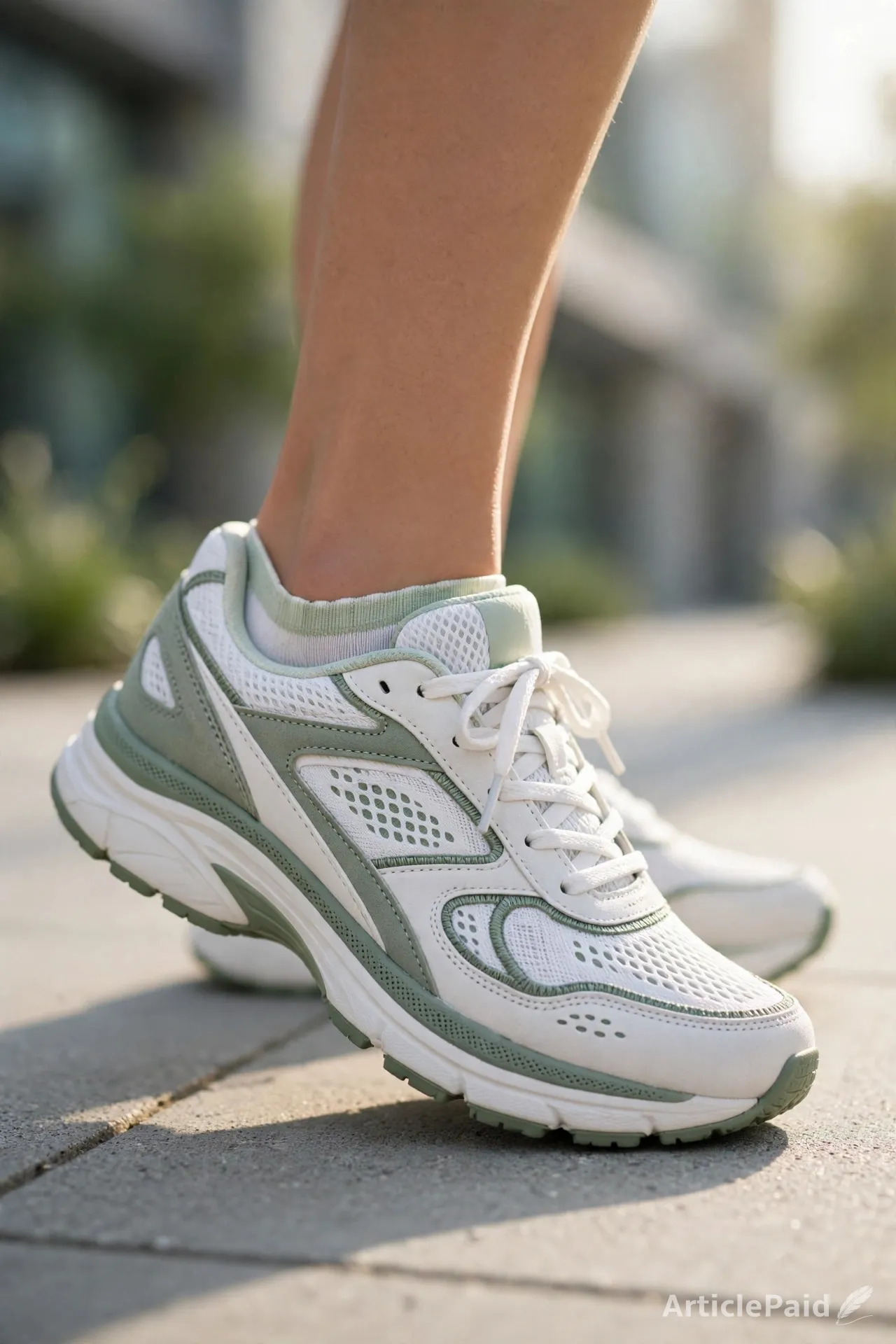
That 10,000 number is a good target, but it is not some magic line.
Research suggests people under 60 got most of the benefit at around 8,000 to 10,000 steps a day. And for people over 60, it was even lower, around 6,000 to 8,000 steps.
So the real message is simple. Just move a little more than you did yesterday. Do not stress about the exact count.
What Walking Does for Your Body
When you walk regularly, your chances of heart disease, stroke, type 2 diabetes and some cancers go down. It helps with stress, weight, and sleep too.
And honestly, the mental part is the best. I always feel lighter and calmer right after a walk. Like my head gets clear.
How to Begin if You Get Tired Easily

If you get tired easily, do not push yourself. Start small. Just start with 10 minutes a day. That is enough.
- Add a few more minutes every week, slowly.
- Park a little further away and walk the rest.
- Ask a friend or family member to join you, it becomes fun.
- Walk at the time when you have the most energy.
Health agencies also say to do strength exercises, like squats or light weights, on two days a week. But first, just focus on walking.
Talk to Your Doctor First if You Have a Health Condition
If you have heart problems, diabetes or any long-term illness, please check with your doctor first before you increase your activity. Start slow, step by step. No rush.
FAQs
Is walking enough exercise?
Brisk walking covers the cardio part. If you add strength exercises on two days a week, then it is complete.
Does a slow stroll count?
Yes, it still helps. But for the full benefit, walk fast enough that you breathe a little harder and feel your heart pick up a bit.
Can I walk after meals?
Yes. A short walk after meals is actually one of the easiest ways to add movement to your day.
Conclusion
You do not need a perfect plan to get healthier. Just try to walk briskly for at least 30 minutes on most days, and if you need to, split it into shorter walks.
So put on your shoes and take that first 10-minute walk today. Not tomorrow, today.
This article is for general information and does not replace medical advice.
References: Centers for Disease Control and Prevention, "Adding Physical Activity as an Adult" (cdc.gov/physical-activity-basics/adding-adults) and "Physical Activity and Your Weight and Health" (cdc.gov/healthy-weight-growth/physical-activity); CDC "Moving Matters for My Health" (cdc.gov/moving-matters)














Responses (0)