

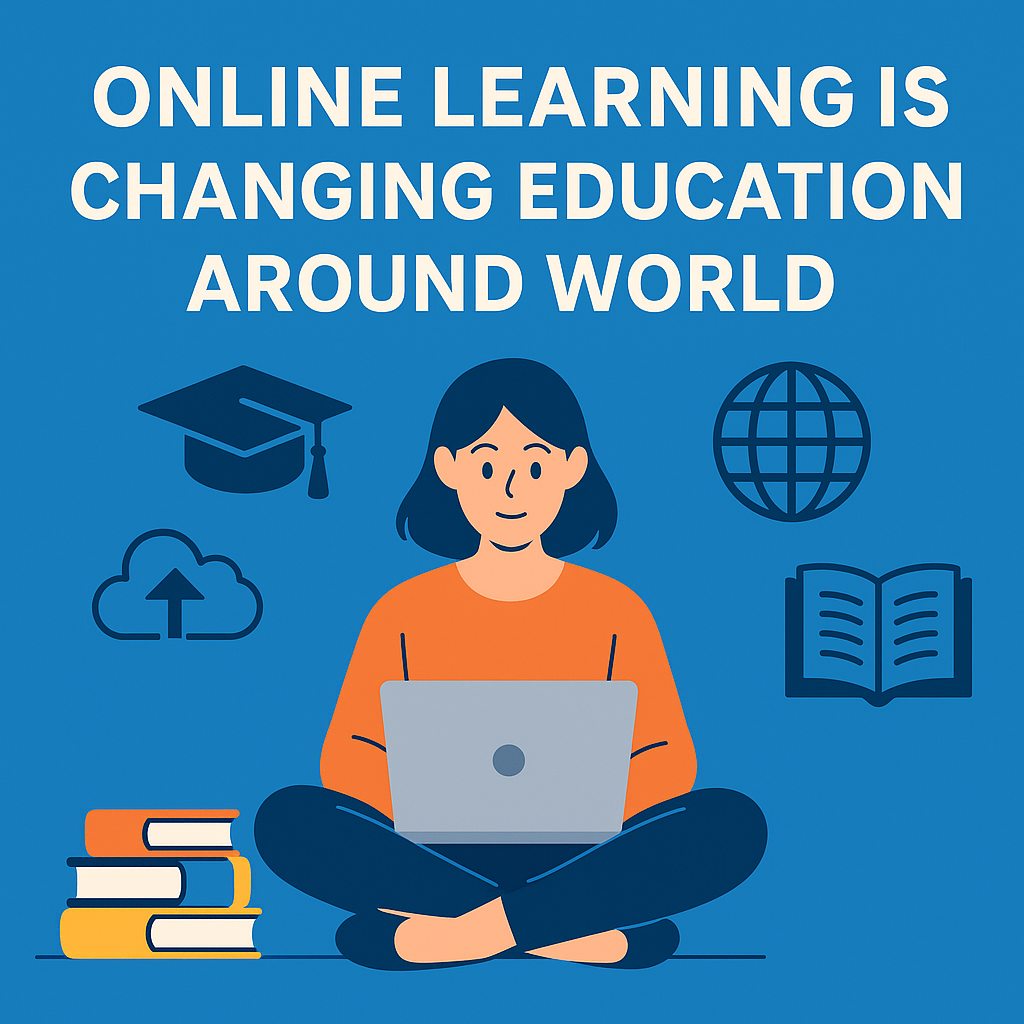
Online learning has transformed the way students access knowledge, communicate with teachers, and develop new skills. With computers, smartphones, and reliable internet connections, education is no longer limited to a traditional classroom. Students can now learn from home, join virtual classes, watch educational videos, and access digital resources at times that fit their schedules.
The growth of online education is creating new opportunities for students while also changing how learning takes place. From greater flexibility to personalized learning experiences, digital education is becoming an important part of modern education.
Flexible Learning for Students
One of the biggest advantages of online learning is flexibility. Traditional classes usually require students to attend at a specific place and time. Online courses can provide more freedom, allowing students to study according to their individual schedules.
Students can watch recorded lectures, review digital notes, and complete assignments from home. This flexibility can be particularly useful for students who have part-time jobs, family responsibilities, or long travel distances to educational institutions.
Flexible learning also gives students more control over their study routines. They can spend additional time on difficult subjects and move more quickly through topics they already understand.

Easy Access to Educational Resources
Online learning has made educational resources easier to access. Students can use digital libraries, online courses, educational websites, recorded lectures, e-books, tutorials, and interactive learning platforms.
Instead of depending only on textbooks available in a classroom, students can explore multiple sources of information. This can encourage independent learning and help students develop research skills.
Digital resources also make it possible for students to learn about subjects that may not be offered at their local schools or colleges.
Personalized Learning Experiences
Every student learns differently. Some students understand concepts quickly through reading, while others benefit from videos, demonstrations, quizzes, or practical activities.
Online learning platforms can support different learning preferences by offering various types of educational content. Students can replay lessons, pause videos, take online quizzes, and review difficult topics as many times as necessary.
This creates a more personalized learning experience and can help students become more confident in their academic abilities.
Improved Digital Skills
As education becomes increasingly digital, students are developing important technology skills. They learn how to use video conferencing software, online classrooms, digital documents, presentation tools, research databases, and collaboration platforms.
These skills can be valuable beyond education. Modern workplaces rely heavily on digital communication and technology, so students who become comfortable with digital tools can be better prepared for future academic and professional environments.

Better Communication and Collaboration
Online education does not necessarily mean students learn alone. Virtual classrooms can provide opportunities to communicate with teachers and classmates through video meetings, discussion boards, messaging platforms, and group projects.
Students from different cities and countries can also collaborate on assignments and exchange ideas. This can expose learners to different perspectives and encourage communication skills.
Challenges of Online Learning
Although online learning offers many benefits, it also presents challenges. Students need self-discipline, time-management skills, and motivation to remain focused without the structure of a traditional classroom.
Technical problems can also interrupt lessons. Limited internet access or a lack of suitable devices may make digital education difficult for some learners.
Another challenge is maintaining meaningful social interaction. Schools and colleges provide face-to-face experiences that can support friendships, teamwork, and communication. Effective online education therefore needs to balance technology with opportunities for meaningful interaction.
The Future of Education
Online learning is likely to remain an important part of education. Rather than completely replacing traditional classrooms, digital learning can complement them through blended education. Students may attend physical classes while using online resources for additional practice, revision, and independent study.
As educational technology continues to develop, students may gain access to more interactive courses, personalized resources, virtual collaboration, and flexible learning opportunities.
Conclusion
Online learning is changing education by making learning more flexible, accessible, personalized, and technology-focused. Students can access educational resources from almost anywhere, develop digital skills, and take greater responsibility for their learning.
At the same time, successful online education requires discipline, reliable technology, effective teaching methods, and meaningful student engagement. By combining the strengths of digital and traditional education, we can create learning environments that better support the changing needs of students.

















Responses (0)
Sign in to share your thoughts.
Sign in