
HOW TO CURE CANCER.
Cancer is a complex and multifaceted disease that impacts millions of individuals worldwide. It arises when the body's own cells grow uncontrollably and escape the normal systems of regulation, leading to tumors, tissue damage, and sometimes the spread of cancerous cells to distant organs. While there are many different types of cancer, they all share this core characteristic: uncontrolled cell growth.
As I think about the challenge cancer poses, one fact jumps out at me—early detection and prevention are our best weapons. Understanding the causes and risk factors is key. There are many influences, both internal and external, that can play a role. Genetics certainly matter, but lifestyle choices and environmental exposures often have an even bigger impact than we realize.
Let’s take a closer look at some well-known contributors to cancer risk. Tobacco use is at the top of the list and is directly linked to several cancers, including lung, mouth, and throat cancer. Diet and physical activity also play huge roles—diets high in processed foods, red meats, and low in fruits and vegetables can increase risk. Being overweight or obese is similarly associated with numerous cancers, especially breast, colon, and pancreatic cancers. Alcohol, excessive sun exposure, and contact with certain chemicals further add to the risk.
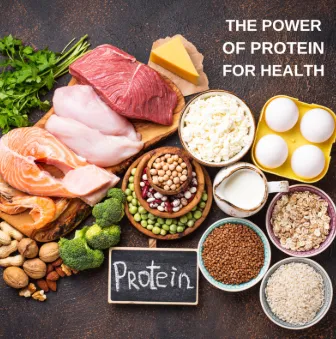
So how can we prevent cancer before it takes hold? Prevention starts with the choices we make every day. Quitting smoking or never starting is the most powerful step. Eating a balanced diet heavy on fruits, vegetables, whole grains, and lean proteins gives our cells the right ingredients to stay healthy. Keeping an active lifestyle, maintaining a healthy weight, and moderating alcohol intake all provide direct protection.
Of course, some cancers are linked to infectious agents. Vaccinations against human papillomavirus (HPV) and hepatitis B virus can prevent many cases of cervical and liver cancer, respectively. Practicing safe sun habits—using sunscreen, wearing protective clothing, and limiting midday sun exposure—helps prevent skin cancer. Regular screening tests for cancers like breast, colon, and cervical cancer can also identify problems before they become life-threatening, giving us a better chance at successful treatment.
Ultimately, cancer prevention isn’t about eliminating risk entirely—life is full of uncertainties, after all. It’s about stacking the odds in our favor by making choices that strengthen our defenses. While genetics play a role we can’t control, the majority of cancers are influenced by our habits, environment, and vigilance. By taking proactive steps and encouraging others to do the same, we can collectively reduce the burden of cancer for ourselves and future generations.


Discussion (0)