

How to Lower Cholesterol Naturally at Any Age Our bodies need cholesterol,
a fatty substance, to make hormones and build healthy cells. However, high levels of cholesterol, particularly LDL (low-density lipoprotein), also known as "bad" cholesterol, can cause plaque to build up in the arteries, increasing the risk of heart disease, stroke, and other problems with the cardiovascular system.
The good news is that, regardless of age, cholesterol levels can frequently be naturally managed through lifestyle choices. This book covers natural ways to lower cholesterol that are effective for kids, adults, and seniors, ensuring heart health at every age.
1.Understanding Cholesterol Basics
Understanding the different kinds of cholesterol is important before getting into the solutions: LDL, or"bad cholesterol," is a fatty buildup in the arteries that increases the risk of heart disease and stroke. HDL (Good Cholesterol): Helps remove LDL from the bloodstream, protecting heart health.
Triglycerides are another type of fat that are present in the blood, and having high levels of them in conjunction with elevated LDL can be harmful. Age, gender, and overall health all play a role in maintaining healthy cholesterol levels, but in general: Cholesterol in its entirety: less than 200 mg/dL Less than 100 mg/dL of LDL HDL: at least 40 mg/dL for men and 50 mg/dL for women.
2.Eat more heart-friendly foods.The most important factor in controlling cholesterol is your diet. The following foods can naturally lower LDL and improve HDL.
a. Increase Consumption of Soluble Fiber Before cholesterol enters the bloodstream, soluble fiber removes it by binding with cholesterol in the digestive system. The best sources: Oat bran and oats Barley
Beans and lentils
citrus fruit, pears, and apples psyllium shell Start your day with a bowl of oatmeal and berries on top.
b.Include Good Fats Replace saturated fats with unsaturated fats to reduce LDL.
Sources of beneficial fats: Avocado oil and olive oil Salmon, sardines, and mackerel are all high in fat. Seeds and nuts (chia, flaxseeds, almonds, and walnuts)
c.Eat More Plant Sterols and Stanols
The intestines are prevented from absorbing cholesterol by plant sterols. Sources:
Fortified spreads and juices
Nuts and seeds
Legumes
3.Reduce Harmful Fats and Refined Carbs
Excessive saturated fats (from red meat, full-fat dairy) and trans fats (found in processed snacks, fried foods) can raise LDL levels.
How to cut down on bad fats: Switch to protein from plants or lean meats. Use dairy products low in fat. Baked or steamed alternatives should take the place of deep-fried options.
Cut down on processed and packaged snacks.
Also, avoid refined carbs such as white bread, pastries, and sugary drinks, as they can increase triglyceride levels.
4.Stay Physically Active
Exercise helps raise HDL (good cholesterol) and lowers LDL and triglycerides.
How much exercise is ideal?
Adults: At least 150 minutes of moderate aerobic activity or 75 minutes of vigorous activity per week.
Children: Physical activity for at least 60 minutes each day. Seniors benefit greatly from low-impact activities like cycling, swimming, and walking. Activities for all ages: Brisk walking
Jogging or cycling
Swimming
Dancing
Yoga or Pilates for flexibility
5.Ensure a Healthy Body Weight Cholesterol levels can be lowered with even a modest weight loss. Excess body fat increases LDL and reduces HDL.
Tips to maintain weight:
Eat smaller, balanced meals.
Avoid snacking at night. Include foods high in fiber that fill you up. For a faster metabolism, combine strength training with cardio.
6.Stop smoking and drink less alcohol. Smoking damages blood vessels and lowers HDL cholesterol. HDL levels and overall heart health can be quickly improved by quitting smoking. Drinking too much alcohol can raise blood pressure and triglyceride levels.
Safe boundaries: Men:
Up to 2 drinks per day
Women: Up to 1 drink per day
(One drink = 150 ml wine, 350 ml beer, or 45 ml spirits)
7. Manage Stress Naturally
By influencing lifestyle behaviors like overeating or lack of exercise, chronic stress may indirectly raise cholesterol levels.
Techniques for lowering stress: Exercises in deep breathing Meditation or mindfulness
Gardening
Spending time in nature
relaxing by listening to music.
8.Get Regular Check-ups
Cholesterol levels don’t usually cause symptoms, so regular testing is important:
Children: once from the ages of 9 to 11, and once from 17 to 21. Adults: Every 4–6 years; more often if at risk.
Seniors: Each one to two years.
9.Age-Specific Tips
For Kids and Teens Encourage fruits, vegetables, and whole grains.
Avoid fried and sugary foods. Promote outdoor play and sports.
for grownups Reduce your intake of processed foods and watch your portion sizes. Manage work-related stress.
Maintain a consistent workout routine.
For Seniors
To support overall health, choose foods that are high in nutrients. Engage in gentle exercises like tai chi, walking, or swimming.
Monitor medications that may affect cholesterol.
10. Natural and Herbal Supplements Although some natural remedies may assist in lowering cholesterol, they should only be used after consulting a physician: Garlic: May lower total cholesterol slightly.
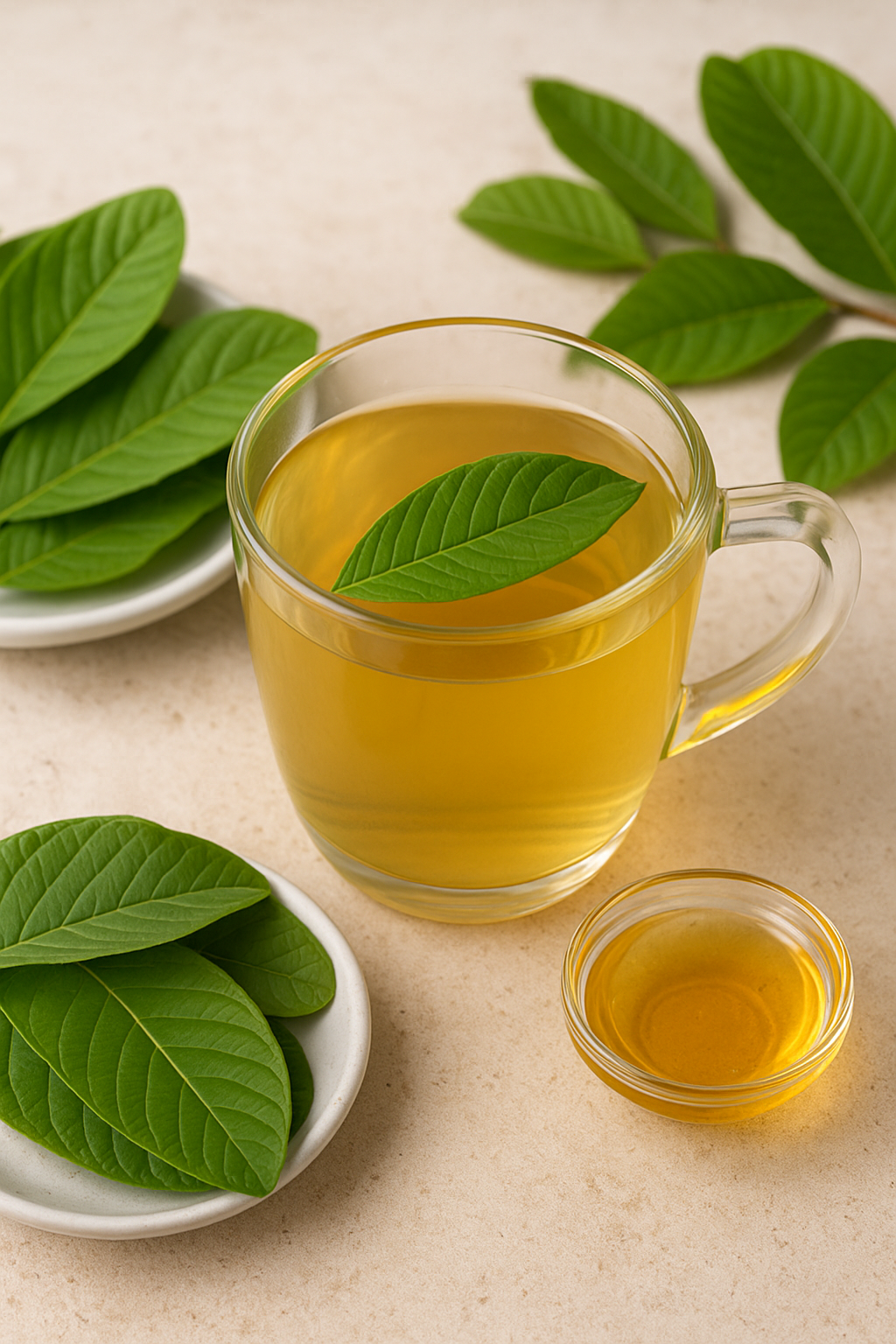
Catechins found in green tea lower cholesterol levels.
Seeds of fenugreek can lower LDL and triglycerides.
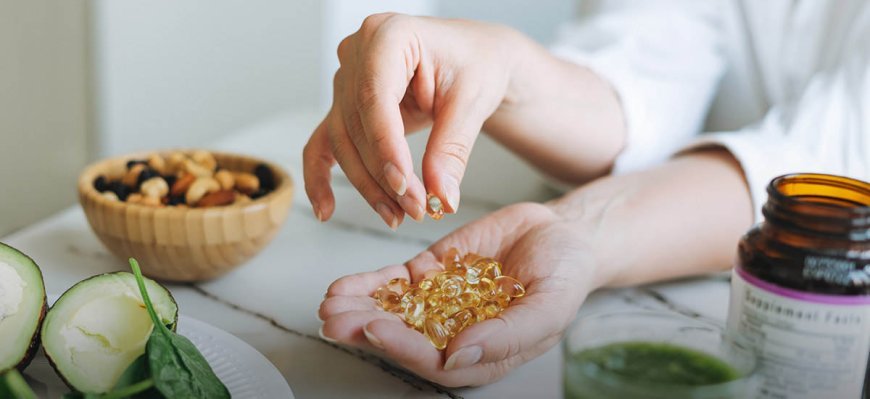
Reduces triglycerides and improves heart health with Omega-3 Fish Oil.
An Example of a Daily Meal Plan to Reduce Cholesterol Breakfast:
Almond milk, blueberries, and chia seeds in oatmeal. Snack:
a few walnuts or an apple of a small size.
Lunch:
quinoa, steamed broccoli, and grilled salmon Snack:
Carrot and cucumber sticks with hummus.
Dinner:
Lentil soup w
ith whole-grain bread and a side salad dressed with olive oil.













Responses (0)
Sign in to share your thoughts.
Sign in