
Why protein need increase with aging?
Benefits of Protein-Rich Diet
Retain Muscle Mass
Supports Bone Health
Enhances Recovery and Healing
Helps Maintain a Healthy Weight
Supports Immune Function
How much protein Adults should take ?
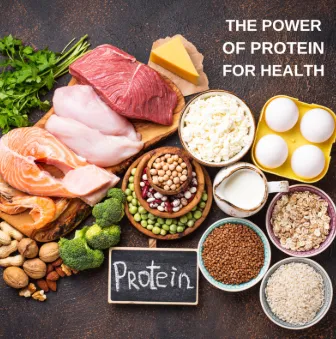
Best sources of protein
Animal-Based Protein Sources
- Fish and seafood like tuna, salmon and shrimp
- Chicken and turkey
- Eggs
- Milk, yogurt, and cheese
- Lean beef and lamb
- Poultry products
Plant-Based Protein Sources
- Lentils and beans
- Chickpeas
- Peas
- Tofu and tempeh
- Soybeans and edamame
- Almonds, walnuts, pistachios, chia seeds, flaxseeds, and pumpkin seeds
- Quinoa
- Whole grains such as oats and brown rice
- Edamame and soy milk
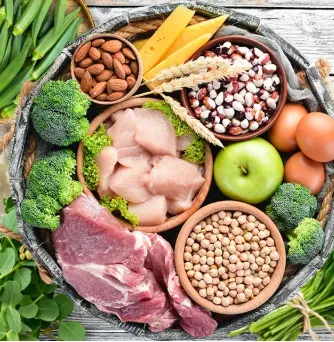
Protein is really important for healthy aging to preserve muscle mass, maintain strength, support bone health, and promote overall well-being. As aged peoples can't use protein efficiently, meeting daily protein requirements becomes increasingly important. Including a variety of rich protein sources—both animal-based and plant-based—can help adults maintain their physical function, independence, and quality of life.
More from ArticlePaid

The Best Nutrient-Dense Diet for a Healthy Glow: Monsoon.
The Best Nutrient-Dense Diet for a Healthy Glow: Monsoon,Nourishment for Hair and Skin Rain, cooler weather, and respite from the scorching summer heat are
The Essential Guide to Balancing Your Hormones Naturally
Fatigued, moody, or experiencing unexplained weight changes? The Hormone Secret: The Essential Guide to Balancing Your Hormones Naturally includes research-backed methods for resetting your endocrine system. Sugar-Hormone Detox: Discover how balancing hormones from food (cruciferous veg, omega-3s) and keeping stress low through practices (meditation, yoga) and toxin-free living do what they're meant to do, stabilizing insulin, cortisol and thyroid function while safeguarding estrogen. Managing PCOS, menopause or just plain old hormonal havoc with practical, no-prescription-actionable steps Explore how gut health, sleep hygiene and clean beauty choices can disrupt your hormones. Perfect for the women seeking holistic wellness through sustainable energy, clearer skin and mood stabilization. Reclaim your pee one hormone- boosting practice at a time.
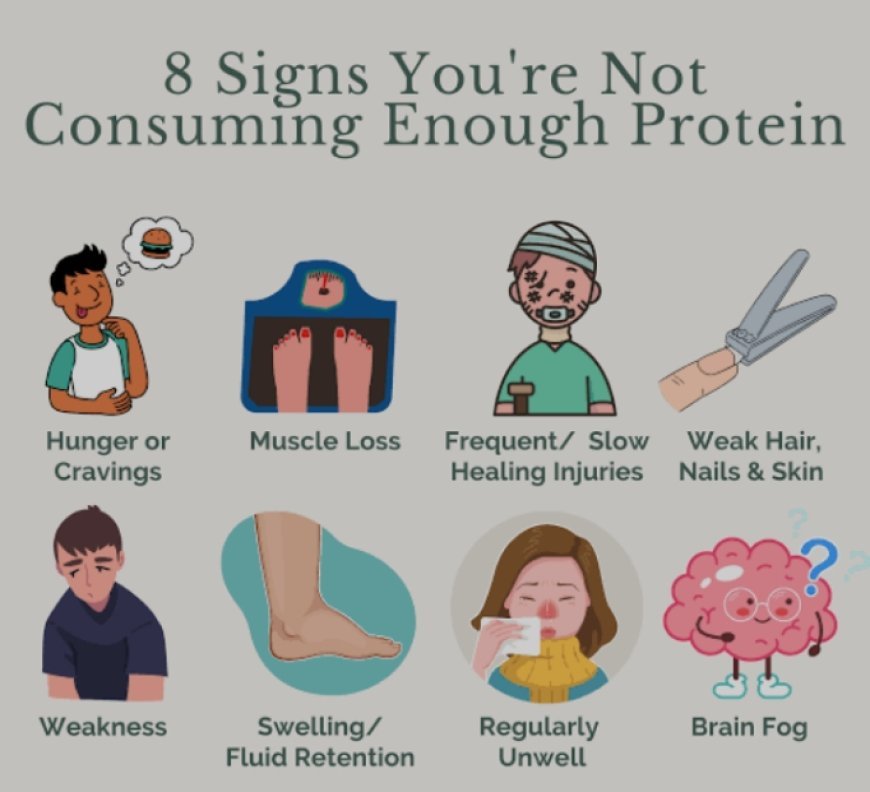
8 Signs you are not getting sufficient Protein
Protein is basic for building tissues and supporting muscle development but if you are not getting enough Protein your body giving 8 signs.

Top 10 Nutritious High-Carb Foods That Are Surprisingly Good
Explore 10 high-carb foods that are packed with essential nutrients and support a balanced, healthy diet.
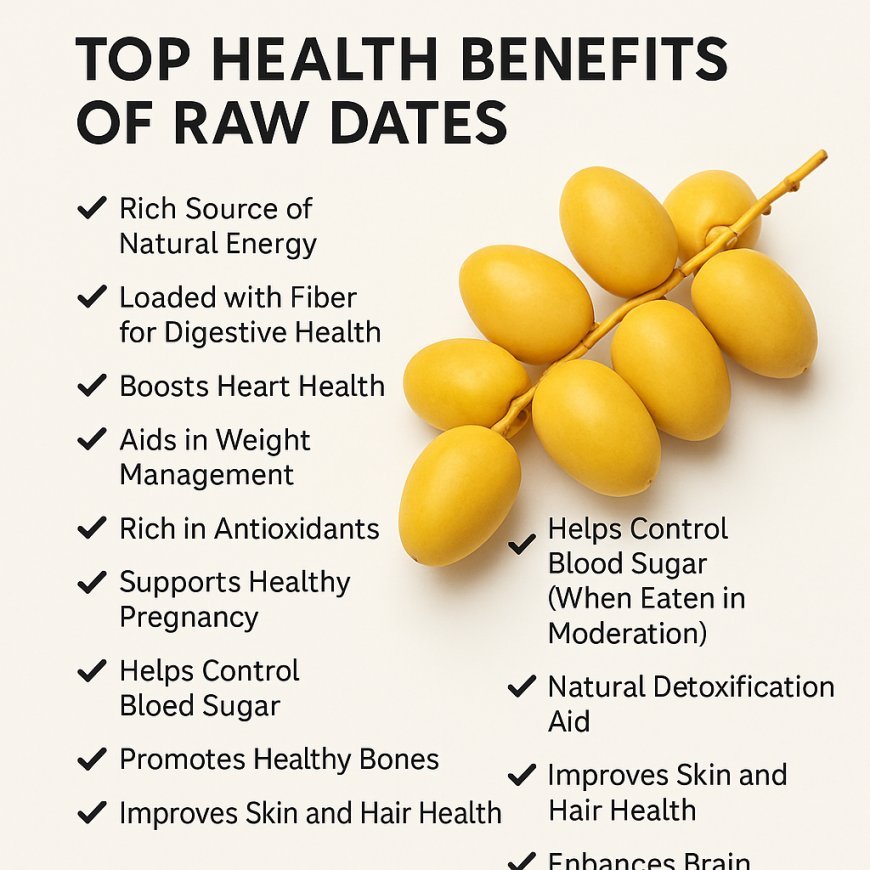
Raw Dates' Top Health Benefits:The early-stage fruits.
Raw dates are a healthy and delicious alternative that comes straight from nature. They can be used as a snack, a natural energy booster,
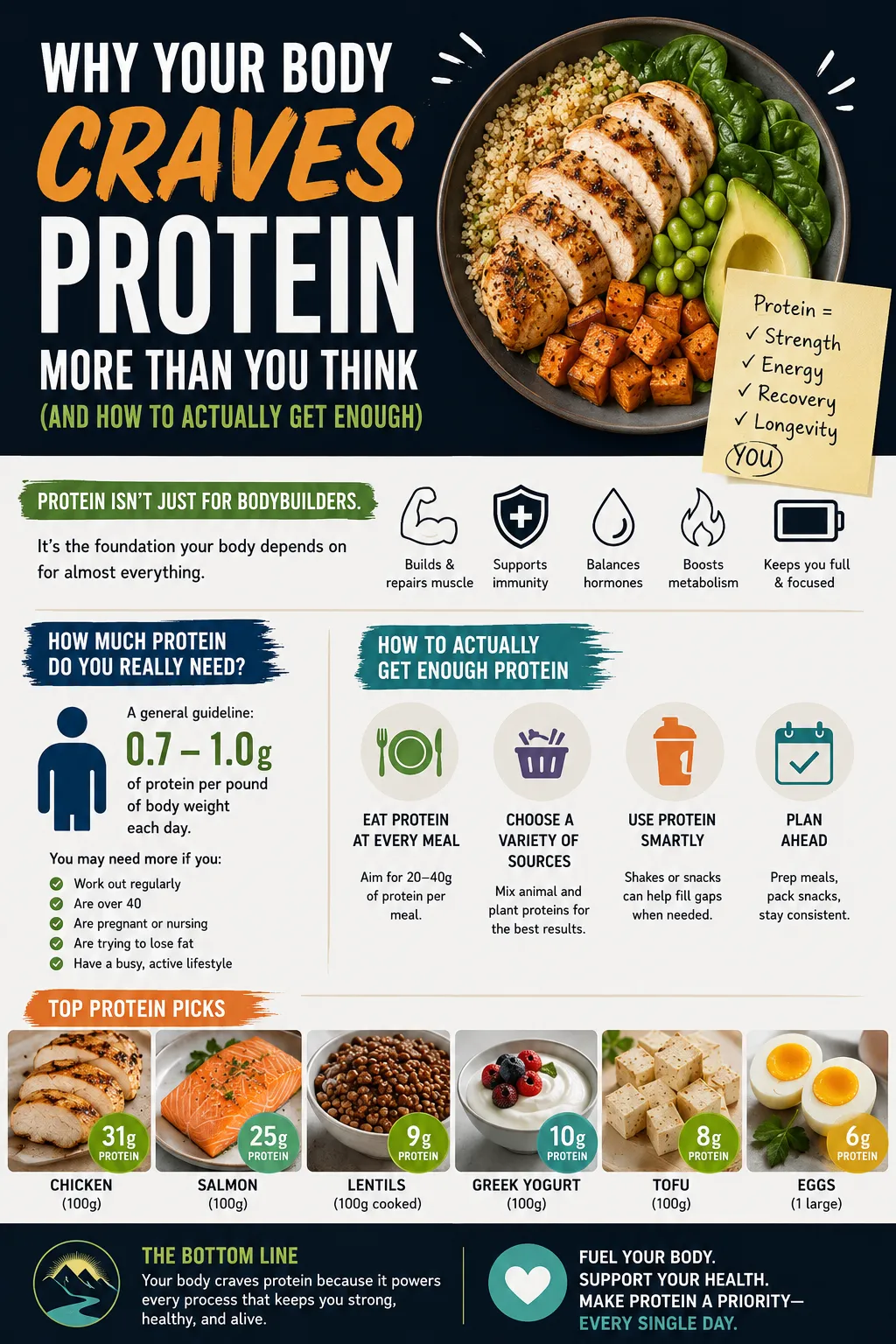
Why Your Body Craves Protein More Than You Think And How to Actually Get Enough
Most of us hear “protein” and instantly picture someone at the gym with a shaker bottle. But honestly, it has way less to do with ...

What Are the Best Ways to Protect Yourself from Common Infec
Infectious diseases, ranging from the flu to tuberculosis and COVID-19, remain one of the leading global health concerns. These illnesses, caused by bacter
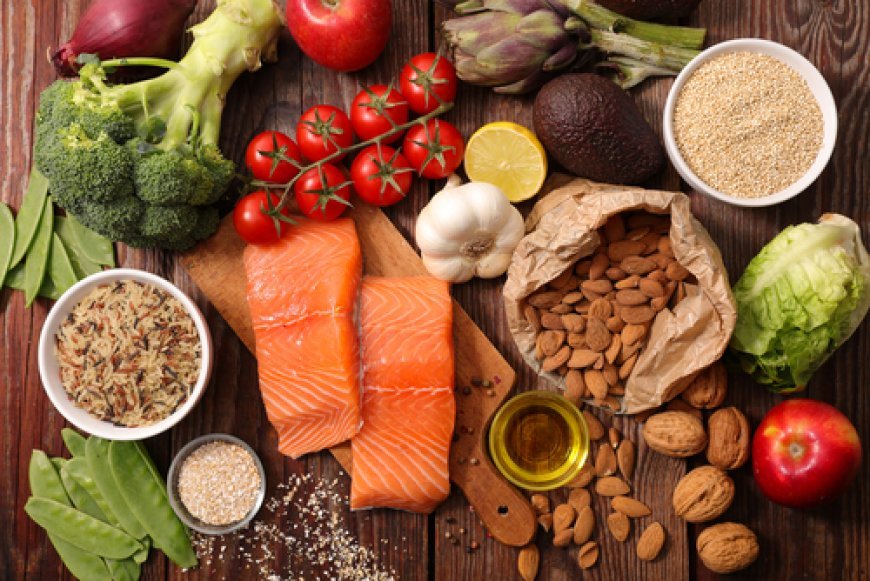
Understanding Nutrition and Diet: A pathway to healh
Understanding Nutrition and Diet: A Pathway to Health and Wellness In today’s fast-paced world, the importance of proper nutrition and a balanced diet cannot be overstated.
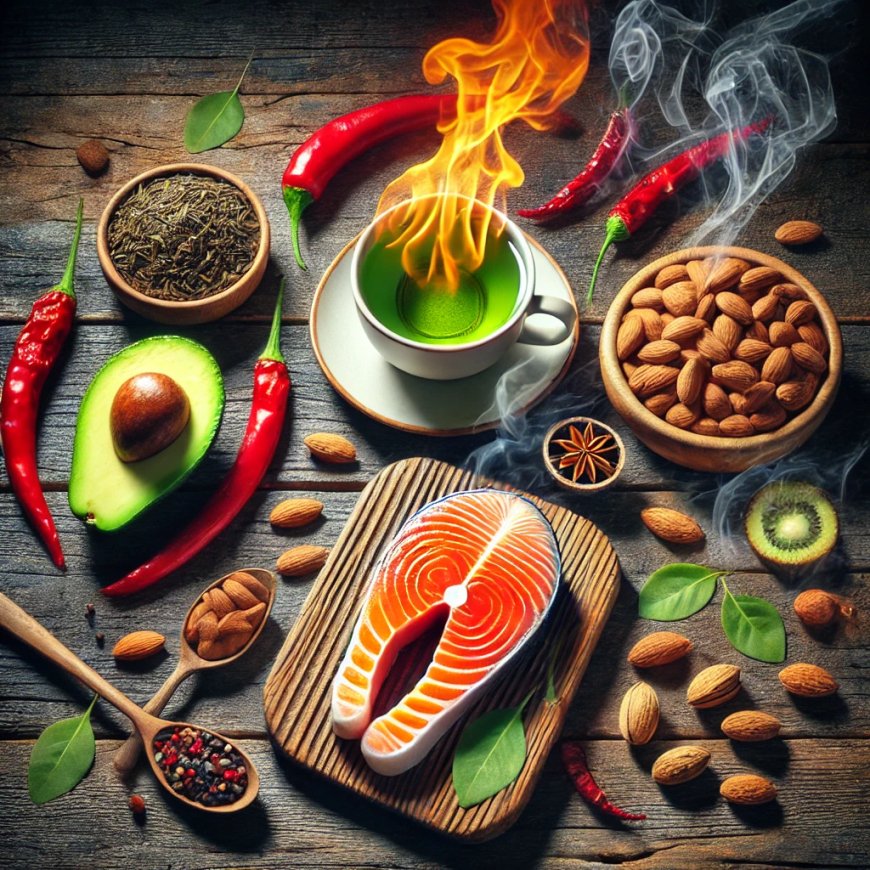
"Kickstart Your Metabolism: 5 Foods to Burn Fat Faster"
Boost your metabolism naturally with fat-burning foods like green tea, chili peppers, and avocados. Learn how these superfoods enhance calorie burning and support weight loss.
Weekly Top Articles

10 Skills That Could Become More Valuable Because of AI
Artificial intelligence is changing the way people work, learn, and build careers. As AI tools become more capable, many people as...

How AI Is Changing the Way People Work in 2026
Artificial intelligence is no longer a futuristic concept reserved for technology companies. In 2026, AI has become a practical pa...

Sauna and Ice Bath: Does Contrast Therapy Actually Work?
Walk into almost any gym this year and you'll see the same scene. Someone sweating it out in a sauna, then stepping straight into ...
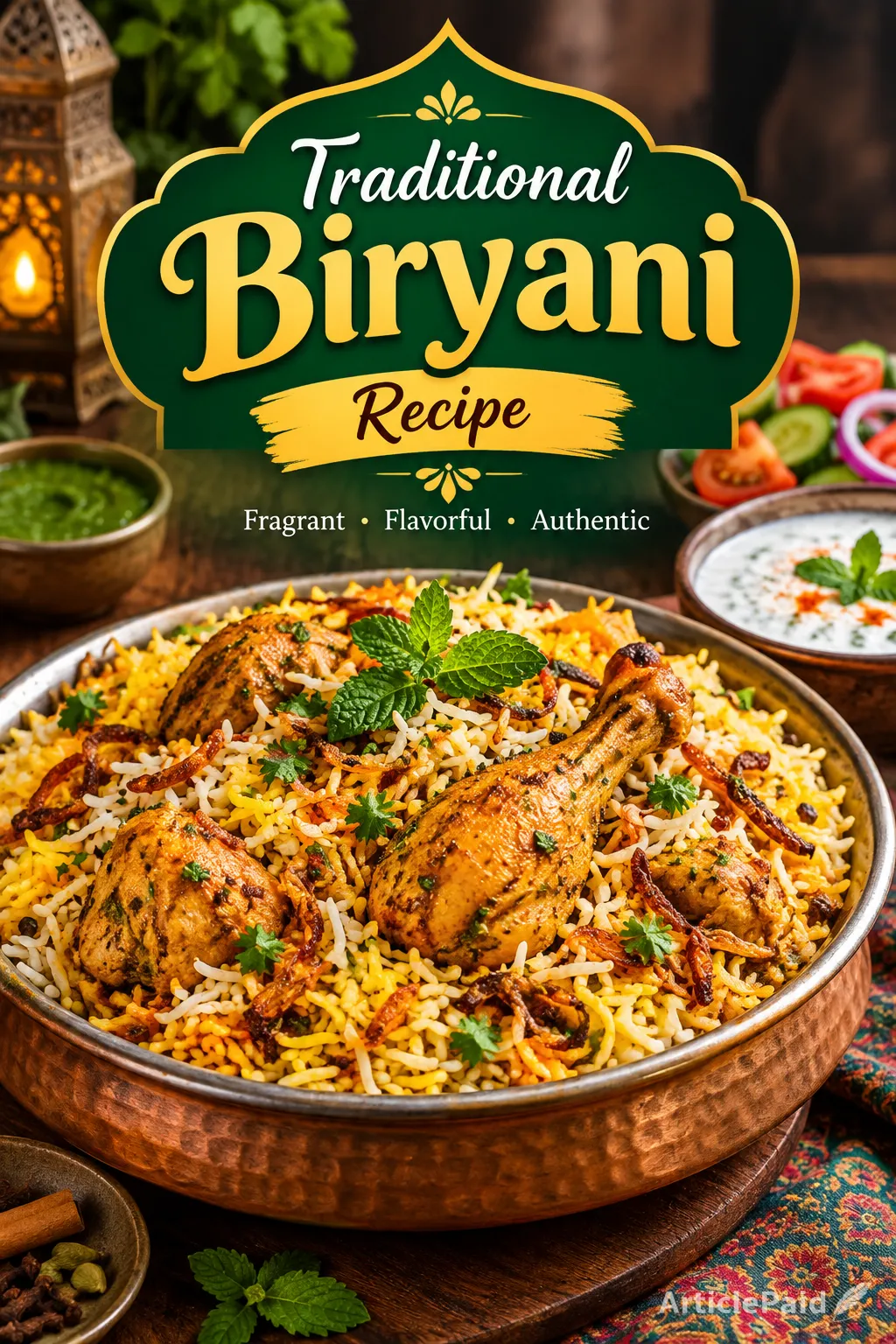
Traditional chicken biryani recipe make and enjoy with family
Chicken Biryani Ingredients**Regarding the chicken:** * 1 kilogram of chopped chicken * One cup of yogu...
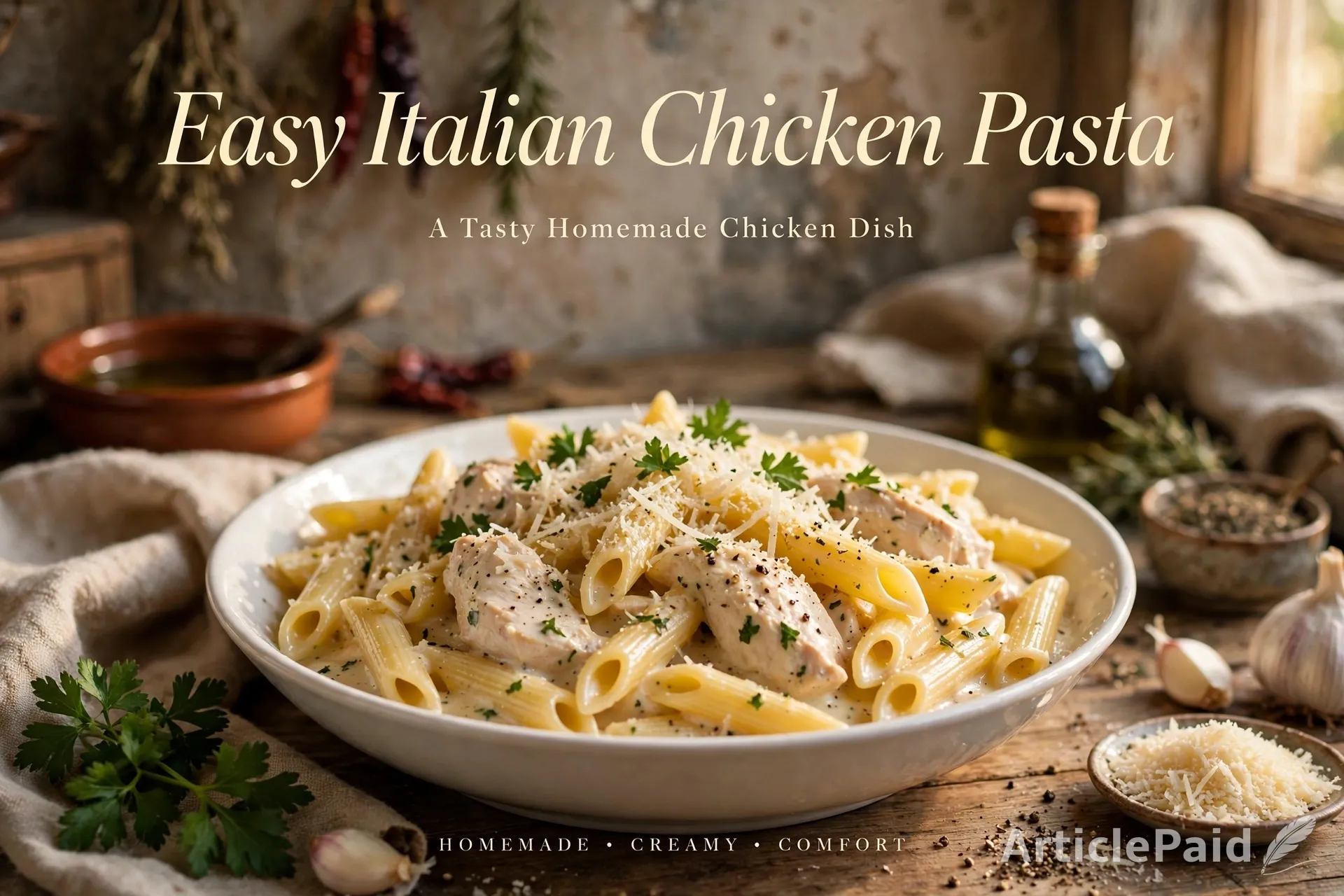
Easy Italian Chicken Pasta: A Tasty Homemade Chicken Dish
Easy Italian Chicken Pasta is a delightful dish made with tender chicken pieces, herbs, and a creamy sauce, and served with al den...

How to use AI Tools for Freelancing: Beginner’s Guide
IntroductionArtificial Intelligence (AI) tools are beneficial for freelancers as they simplify and automate work processes. Users ...








Responses (0)
Sign in to share your thoughts.
Sign in