
Introduction
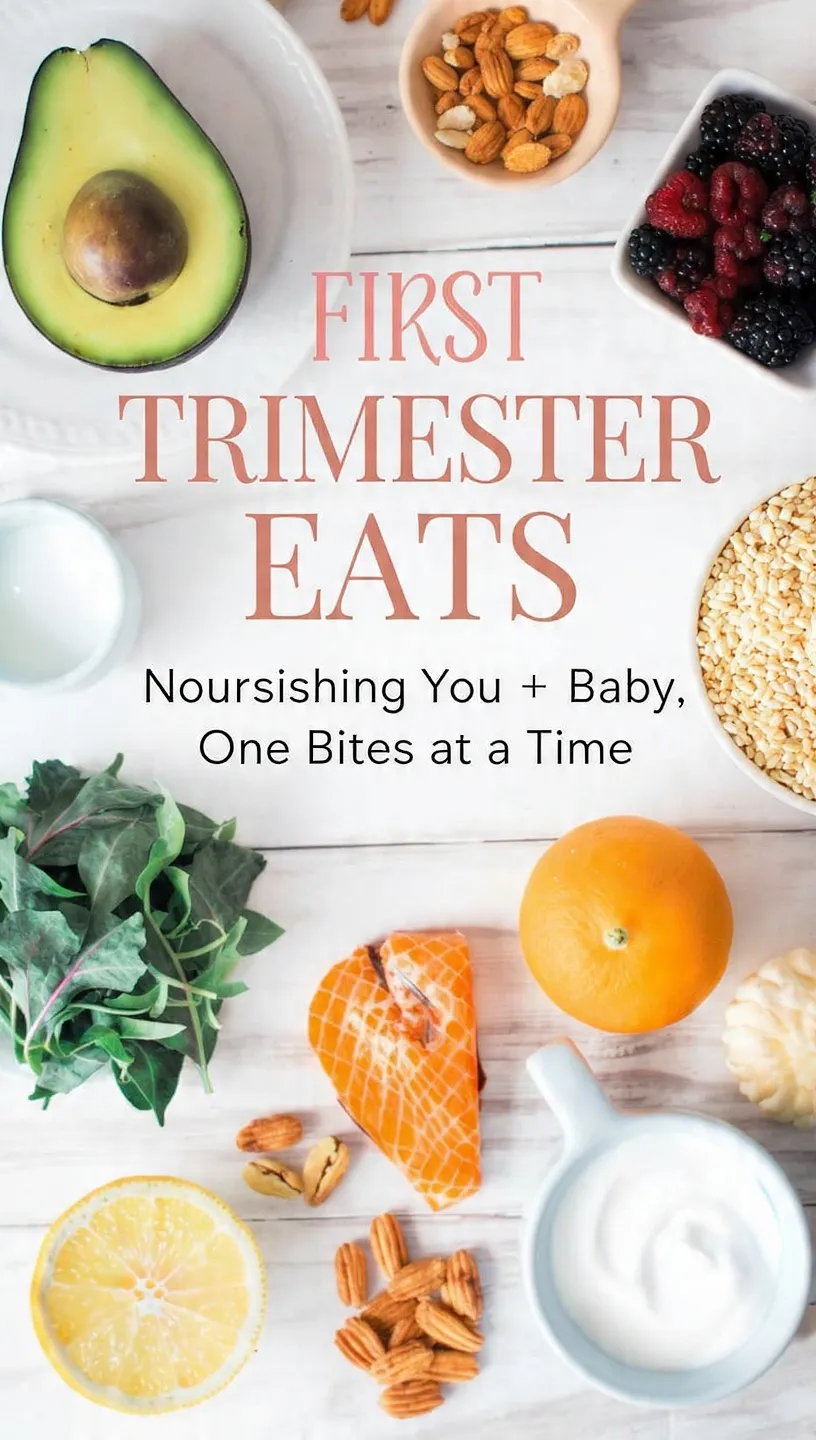
Finding out you are pregnant is one of the most life-changing moments a woman can experience. Along with the excitement comes a flood of questions — and one of the biggest is: what should I eat now? The first trimester, which covers weeks one through twelve, is a critical window. Your baby's brain, spine, heart, and major organs begin forming during these early weeks. This means starting small and staying consistent.
Pick one change per week instead of changing everything at once. Add a fruit to breakfast. Swap white bread for whole grain. Keep a water bottle by your side.
It's not necessary to eat flawlessly every day. Some days you will crave chips. Some days only toast will sound good. That is normal. What matters most is the overall pattern, not one meal.
Your plate is your power. Use it to build a healthy pregnancy, one choice at a time.
Why the First Trimester Diet Matters So Much
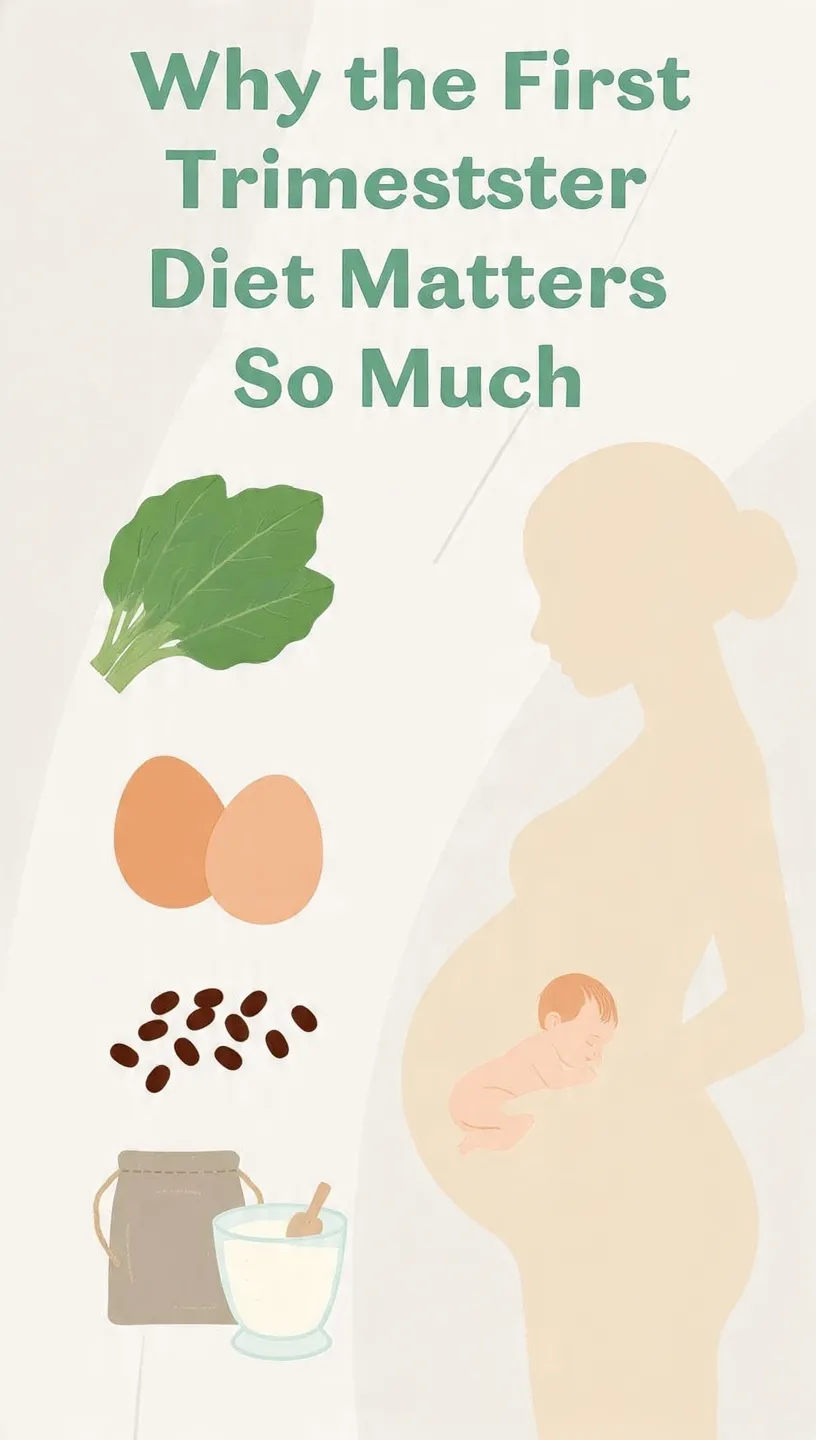
Many women do not even know they are pregnant until week five or six — yet the baby's neural tube, which develops into the brain and spinal cord, closes by week six. This means your nutritional status in the very early weeks matters enormously, often before you have had your first prenatal appointment.
A well-balanced first trimester diet reduces the risk of birth defects, supports healthy weight gain, fights fatigue, and helps manage common early pregnancy symptoms like nausea and constipation.
Key Nutrients You Need in the First Trimester
Folate and Folic Acid
Folate is the MVP of early pregnancy. It helps prevent neural tube defects like spina bifida. Most doctors suggest 400 to 600 mcg of folic acid daily, starting even before you conceive.
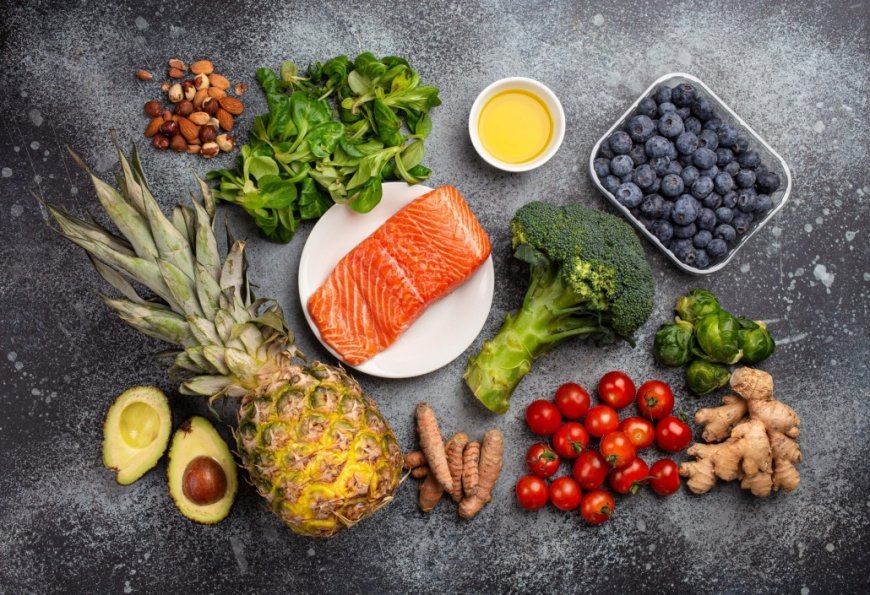
Get it from : Lentils, spinach, chickpeas, fortified cereals, broccoli, and oranges.
Iron
Your blood volume jumps up during pregnancy. Iron carries oxygen to your baby. Low iron means anemia and constant fatigue.
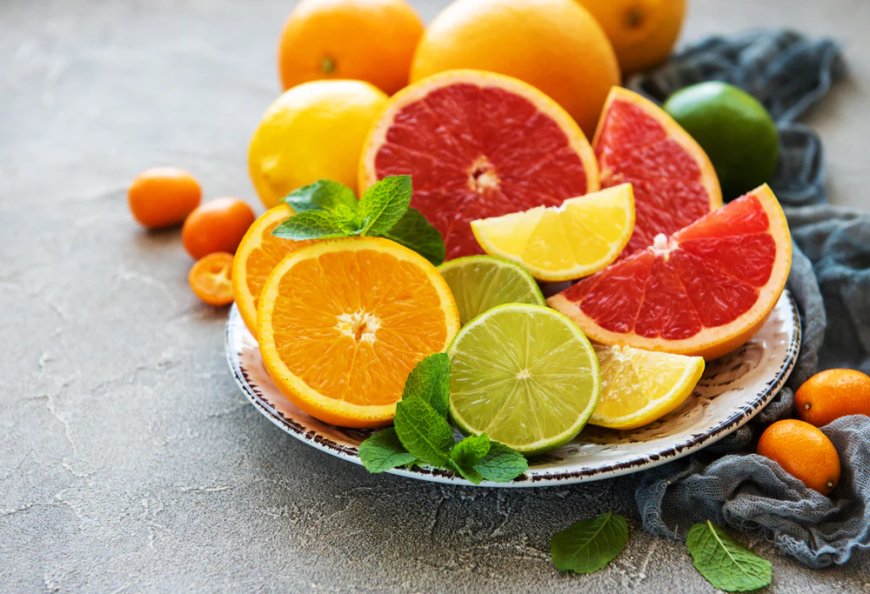
Get it from: Red meat, chicken, eggs, dark leafy greens, beans, and pumpkin seeds. Eat with vitamin C foods like lemon or orange to absorb more iron.
Calcium
Your baby uses calcium to build bones and teeth. If you do not eat enough, your body takes it from your own bones.
Get it from : Milk, yogurt, cheese, almonds, sesame seeds, and fortified plant milks.
Protein
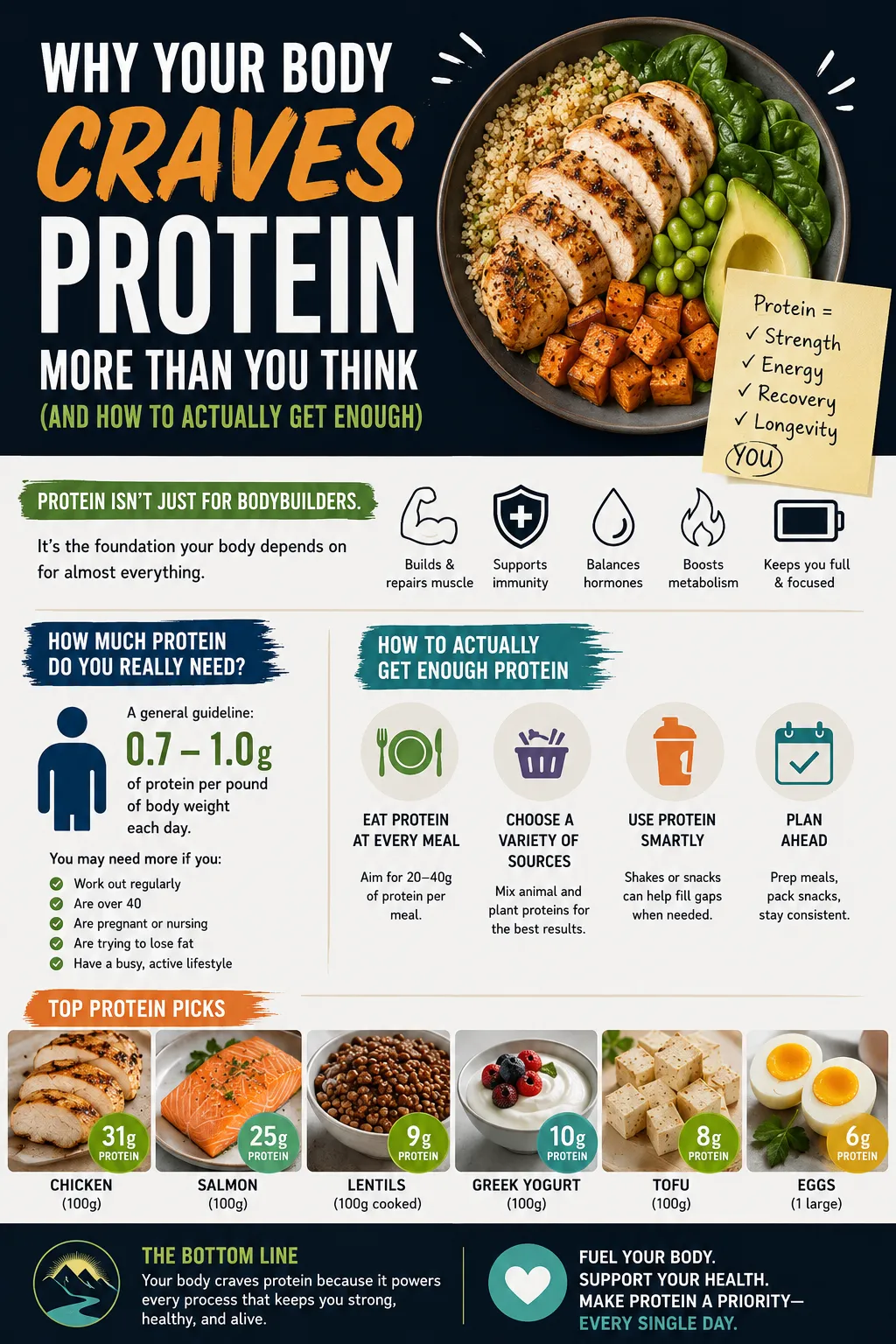
Protein fuels rapid cell growth in the womb. Aim for 70 to 80 grams per day.
Get it from : Eggs, fish, chicken, lentils, tofu, Greek yogurt, and nuts.
Vitamin B6
This one helps calm nausea and morning sickness. It is a lifesaver in the first 12 weeks.
Get it from : Bananas, potatoes, poultry, sunflower seeds, and avocado.
What to Eat Daily — Keep It Simple
You do not need a strict meal plan. Use this balanced plate idea:
Breakfast : Whole grain toast with eggs + fruit. Feeling nauseous?
Eat small, frequent meals instead of 3 big ones. Keep crackers or dry toast by your bed and nibble before you get up.
Try cold foods if smells bother you. Sip water slowly through the day, not all at once. Ginger tea, lemon slices, or a few frozen grapes can settle your stomach.
If only one food sounds okay, eat that. Something is always better than nothing in the first trimester.Eat smaller portions every 2 to 3 hours instead of 3 big meals.
An empty stomach often makes morning sickness worse.
Avoided Foods in the First Trimester
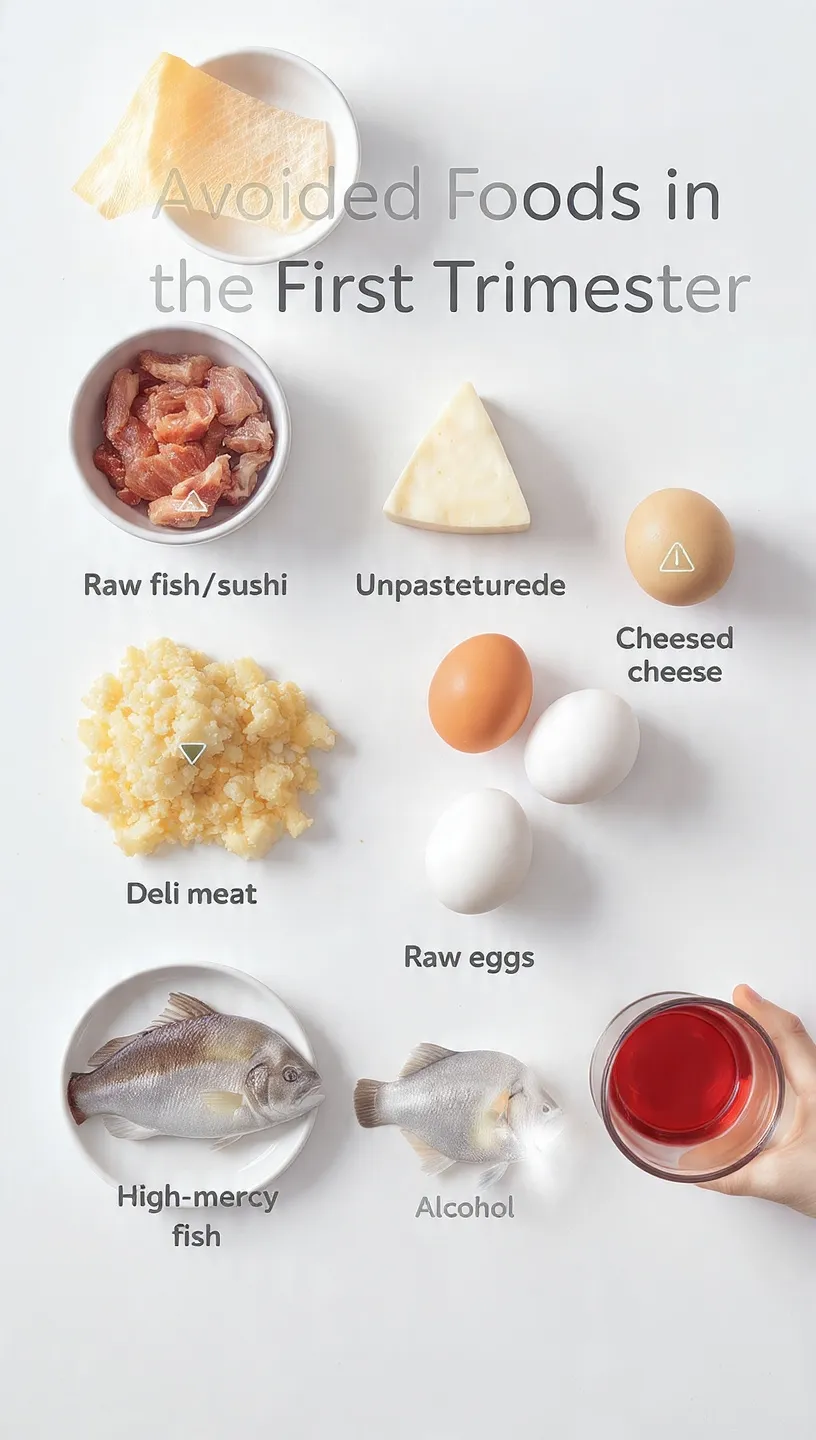
Just as important as what you eat is what you leave off your plate:
Raw or undercooked meat and eggs — risk of salmonella and listeria
High-mercury fish — such as shark, swordfish, and king mackerel
Unpasteurized dairy and soft cheeses — can carry harmful bacteria
Excess caffeine — keep it under 200 mg per day (roughly one cup of coffee)
Alcohol: There is no known safe amount to consume while pregnant.
Processed and junk food — low in nutrients and high in sugar and unhealthy fats
Managing First Trimester Challenges Through Food
Morning sickness: Eat dry crackers or toast before getting out of bed. Ginger tea and lemon water are natural remedies that many women find helpful. Cold foods are often easier to tolerate than hot meals when nausea hits.
Food aversions: Many pregnant women suddenly cannot stand smells or foods they used to love. Do not force yourself. Look for substitute foods that offer the same nutrients.
Constipation: A very common complaint in early pregnancy, often worsened by prenatal vitamins. Your Best Combination: Fibre + Water
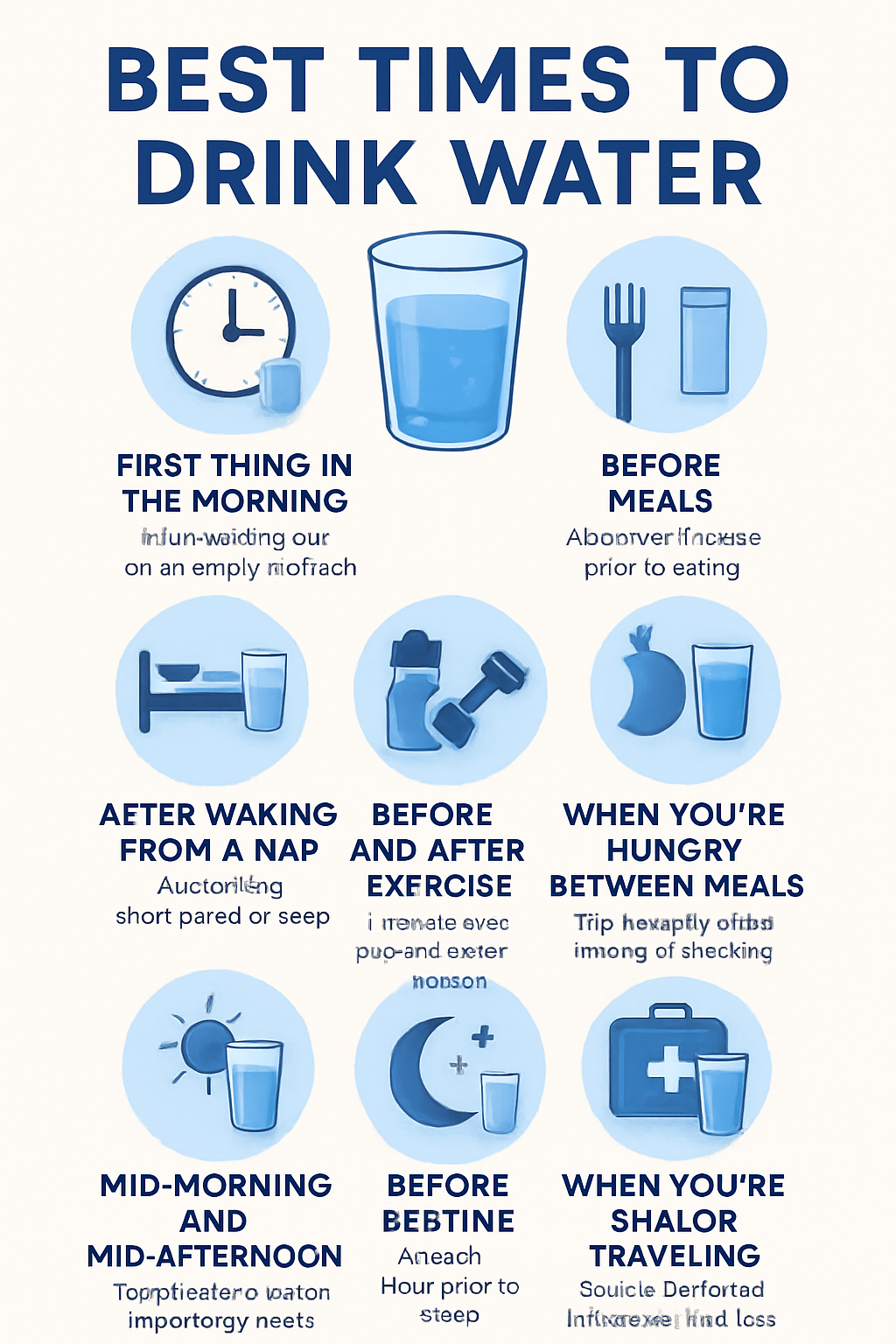
Include fruits, vegetables, and whole grains in your meals. This helps prevent constipation. Sip water throughout the day. Do not wait until you feel thirsty.
Hydration — Do Not Ignore This
In the first trimester your blood volume increases, amniotic fluid starts forming, and your kidneys work harder.
Aim for 8 to 10 glasses of water per day.
If plain water feels boring: Try coconut water, diluted fresh juice, or ginger/chamomile herbal tea. Keep tea and coffee intake low.
Concluding Remarks
Nausea, exhaustion, and dietary aversions can all be overpowering during the first trimester.Take small steps:
1. Whole foods: Choose home-cooked meals
2. A bottle of water: should always be available.
3. Prenatal vitamins: As directed by your physician, take prenatal vitamins daily.
4. Treat yourself: with kindness: Don't feel bad if you can't eat much. You are growing a life. Your body deserves good fuel.
FAQs
Q1:During the first trimester, what food is most important?
Eat folate-rich foods like lentils, spinach, and chickpeas. In the first few weeks they help your baby’s brain and spinal cord form properly.
Q2:If I'm experiencing morning sickness, what should I eat?
Bananas, plain potatoes, simple bread, or dry crackers. Light, easy foods that settle your stomach. Eat small amounts every 2 to 3 hours. To calm your tummy, sip ginger tea.
Q3: If I’m already eating well,doI still need to take prenatal vitamins?
Yes. Food is important, but it is hard to get 100% of folic acid and iron from diet alone. Prenatal vitamins cover the gaps. Doctors recommend them through all 9 months.
Q4: Is fish safe in the first trimester?
Yes, if you pick the right ones. Salmon, sardines, and tilapia are low in mercury and high in omega 3 for baby’s brain. Skip shark, swordfish, and king mackerel. Those have too much mercury.
Q5: Which fruits are best in the first trimester?
Bananas give you quick energy plus potassium to prevent cramps.Oranges for vitamin C and folate. Berries for antioxidants. Mangoes for vitamin A. Avocados for healthy fats. Mix them up and you cover most bases.













Responses (0)
Sign in to share your thoughts.
Sign in