

Writing a resume with no work experience can feel challenging, but a strong resume does not depend entirely on previous employment. Students, recent graduates, career changers, and first-time job seekers can create an effective resume by focusing on education, skills, projects, achievements, volunteer work, and other experiences that demonstrate their potential.
A well-written entry-level resume should clearly show what we can contribute to an employer. Instead of focusing on what we lack, we can highlight transferable skills, relevant knowledge, personal achievements, and practical experience gained through school, training, freelancing, volunteering, internships, or personal projects.
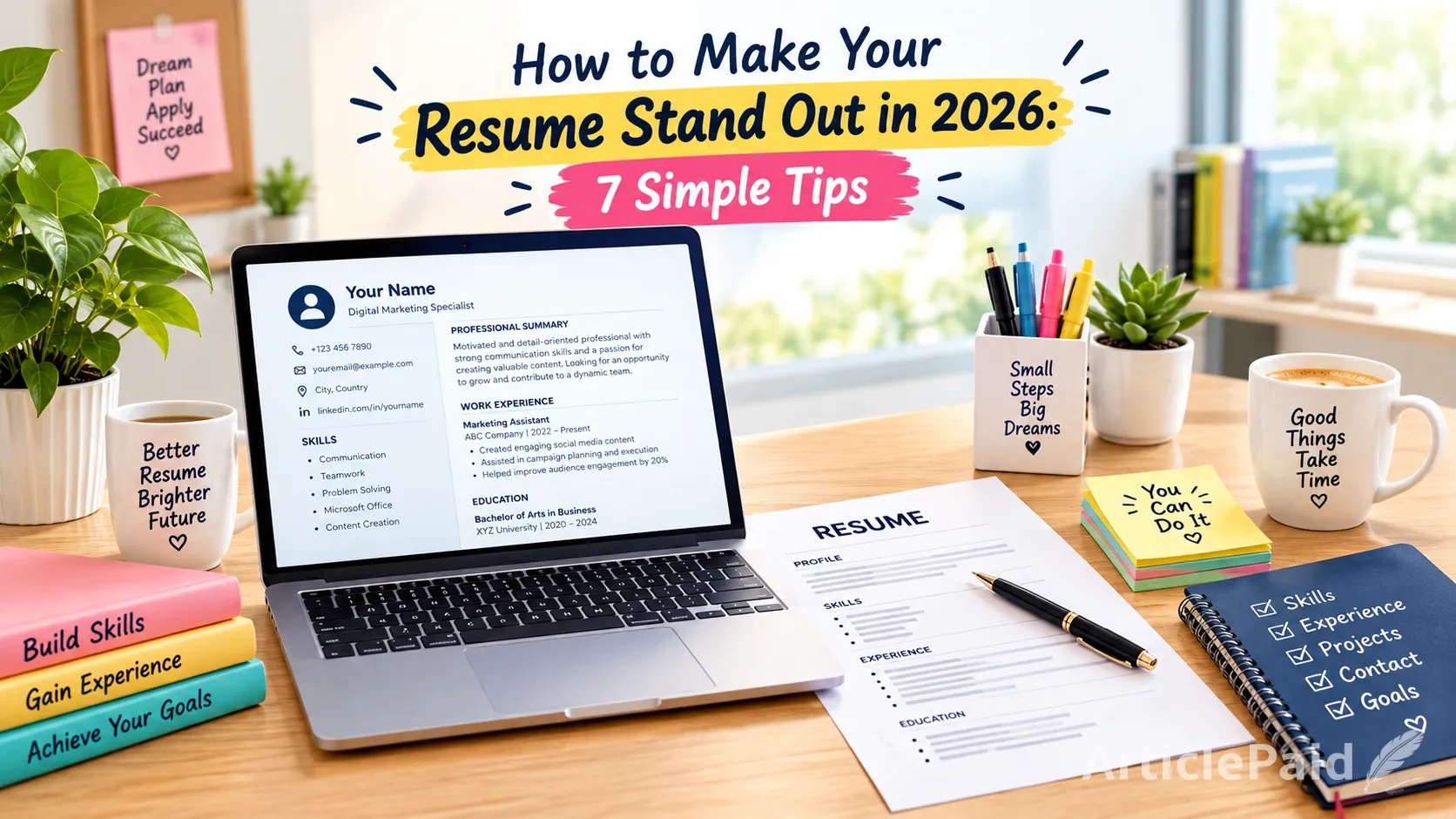
Start With a Strong Resume Header
At the top of the resume, we should include our full name and professional contact information. This section should be simple and easy to read.
Include:
Full name
Phone number
Professional email address
City and country
LinkedIn profile, portfolio, or professional website if relevant
We should avoid unnecessary personal information such as marital status, religion, national identification numbers, or unrelated details.
A professional email address also makes a better first impression than an informal email account.

Write a Professional Resume Summary
When we have no formal work history, the resume summary becomes particularly useful. It gives employers a quick introduction to our background, strengths, and career goals.
For example:
Motivated recent graduate with strong communication, research, and organizational skills. Experienced in academic projects, presentations, and collaborative assignments, with a strong interest in developing a career in digital marketing.
The summary should be specific rather than using vague phrases such as "hardworking person" or "team player." We should connect our skills to the type of position we want.
Highlight Education and Relevant Coursework
For candidates without professional experience, education can become one of the strongest sections of the resume.
List:
Degree or qualification
School, college, or university
Graduation date or expected graduation date
Relevant coursework
Academic achievements
Certifications or specialized training
We can also mention subjects that relate directly to the job.
For example, someone applying for an entry-level marketing position could include coursework such as digital marketing, business communication, consumer behavior, social media marketing, or market research.
If we achieved strong grades, received an academic award, or completed an important research project, we can include those accomplishments as well.
Create a Skills Section That Matches the Job
A skills section is essential for an entry-level resume. However, we should avoid creating a long list of random abilities.
Instead, we should carefully review the job description and identify the skills the employer is looking for.
Hard Skills
Depending on the position, these might include:
Microsoft Office
Google Workspace
Canva
Basic Excel
WordPress
Social media management
Data entry
SEO fundamentals
Basic coding
Research
Content writing
Soft Skills
We can also include relevant interpersonal skills such as
Communication
Time management
Problem-solving
Organization
Collaboration
Adaptability
Attention to detail
The strongest approach is to demonstrate skills through examples rather than simply listing them.

Include Projects and Practical Experience
One of the best ways to write a resume with no work experience is to include projects.
Projects can demonstrate that we have already used our knowledge in practical situations.
For example, a student applying for a web development position might describe a personal website created using HTML and CSS. Someone interested in content writing could mention a personal blog or several writing projects.
A project entry could look like this:
Personal Website Project
Designed and developed a responsive personal website.
Organized website content and created an easy-to-use navigation structure.
Practiced basic HTML, CSS, and responsive design principles.
This type of experience can be valuable because it shows employers what we can actually do.
Add Volunteer Work, Internships, and Extracurricular Activities
Work experience does not have to come from a traditional paid job.
Volunteer work, internships, school organizations, community activities, freelance assignments, and extracurricular projects can all demonstrate valuable abilities.
For example, organizing a university event may demonstrate leadership and planning. Volunteering for a community organization may demonstrate communication and teamwork. Managing a student club's social media account may demonstrate digital marketing skills.
We should describe these activities using action-oriented language and explain the results whenever possible.
Use Strong Action Words
When describing education, projects, or activities, we should use clear action verbs.
Useful examples include:
Created
Organized
Designed
Managed
Researched
Developed
Coordinated
Analyzed
Presented
Improved
Assisted
Prepared
Completed
Led
Instead of writing:
Responsible for a college presentation.
We can write:
Prepared and presented a research project to a class of 30 students, explaining key findings through visual presentations.
The second version provides more information and demonstrates useful skills.
Focus on Achievements Instead of Job Titles
When we have no previous employment, achievements can help demonstrate our potential.
We can mention:
Academic awards
Scholarships
Competition results
Completed certifications
Successful projects
Leadership responsibilities
Publications
Relevant online courses
Volunteer achievements
Whenever possible, we should include measurable information.
For example:
Organized a student event attended by more than 100 participants.
This is more meaningful than
Helped with student events.
Keep the Resume Simple and Professional
For most entry-level candidates, a one-page resume is usually sufficient. We should prioritize information that is directly relevant to the position.
A clean resume structure could be:
Name and contact information
Professional summary
Education
Skills
Projects
Volunteer or extracurricular experience
Certifications
Additional relevant information
We should use consistent headings, readable fonts, appropriate spacing, and bullet points.
Avoid excessive graphics, complicated layouts, spelling mistakes, and large blocks of text.
Optimize the Resume for Applicant Tracking Systems
Many employers use Applicant Tracking Systems (ATS) to organize and screen resumes. Using clear formatting and relevant keywords can make the resume easier for these systems to process.
We should carefully read the job description and naturally include relevant terms when they accurately describe our abilities.
For example, if a job description specifically mentions customer service, Microsoft Excel, communication, and data entry, candidates with those skills can use the same terminology in appropriate sections of their resume.
We should never add skills we do not actually possess simply because they appear in a job advertisement.
Proofread Before Sending the Resume
A single spelling or formatting mistake can make an otherwise strong resume appear careless.
Before submitting, we should check:
Spelling and grammar
Phone number
Email address
Dates
Formatting consistency
Job-related keywords
File name
Bullet-point structure
Saving the resume as a professional PDF can also help preserve its formatting when it is opened on another device, unless the employer specifically requests another file format.
Final Tips for Writing a Resume With No Experience
Having no formal work experience does not mean having nothing valuable to offer. Education, projects, skills, volunteer activities, certifications, and personal achievements can all provide evidence of our abilities.
The most effective entry-level resume focuses on relevance rather than length. We should tailor each resume to the position, emphasize skills supported by real examples, use strong action words, and present information in a clear professional format.
Most importantly, we should avoid apologizing for having no experience. Instead, the resume should communicate what we have learned, what we have accomplished, what skills we can offer, and how we are prepared to contribute.
With a focused structure and carefully selected information, we can create a professional resume that presents our potential confidently—even when we are applying for our very first job.
If you want, the article can also be adapted into a 600–800-word version specifically optimized for a publishing website, with a focus keyword, SEO title, meta description, URL slug, and FAQ section.













Responses (0)
Sign in to share your thoughts.
Sign in