McDonald's Egg McMuffin or Filet-O-Fish: Which is Healthier?


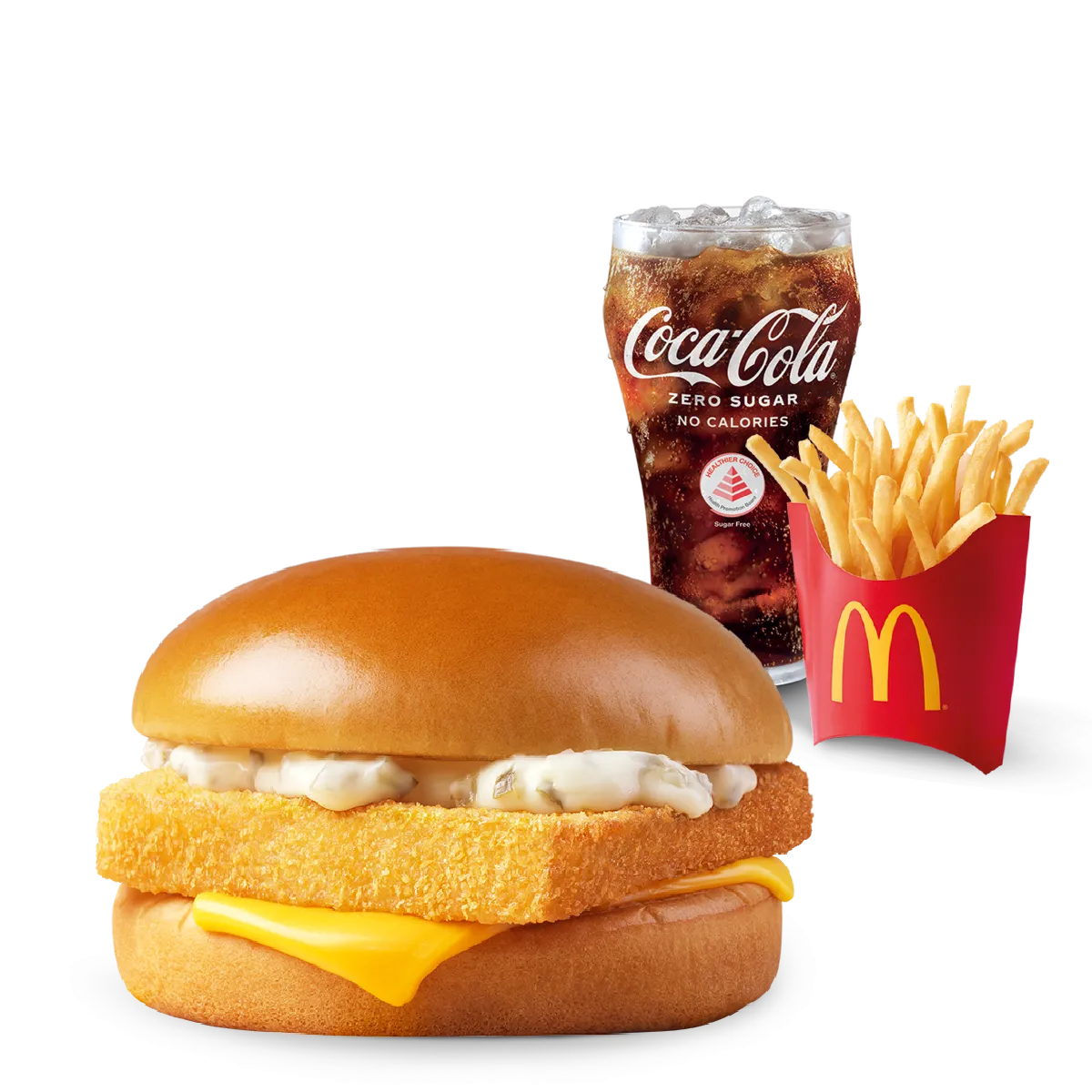
If you're at McDonald's, you may be wondering which options are better for you. The Filet-O-Fish and the Egg McMuffin are two popular choices.
The former is a breaded fish patty with cheese and tartar sauce, while the latter is an English muffin topped with eggs, Canadian bacon, and cheese.
The protein and other nutrients in both sandwiches are different, as are the calories, fat, carbohydrates, and sodium content. The question then becomes: which one is healthier? Here is a comparison of the nutritional value of the Filet-O-Fish versus the Egg McMuffin.

Fat, calories, and carbs are all higher in Filet-O-Fish.
Calories, fat, and carbohydrates are all higher in the Filet-O-Fish sandwich compared to the Egg McMuffin. There are seventy more calories, six more grams of fat, and eight more grams of carbohydrates in a Filet-O-Fish.
These additional calories and nutrients may not seem like much, but they can build up if you eat at McDonald's often. A lower-calorie option, such as the Egg McMuffin, can be a good choice for people who are watching their calorie intake.
Although both sandwiches have more than two servings of carbs, those who are controlling their blood sugar levels may find the Egg McMuffin to be a better choice. It's a better option for those watching their blood sugar levels because it has fewer carbohydrates and somewhat more protein.

Although the Egg McMuffin has more saturated fat—the kind of fat most strongly associated with raising levels of "bad" LDL cholesterol—the Filet-O-Fish has far more overall fat.3
Sodium Levels Are Higher in the Egg McMuffin.
Sodium maintains normal neuron activity and controls blood volume, two of its crucial functions in health. Sodium is present in many foods in their natural forms, such as fruits and vegetables; however, added salt is a major contributor to sodium intake.4
A daily salt intake of less than 500 milligrams is all your body needs for normal function. Regrettably, the typical American consumes 3,400 mg of sodium daily, which is significantly higher than what the body requires.5
Hypertension, cardiovascular illness, stroke, and bone diseases including osteoporosis are all associated with sodium excess. This is why health groups have established recommended salt intakes. For adults, the recommended daily allowance (DV) of sodium is below 2,300 milligrams.6

If you eat just one Egg McMuffin every day, you will have consumed more than half of the recommended daily allowance for salt (66% of the DV). Cutting back on fast food will help reduce your salt intake overall because most fast food items are high in sodium.















Responses (0)