

Introduction
Mental health is an important part of our overall well-being. It affects how we think, feel, behave, and interact with other people. Good mental health helps us manage stress, make better decisions, and enjoy life. Just like physical health, mental health also needs care and attention. Everyone experiences difficult emotions sometimes, but learning how to manage them can make life easier and healthier.
1. Importance of Mental Health
Mental health plays an important role in our daily lives. It helps us stay emotionally balanced, face challenges, and build healthy relationships. When we take care of our mental health, we can concentrate better on our studies, work, and personal goals. It also helps us understand our emotions and respond to difficult situations calmly.

2. Manage Stress and Anxiety
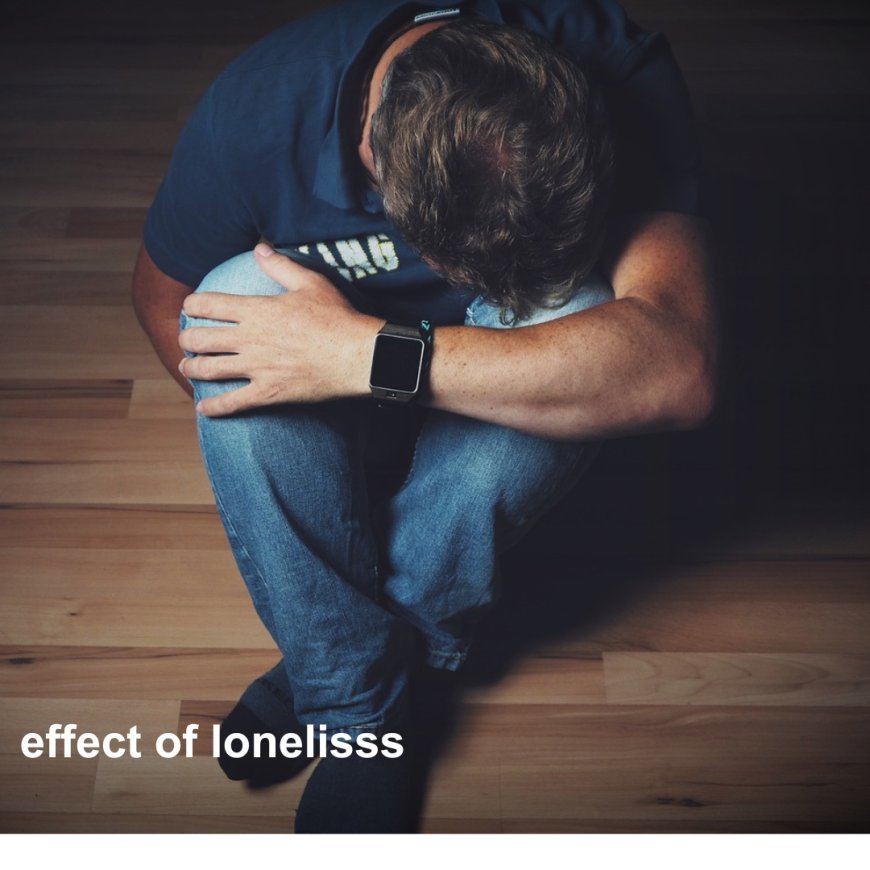
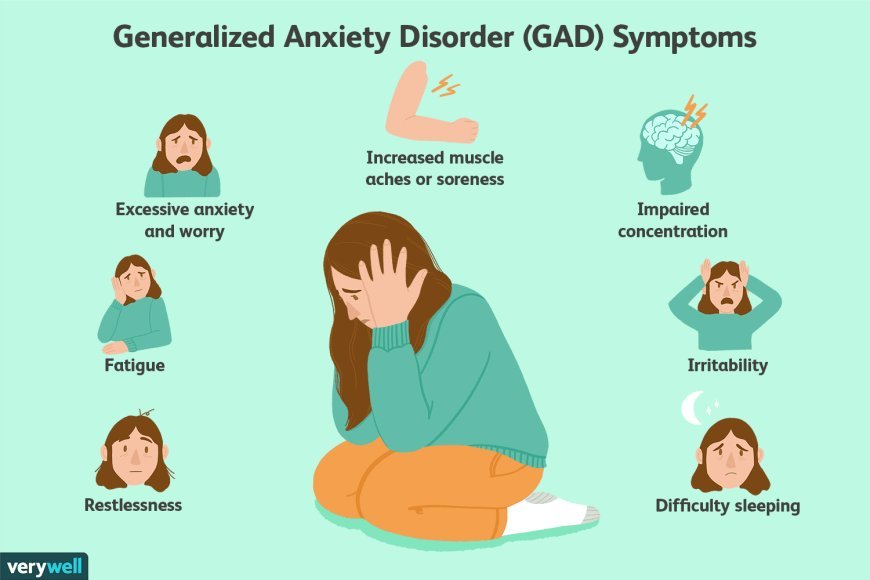
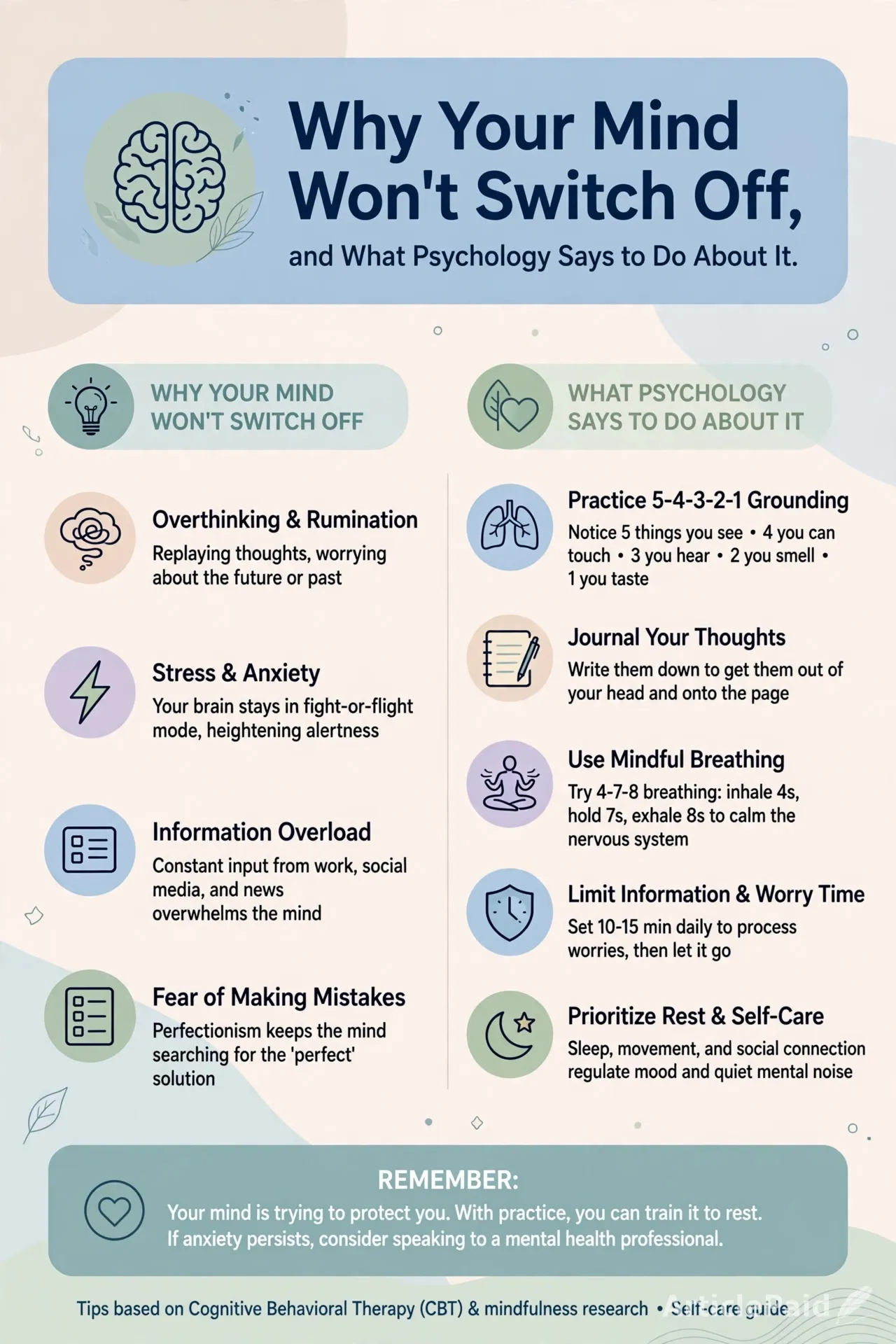
Stress and anxiety are common experiences in modern life. Too much stress can affect our sleep, mood, and ability to concentrate. We can manage stress by practicing deep breathing, taking short breaks, listening to relaxing music, and spending time in nature. Sharing our feelings with someone we trust can also help us feel supported and understood.
3. Maintain Healthy Relationships
Healthy relationships can improve our mental well-being. Family members, friends, and trusted people can provide love, encouragement, and emotional support. Talking openly about our feelings helps build trust and understanding. We should also respect other people's emotions and maintain healthy boundaries in our relationships.

4. Develop Healthy Daily Habits
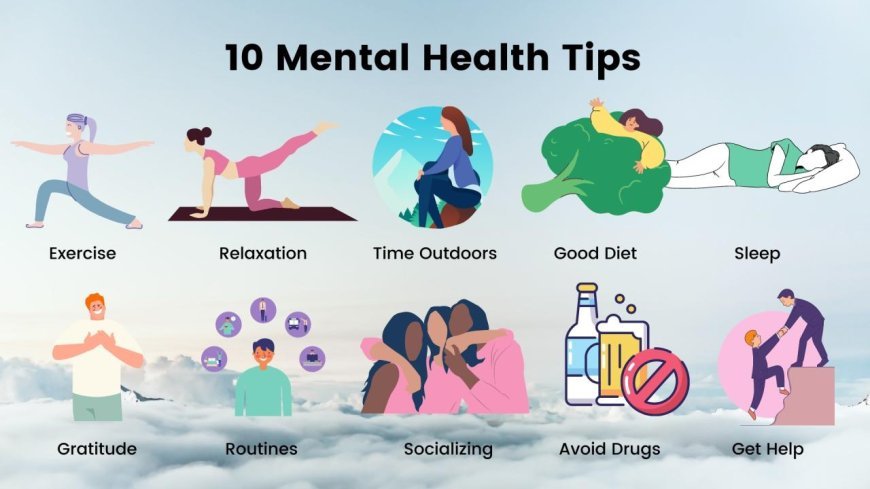
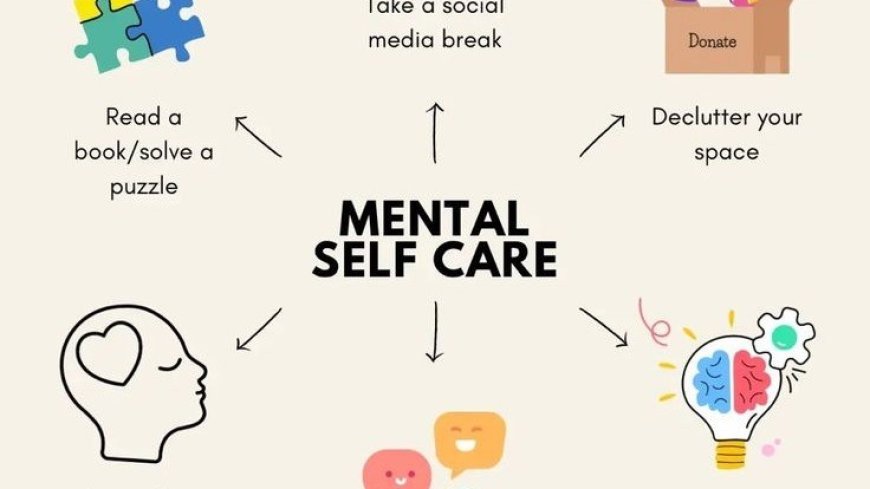
Healthy habits can support both the mind and body. Getting enough sleep, eating balanced meals, exercising regularly, and drinking enough water are important for overall well-being. Spending time on hobbies, reading books, and taking breaks from screens can also help us feel refreshed. Small positive habits practiced every day can make a meaningful difference over time.

5. Seek Professional Help When Needed
Sometimes, stress, sadness, or anxiety can become difficult to manage alone. Speaking with a psychologist, counselor, or other qualified mental health professional can provide helpful guidance. Asking for help is not a weakness; it is a positive step toward recovery. If emotional difficulties continue or interfere with daily life, professional support can help us understand our feelings and find effective ways to cope.
Conclusion
Mental health is just as important as physical health. By managing stress, building supportive relationships, following healthy habits, and seeking help when necessary, we can improve our emotional well-being. We should treat ourselves and others with kindness, patience, and understanding. Taking care of your mind is an important step toward living a happier, healthier, and more balanced life.


















Responses (0)
Sign in to share your thoughts.
Sign in