How Your Daily Cup Can Help You Live a Longer and Healthier

When we look at global statistics, an interesting correlation emerges: heavy coffee-consuming nations consistently rank high in life expectancy. Take Luxembourg, the undisputed global champion in coffee consumption, where citizens drink an astonishing average of nearly 15 kilograms of coffee per person annually—roughly translating to 6 cups every single day. Factoring in that a portion of the population (such as young children) does not consume coffee at all, the daily intake among regular coffee drinkers is even higher.
Simultaneously, Luxembourg ranks 13th globally in life expectancy, with an average lifespan of 82.3 years. Looking further down the list, other nations renowned for high life expectancies—such as Canada, Switzerland, Norway, Denmark, Iceland, Italy, France, and Australia—all comfortably sit among the top 25 global coffee consumers. While coffee is certainly not a magical elixir for eternal youth, the statistical correlation between high coffee consumption and longevity is hard to ignore.
More Than Just Caffeine: What Is Inside Your Cup?
Beyond the cozy morning ritual and the comforting aroma, coffee is a complex chemical matrix packed with bioactive compounds. It contains an impressive array of antioxidants, Vitamin B2 (riboflavin), Vitamin B3 (niacin), Vitamin B5 (pantothenic acid), manganese, potassium, and magnesium.
Athletes, in particular, can leverage coffee as a natural performance enhancer. The natural caffeine content has been shown to boost physical performance and endurance by up to 11% by mobilizing fatty acids from fat tissues and increasing adrenaline levels in the blood.
Cognitive Enhancement and the "Caffeine Dip"
It is scientifically proven that a cup of coffee enhances alertness, focus, and cognitive efficiency. However, this effect is not instantaneous. Shortly after consumption, some individuals experience a mild, short-term physiological slump. Only after the caffeine is properly absorbed into the bloodstream do we experience the true cognitive surge, improved concentration, and sharper mental clarity.
Metabolism and Weight Management
Coffee acts as a natural metabolic booster, promoting thermogenesis and helping the body burn calories more efficiently. However, this benefit applies strictly to black coffee—consumed without sugar, syrups, or heavy creamers. Adding high-calorie additives completely alters the metabolic impact of the beverage.

Protection Against Major Chronic Diseases
When it comes to long-term health outcomes, scientific research highlights remarkable preventative benefits associated with regular, moderate coffee intake:
Type 2 Diabetes: Studies indicate that regular coffee consumption can reduce the risk of developing Type 2 diabetes by up to 67%.
Neurodegenerative Disorders: Coffee consumption is linked to a lowered risk of Alzheimer’s disease by up to 65%, with multiple studies also confirming a reduced incidence of Parkinson’s disease among regular coffee drinkers.
Cardiovascular Health: Although it might seem counterintuitive, regular coffee drinking helps stabilize and lower blood pressure over the long term. While an acute spike in blood pressure can occur immediately after a cup, habitual consumption is associated with up to a 20% reduction in the risk of stroke.
The Art of Preparation: How to Extract the Best Flavor and Health Benefits
Not all cups of coffee are created equal. The brewing method significantly impacts both the taste profile and the chemical composition of your beverage:
Lever Espresso Machines: For exceptional flavor, a lever or pump-driven espresso machine is hard to beat. You do not need an excessively expensive commercial setup; what matters is the ability to brew espresso under approximately 15 bars of pressure for roughly 20 seconds with water heated to about 90°C.
Pod and Capsule Machines: Capsule systems offer convenience and consistent taste, but they can become quite expensive over time due to manufacturing overhead. Eco-friendly alternatives, such as refillable stainless steel or reusable pods, offer a much more sustainable and cost-effective route.
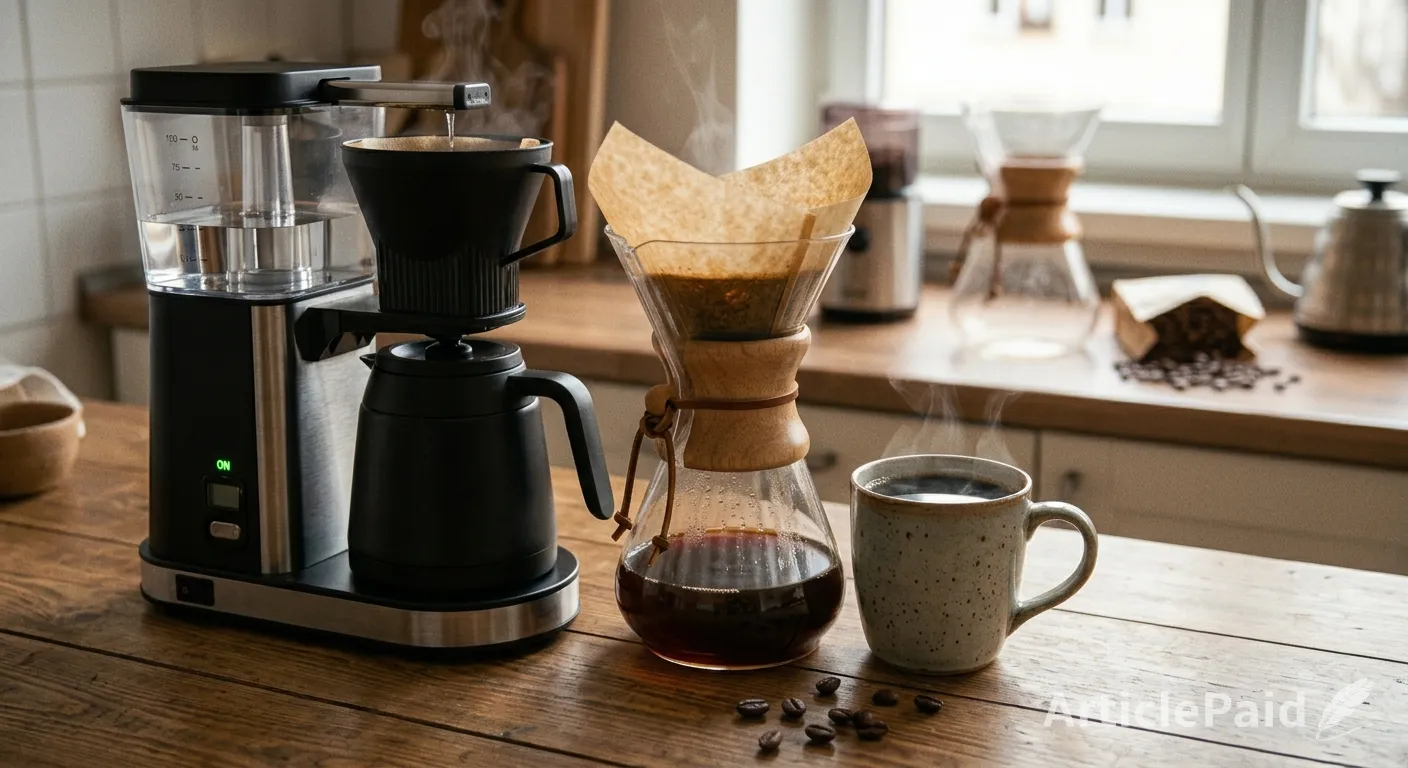
Filter and Drip Coffee (The Healthiest Choice): Filtered or pour-over coffee is widely considered the healthiest preparation method. The paper filter successfully traps cafestol and kahweol—compounds found in unfiltered coffee that can raise LDL cholesterol levels. By using a filter, you minimize harmful lipid compounds while enjoying the antioxidants. The flavor tends to be cleaner and lighter since it is not brewed under pressure.
Instant Coffee: Soluble or instant coffee can vary wildly in quality depending on the manufacturing process. Freeze-drying is the most time-consuming but preserves the best flavor and natural profile. Unfortunately, many industrial manufacturers rush the process using heat to cut costs, stripping the coffee of its natural profile and adding artificial foaming agents. Drinking low-quality instant coffee yields very few health benefits.
Alternative Methods: Methods such as the Moka pot, Turkish cezve, French press, and AeroPress are less common in certain regions but offer unique flavor profiles and extraction characteristics that are well worth exploring.
Conclusion: Moderation Is Key
For a healthy individual, regular coffee consumption can be a powerful ally for overall wellness and longevity. Like most things in life, moderation is essential: enjoying 3 to 4 cups of quality coffee daily can safely provide maximum health benefits without overworking your system. Listen to your body, appreciate the ritual, and drink to your health!











Responses (0)