
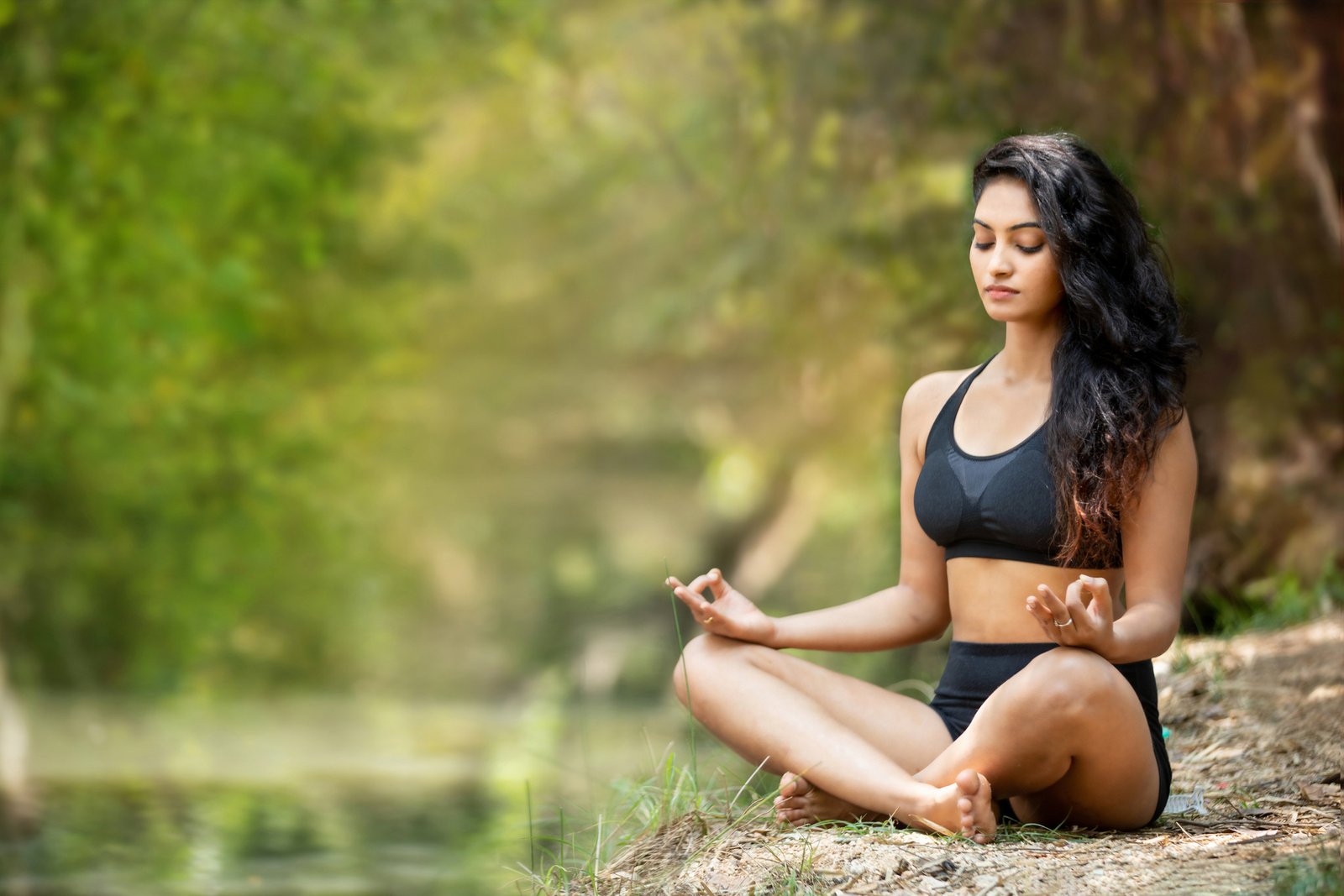

Pixabay
On this page you will get information about
"In our fast-paced, digital world, it's easy to feel overwhelmed by stress, anxiety, and a constant stream of thoughts. Mindfulness and meditation offer a way to slow down, find calm, and reconnect with yourself. While they are often used together, they are two different concepts that can make a big difference in your mental health.
What Is Mindfulness?
Mindfulness is simply the practice of paying attention to the present moment without judgment. It's about noticing what's happening right now—the sounds you hear, the feeling of the chair under you, or the thoughts running through your head—without labeling them as "good" or "bad." It's a way of being fully aware and engaged in the present, rather than getting lost in worries about the future or regrets about the past.
How it helps: By practicing mindfulness, you train your brain to stop getting caught in unhelpful thought spirals. You learn to observe your thoughts and feelings as temporary "mental events" rather than as facts that define you. This creates a little bit of space between you and your reactions, giving you a chance to respond to life's challenges more calmly.
What Is Meditation?
Meditation is a formal practice designed to cultivate mindfulness. It's a structured exercise for your mind, just like going to the gym is a workout for your body. The most common form is mindfulness meditation, where you sit quietly for a set amount of time and focus your attention on a single anchor, like your breath.
How it helps: Meditation builds your focus "muscle." When your mind wanders (which it will, constantly!), the practice is to gently bring your attention back to your anchor. This repetitive act of returning your focus makes you better at staying present and centered in your daily life.
Simple Practices to Get Started
You don't need to be a guru or sit in a special position for hours. Even a few minutes a day can make a difference.
1. Mindful Breathing (for meditation)
This is the most basic and powerful meditation technique for beginners.
Find a comfortable spot. Sit in a chair with your feet on the floor or on a cushion on the ground. Keep your back straight but not stiff.
Set a timer. Start with just 3-5 minutes. You can always increase the time later.
Focus on your breath. Close your eyes or let your gaze soften. Pay attention to the sensation of the air entering your nose and filling your lungs. Notice your chest or belly rising and falling.
When your mind wanders, gently bring it back. Acknowledge the thought that distracted you without judgment, and then return your focus to your breath. That's it. That's the whole practice.
2. Mindful Listening (for everyday mindfulness)
This is a great way to practice mindfulness while you're doing other things.
Listen to a song you love, but with full attention. Don't check your phone or do anything else. Notice the different instruments, the lyrics, and the emotions the music brings up.
Listen to a conversation. Instead of just waiting for your turn to talk, focus entirely on what the other person is saying. Listen for the meaning behind their words and the tone of their voice.
Common Misconceptions to Leave Behind
"I have to clear my mind of all thoughts." This is the biggest myth! It's impossible to stop thinking. The goal of meditation isn't to have a blank mind; it's to notice your thoughts without getting swept away by them.
"I'm bad at this because my mind wanders." Everyone's mind wanders—even experienced meditators. The act of noticing it and coming back is the entire point of the practice. There's no "failure" in meditation.
"It's just for hippies or spiritual people." While mindfulness has roots in ancient traditions, modern science has proven its benefits for mental and physical health. It's a skill, not a religion.
"It's a quick fix." Mindfulness and meditation are like going to the gym for your mind. You won't see a huge change after one session. The benefits come from consistency and patience over time.
By starting small and being kind to yourself, you can begin to experience the profound benefits of mindfulness and meditation. It's a simple, but powerful, way to take care of your mental well-being every single day.





















Responses (0)
Sign in to share your thoughts.
Sign in