
Preface
Where did I put my keys? What did I eat yesterday? If these questions pop into your head 3-4 times a day, you’re not alone. After 40, it’s normal for the brain to slow down a bit.But the good news is, you can slow this down.
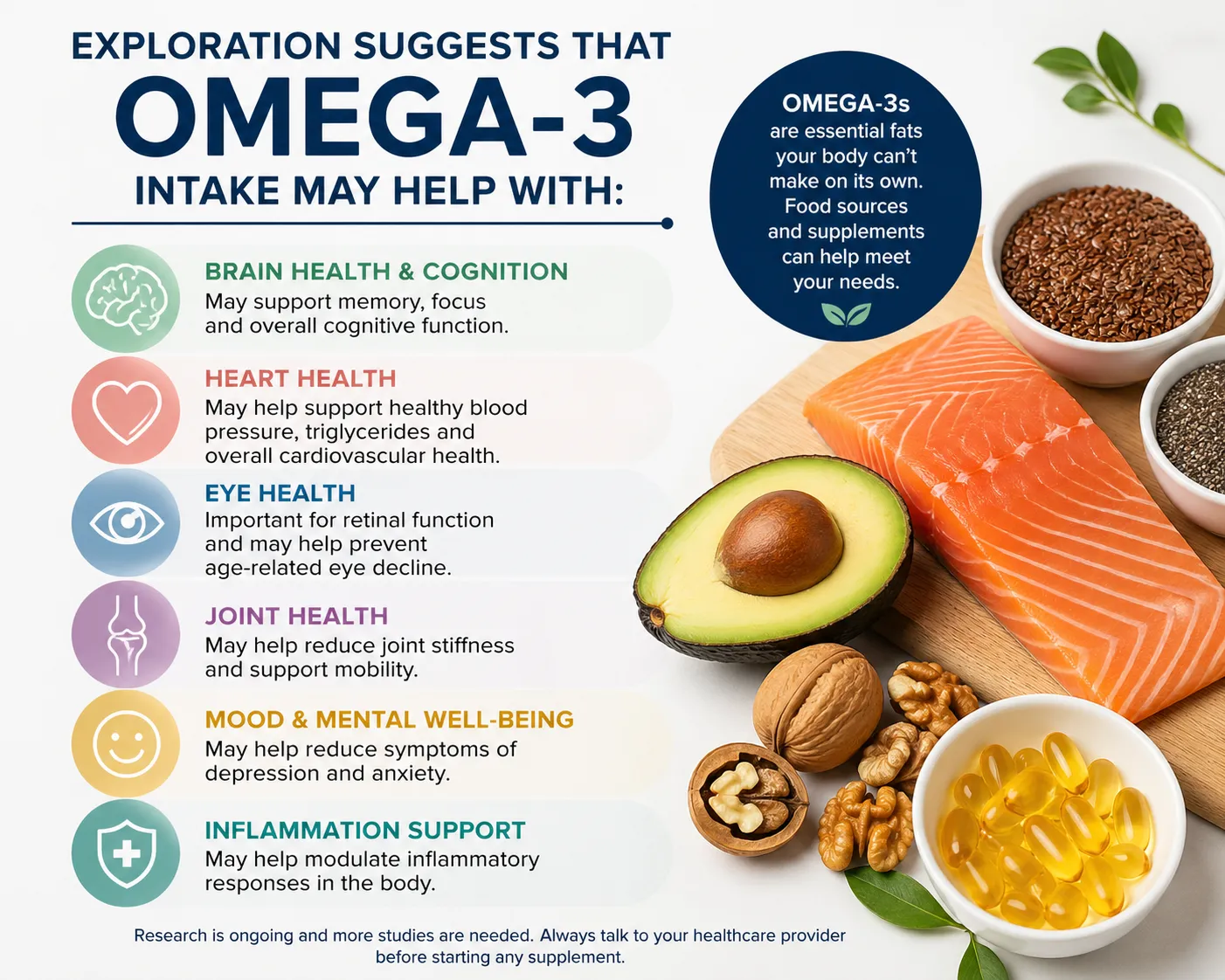
Your body is smart, but it can’t whip up Omega-3 on its own. You’ve got to get it from food or a supplement — that’s it. And studies show they make a real difference for memory, focus, and thinking speed. Taken daily through food or a capsule, they strengthen brain cells, help them “talk” to each other better, and can delay the kind of forgetfulness that comes with age. Plus, they keep your heart healthy, which means better blood flow to your brain. The result? Clearer thinking and a sharper memory.
Omega-3 Is Fuel for Your Brain
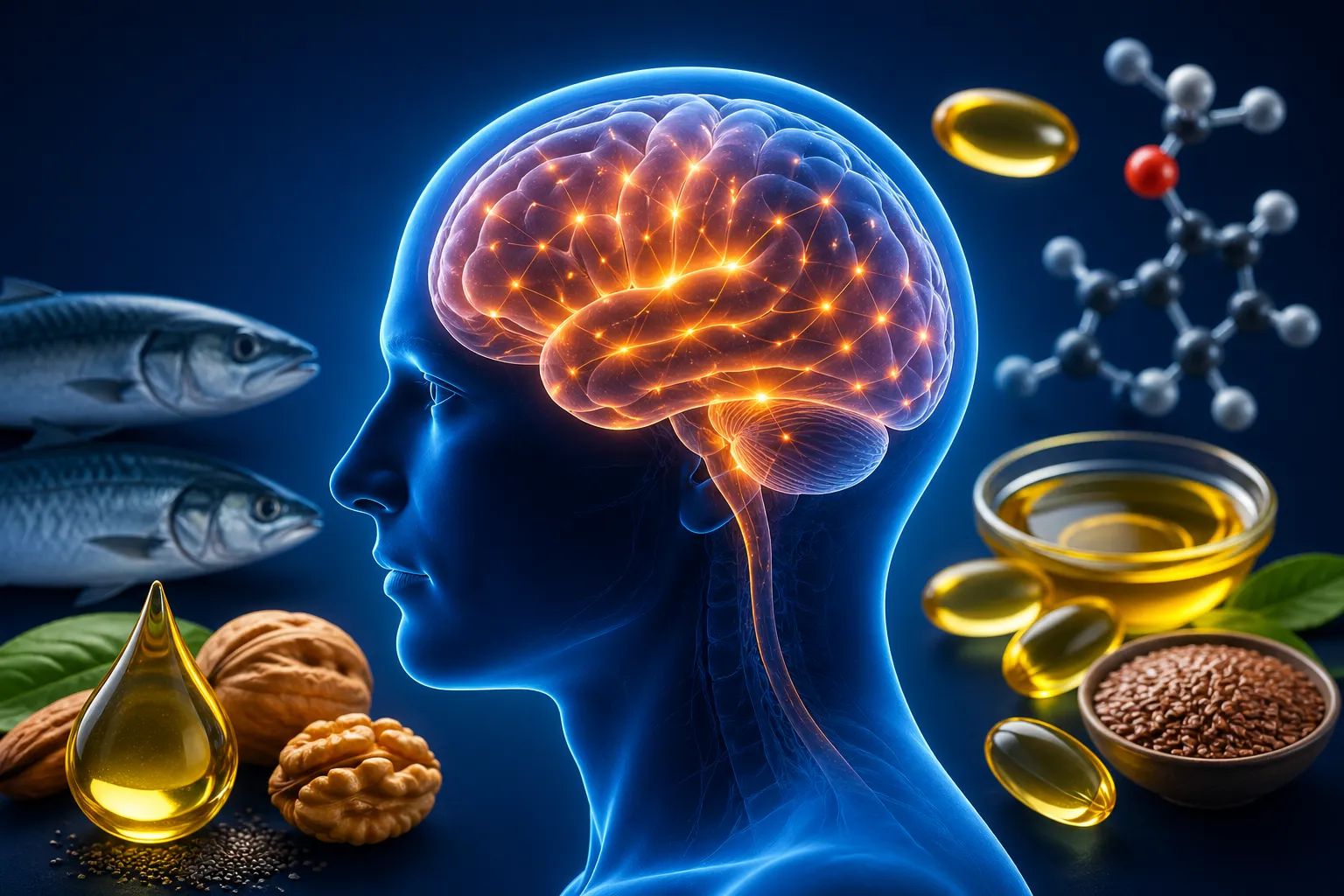
Your brain is about 60% fat. And much of that fat is made up of DHA, a type of omega-3. Think of it like this: if your brain is an engine, DHA is the premium oil that keeps it running smooth.
As we get older, brain cells get a little weaker. The “conversations” between them slow down. That’s why names slip your mind, or you walk into a room and forget why. Omega-3 strengthens the walls of those cells and helps them send messages faster.
What people actually notice:
-You remember things better.
- It’s simple to focus at work
- Your brain doesn’t “freeze” — answers come quicker
My grandma ate walnuts and fish till she was 82. She remembered every grandkid’s birthday till her last day. Science backs this up too.
2. It Can Slow Down Age-Related Forgetfulness
Let’s be clear: Omega-3 is not a cure for Alzheimer’s or dementia. No pill can promise that. But yes, it _can_ slow down the “gradual forgetting” process.
How? Two ways. First: it reduces inflammation in the brain that damages cells. Second: it keeps your heart and blood vessels healthy. When your heart pumps blood well, your brain gets all the oxygen and nutrients it needs. And poor blood flow is directly linked to memory loss.
So it doesn’t work directly, but it acts like a bodyguard for your brain.
3. What If You’ve Already Started Forgetting Things?
If you’re already noticing mild memory issues, Omega-3 becomes even more important. Some studies found that people who took Omega-3 regularly had less shrinkage in the part of the brain responsible for memory and learning.
What does that mean? It won’t reverse the problem, but it might stop it from getting worse. Like hitting the brakes in time to avoid an accident.
One thing though: this isn’t magic. You still need a 20-minute walk, 7 hours of sleep, and a break from your phone. A capsule alone won’t fix everything.
4. Not All Omega-3s Are the Same — Choose the Right One
The market is full of 100 different bottles. But for your brain, only two things matter: *EPA and DHA.ALA is also found in flaxseed, but it is not as potent.
What to check before you buy:
1. Read the label: aim for at least 500 mg of combined EPA and DHA daily.
2. Make sure the product is purified: inexpensive fish oils may contain mercury.
3. Choose a trusted brand: prioritize products tested by an independent organization.
4. Ask your doctor - Especially if you’re on blood thinners or pregnant.
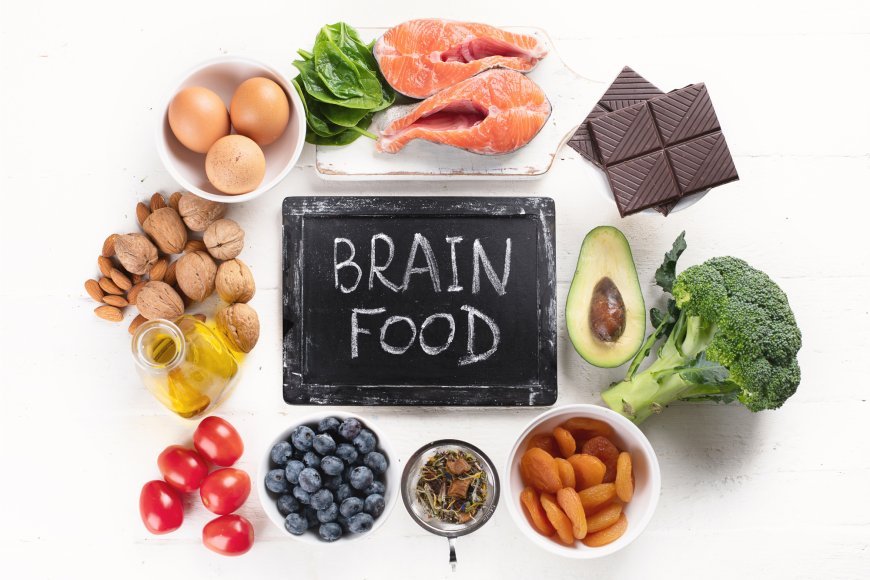
Want to get it from food? Eat salmon, sardines, or mackerel twice a week. Veg? Walnuts and chia seeds help, but your body converts very little of that into DHA. That’s why many people take a supplement.
Conclusion
Omega-3 isn’t a magic wand that’ll give you a 20-year-old brain at 70. But it _is_ a solid brick in the wall of long-term brain health. Taken daily, it supports memory, improves focus, and slows down age-related mental decline.
You’ll get the best results when you pair it with real food on your plate, some sweat during the day, and a book instead of your phone at night. Your brain doesn’t run on capsules alone — it runs on your whole lifestyle.
Do you take Omega-3? Fish or capsules? Drop a comment below — it’ll help others decide too.
FAQs
Q1: Can Omega-3 really improve memory?
Yes. Communication between neurons. Statistical significance did not differ between control and brain samples collected from 6 weeks to 12 nights.
Q2: Will it cure Alzheimer’s?
These supplements won’t cure or stop Alzheimer’s, but they can lower things like inflammation and bad blood flow that damage your brain.
Q3: When will I notice a difference?
Don’t expect overnight results. Most people start noticing better memory and clearer thinking after using it daily for 6 to 12 weeks.
Q4: Is food better than supplements?
Both work. If you eat oily fish twice a week, you probably won't have any problems. If not, a high-quality supplement fills the gap.
Q5: Can children and adolescents also benefit from this?
Of course.It supports brain growth, attention, and learning at every age. Just check the dose with a doctor for kids.
Q6: Are there any side effects?
Too much can thin your blood or upset your stomach. Don’t go over 1000mg–2000mg combined EPA+DHA daily without asking your doctor.





















Responses (0)
Sign in to share your thoughts.
Sign in