
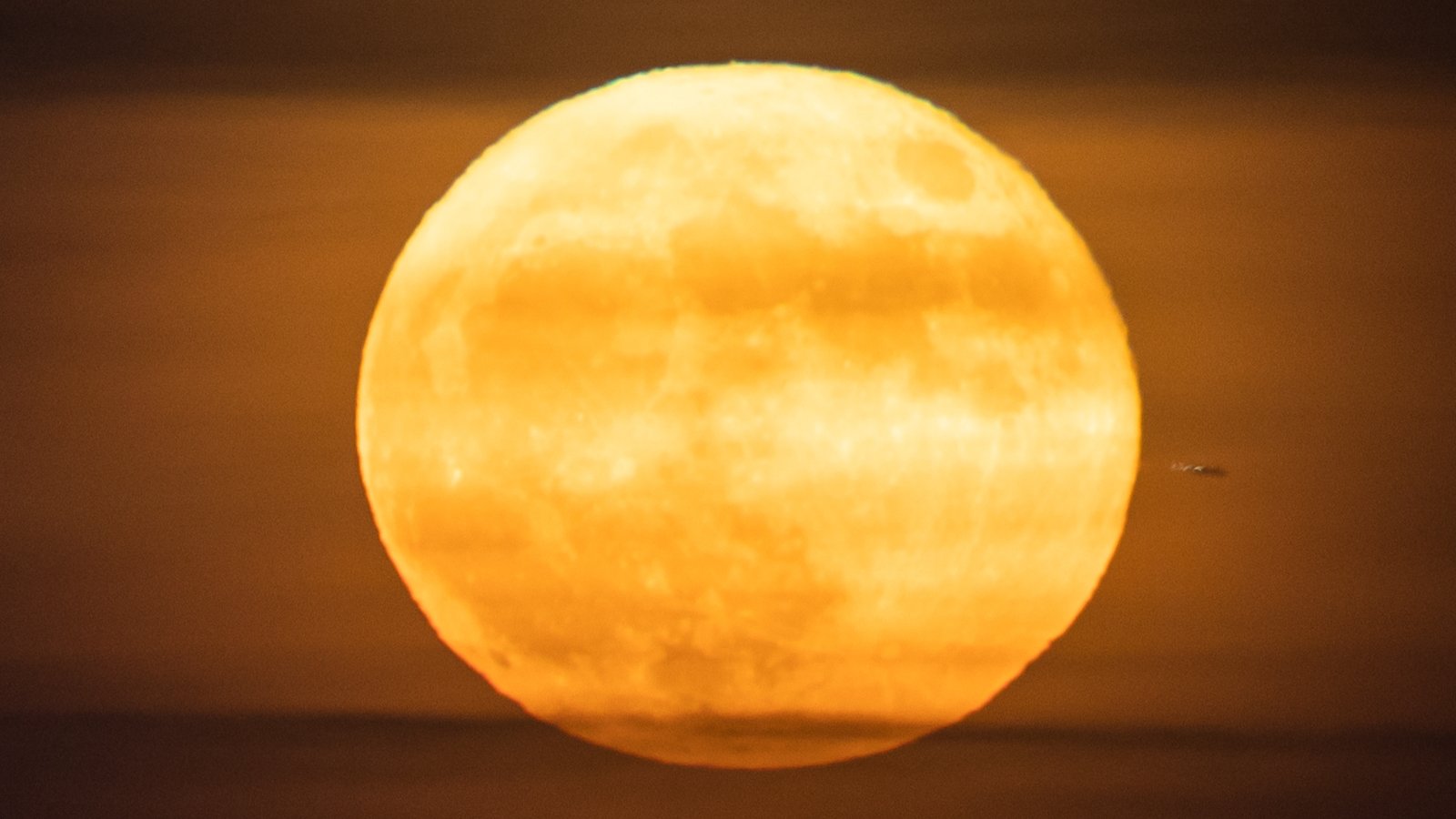
A stunning two-night Sturgeon full moon in August 2025 peaks at 3:55 a.m., accompanied by planets and Perseid meteors. How to view and why it matters.
The full moon of August 2025 steps into the spotlight as one of the year’s most extraordinary celestial events. Known as the Sturgeon Moon, it reaches peak illumination just before dawn on August 9, offering skywatchers not one but two unforgettable evenings of nearly identical full moonrises. With atmospheric brilliance, mythic significance, and accompanying celestial phenomena—including a rare planetary alignment—this August full moon invites both stargazers and spiritual seekers to look skyward. Here's your complete guide to appreciating its science, symbolism, and best viewing strategies.
The Science Behind the Sturgeon Full Moon
The August full moon is traditionally called the "Sturgeon Moon," a name rooted in Indigenous and Native American lore that reflects the late-summer abundance of sturgeon in the Great Lakes and Lake Champlain.
Astronomically, the full moon occurs when the Earth lies directly between the sun and moon, fully illuminating the lunar surface. In August 2025, this alignment peaks at approximately 3:55 a.m. Eastern Time on Saturday, August 9.
Uniquely, viewers across North America can witness two nearly identical moonrises—one on August 8 and another on August 9—because the full moon rises low in the southern sky, compressing the usual day-to-day delay between moonrises to about 30 minutes. In New York City, for example, the moon rises at 8:03 p.m. ET on August 8 and 8:32 p.m. ET on August 9.
When and Where to View the Full Moon
For ideal viewing, timing and location matter:
· Northern and Central U.S. (e.g., Texas): The moon reaches peak brightness around 2:55 a.m. Central Time on August 9, though enthusiasts should step outside during sunset on August 8 for the most spectacular visual effect.
· Across Time Zones: Full moon times vary—12:55 a.m. in Los Angeles, 8:55 a.m. BST in London, and 2:25 p.m. in New Delhi—reflecting each region’s local time.
· General Guidance: Watch the moonrise at dusk on August 8 or 9 in a dark, open area away from light pollution. Using binoculars or a telescope enhances the experience.
Cultural and Astrological Significance
The Sturgeon Moon carries rich cultural and spiritual layers:
· Traditional Names: Also known as the Wild Rice Moon (Anishinaabeg), Green Corn Moon, Grain Moon, Corn Moon, and Flying Up Moon in various Indigenous and colonial American traditions.
· Astrology Highlights: Rising in Aquarius, this full moon opposes the Sun in Leo, marking a powerful portal (the "Lion’s Gate")—a time ripe for introspection, authenticity, and creative renewal.
· Zodiac Insights:
o People.com foresees surges of innovation, passion, and creativity across all signs—especially for Aries, Taurus, Gemini, Cancer, Leo, Virgo, Libra, Scorpio, Sagittarius, Capricorn, Aquarius, and Pisces.
o New York Post warns of heightened emotional tension and opportunity for relationship transformation—especially among Taurus, Leo, Scorpio, and Aquarius—thanks to retrograde planetary influences.
Celestial Companions: Planets and Perseids
Beyond the full moon, August gives skywatchers a layered display:
· Planetary Parade: From August 10 onward, up to six planets—including Mercury, Venus, Jupiter, Saturn, Uranus, and Neptune—form a rare pre-dawn alignment. Saturn lurks near Pisces, Venus/Jupiter pair in Gemini, while Mercury appears in Cancer.
· Perseid Meteor Shower: Peaking on the night of August 12–13, the Perseids are spectacular—but the bright full moon might wash out fainter meteors. Still, catching both together offers compelling contrast: fiery streaks against a glowing orb.
Viewing Tips for a Magical Night
To make the most of this celestial event, consider:
· Find a dark, elevated location away from city lights.
· Check weather forecasts to ensure clear skies.
· Use a tripod and wide-lens camera settings to capture vivid moon details or creative silhouette shots.
· Bring binoculars or a telescope for moon craters and nearby planets.
· Arrive early to enjoy the golden moonrise and atmospheric glow.
Quick Viewing Checklist:
· Spot the full moonrise on August 8–9 at twilight
· Note exact peak time: ~3:55 a.m. ET (3:55 a.m. EDT)
· Observe planetary alignment from August 10 onward
· Watch Perseid meteors despite moon glare
· Prepare equipment: tripod, optics, dark skies
Conclusion
This August, the full moon transcends routine skein of lunar phases to become a celestial festival—-a Sturgeon Moon glowing in ancient symbolism, rising twice, paired with a rare planetary alignment and flanked by Perseid meteors. It’s both a scientific marvel and spiritual muse. Whether you're a skywatching enthusiast, astrology devotee, or casual admirer, don’t miss this enriching chapter in Earth’s cosmic story.























Responses (0)
Sign in to share your thoughts.
Sign in