

Smart Financial Habits for Uncertain Times: A Comprehensive Guide to Resilience
Economic volatility, persistent inflation, and labor market shifts have made long-term financial security feel increasingly elusive. In an unpredictable economic climate, traditional financial advice like simply "saving more" falls short. True financial resilience requires a fundamental shift in how you manage, protect, and grow your money—moving from passive saving to strategic financial management.
Building smart financial habits during uncertain times isn’t about extreme frugality or living under restrictive budgets. Instead, it is about building cash-flow flexibility, mitigating major financial risks, and retaining long-term control over your personal wealth.
1. Transition to Conscious Cash-Flow Management
When economic conditions change rapidly, rigid monthly budgets often break down because expenses fluctuate unexpectedly. Rather than attempting to fit spending into unyielding categories, adopt a flexible cash-flow approach focused on baseline awareness.
- Categorize Fixed vs. Variable Costs: Divide your monthly obligations into non-negotiable survival expenses (housing, utilities, debt minimums, core groceries) and discretionary flex-spending (subscriptions, dining, entertainment). Knowing your exact monthly baseline allows you to scale back spending immediately during a financial shock without operational panic.
- Adopt Zero-Based Allocation: Assign every dollar of income a designated purpose at the start of the month—whether covering fixed liabilities, funding savings, or allocating to discretionary accounts. Unassigned funds tend to disappear through unmonitored micro-transactions.
- Audit Subscription Leaks: Recurring monthly services silently erode your financial margins over time. Conduct a quarterly audit to eliminate unused streaming platforms, software subscriptions, and memberships.
2. Re-Engineering the Emergency Fund Strategy

While holding 3 to 6 months of living expenses remains a standard recommendation, economic uncertainty demands a more structured, liquidity-driven reserve model.
| Traditional Reserve Strategy | Modern Multi-Tiered Reserve |
|---|---|
| 3–6 Months of general living expenses | 6–12 Months of core baseline expenses |
| Maintained in standard savings accounts | Tiered across immediate cash & high-yield assets |
| Reserved exclusively for major emergencies | Structured for job transitions & inflation hedging |
The Two-Tier Liquidity Model:
- Tier 1 (Immediate Cash): Maintain 1 to 2 months of core baseline expenses in a standard checking or instant-access savings account for immediate accessibility.
- Tier 2 (High-Yield Liquidity): Place the remaining 4 to 10 months in a High-Yield Savings Account (HYSA) or low-risk money market instrument. This ensures your capital earns competitive interest while preserving full liquidity.
3. Protecting Purchasing Power Against Inflation
Holding excessive cash during high inflation guarantees a loss of purchasing power over time. While capital preservation is crucial, completely avoiding investment markets creates a secondary risk: long-term wealth erosion.
- Automate Dollar-Cost Averaging (DCA): Market timing during volatile economic periods is notoriously difficult. Setting up recurring, automated contributions to broad-market index funds or low-cost exchange-traded funds (ETFs) neutralizes market volatility by averaging your purchase prices over time.
- Invest in Human Capital: The most resilient, inflation-proof asset you possess is your earning capacity. Consistently upgrading specialized, high-demand skills ensures career mobility and income growth across economic cycles.
4. De-Risking Liabilities and Managing High-Cost Debt

High-interest consumer debt is the single largest multiplier of financial stress during economic downswings. Managing liabilities strategically provides a guaranteed, risk-free return on your money.
Debt Rule: Prioritize paying down high-interest consumer debt aggressively before allocating surplus funds toward speculative investments. Eliminating a 20% interest rate on a balance yields the exact financial benefit of achieving a guaranteed 20% investment return.
Focus on variable-rate obligations first, as central bank interest rate adjustments directly increase their carrying cost. Locking in fixed terms or consolidating high-interest credit lines provides predictability to your monthly liabilities.
5. Diversifying Earning Streams
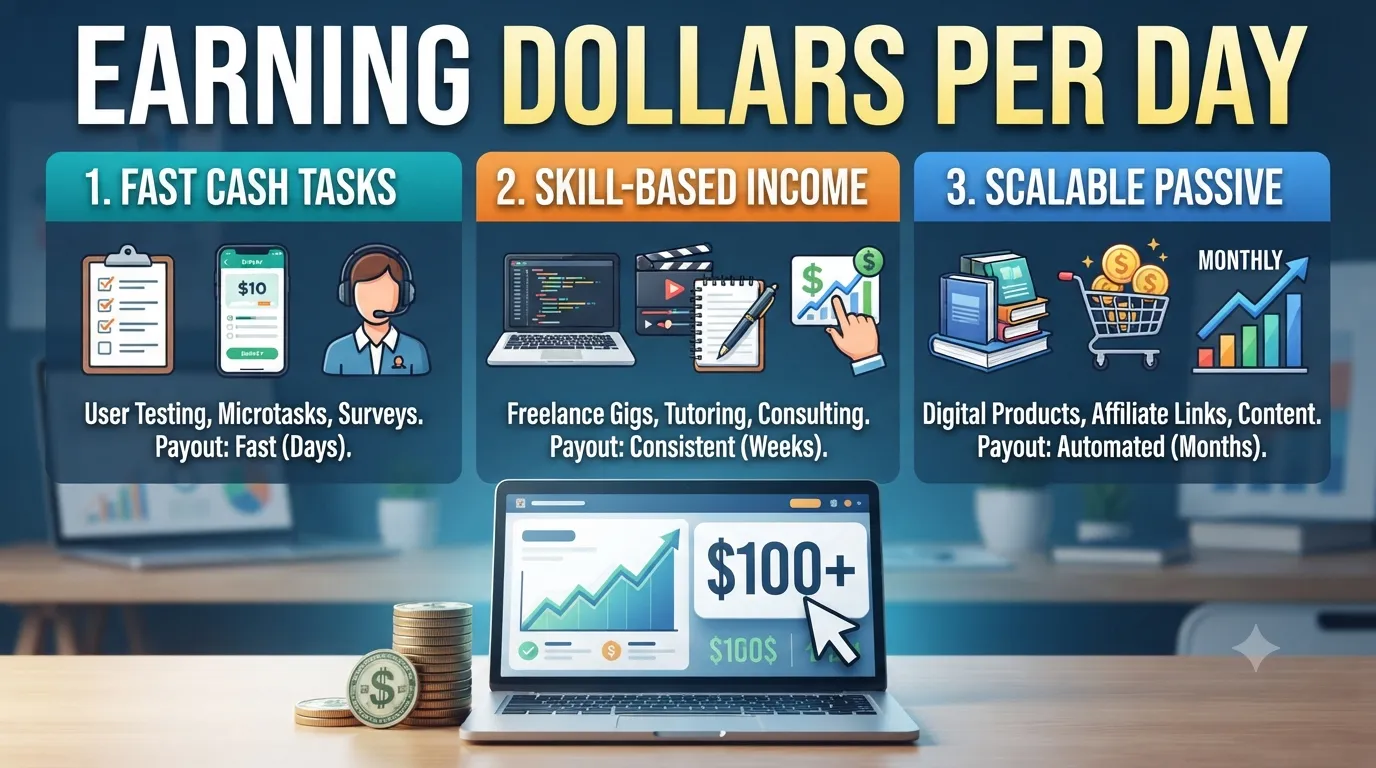
Relying on a single source of employment income is one of the largest unhedged risks in modern personal finance. Building secondary revenue streams creates both financial stability and strategic flexibility.
- Monetize Core Skills: Leverage existing professional expertise through advisory work, consulting, technical writing, or specialized digital service provision.
- Maintain Low Capital Overhead: Focus on secondary income initiatives with minimal upfront capital demands to ensure they remain lean, adaptable, and cash-flow positive from inception.
Strategic Action Plan
- Calculate Baseline Survival Costs: Determine your minimum monthly expenses to maintain financial obligations.
- Establish a High-Yield Reserve: Automate monthly transfers into a yield-generating liquid account.
- Plug Variable Micro-Leaks: Cancel non-essential recurring payments and audit flexible spending.
- Automate Investment Transfers: Execute recurring contributions to diversified index funds.
- Systematize Debt Payoff: Target variable high-interest consumer debt with aggressive extra payments.


















Responses (0)
Sign in to share your thoughts.
Sign in