
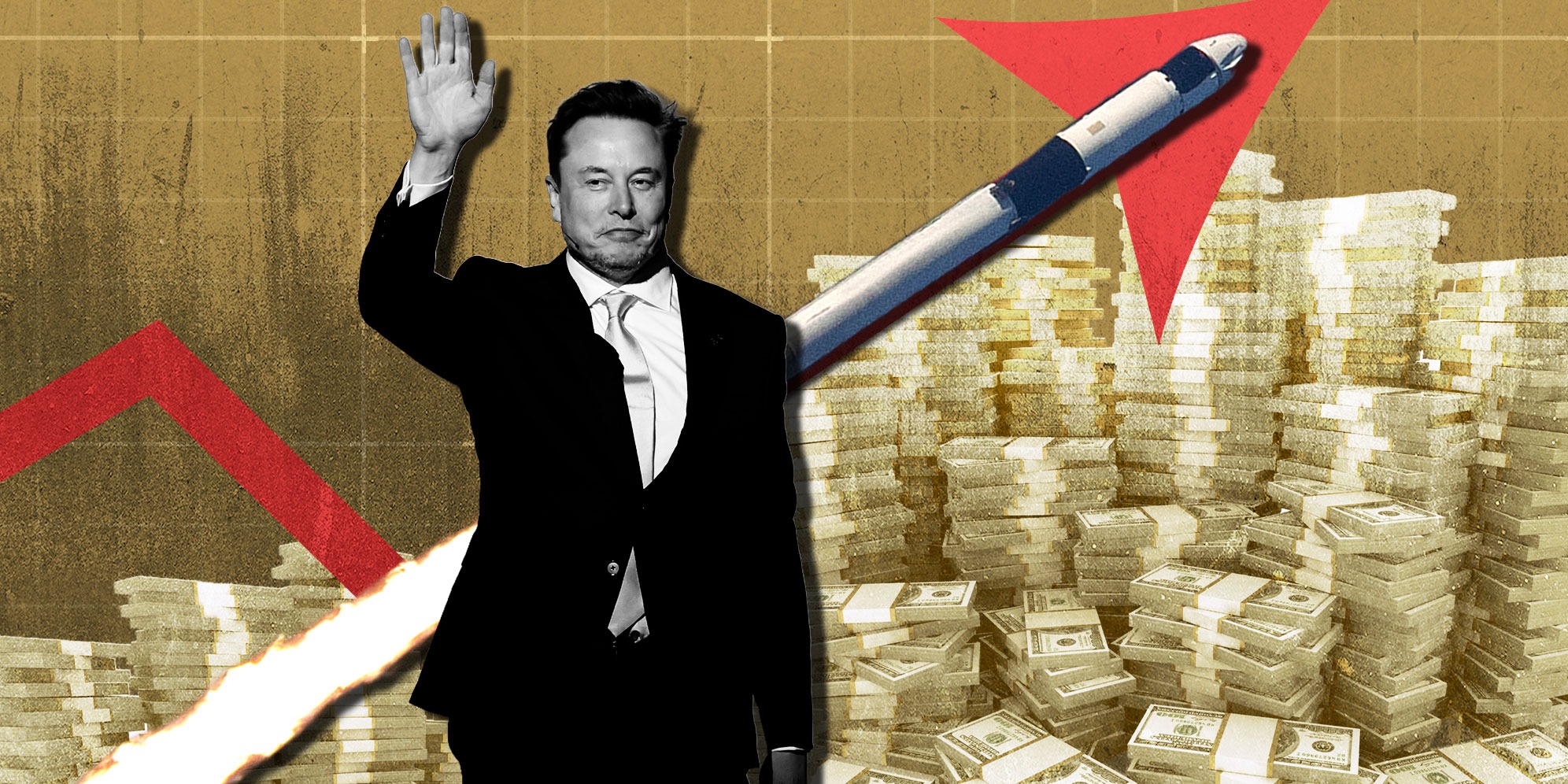
Imagine a kid in South Africa, dodging bullies and burying himself in sci-fi books, who one day decides the future of humanity shouldn't be stuck on one fragile planet. That kid grew up to become **Elon Musk** — engineer, entrepreneur, and in June 2026, the world's first trillionaire. His story isn't just about building companies or stacking billions (now trillions); it's about chasing moonshots when everyone else called them crazy. Here's the gripping tale, grounded in real milestones that changed our world.
The Restless Young Mind
Born on June 28, 1971, in Pretoria, Elon Reeve Musk was a bookish, awkward kid who taught himself computer programming at age 10 and sold his first game, *Blastar*, at 12. After a tough childhood marked by his parents' divorce and school struggles, he moved to Canada at 17, then to the U.S. for university. Degrees in physics and economics from the University of Pennsylvania followed, but grad school at Stanford lasted just two days. The internet boom was calling.
In 1995, he co-founded Zip2, an online maps and directories service. It sold for nearly $300 million in 1999. Musk then launched X.com, a bold online banking idea that merged into PayPal. When eBay bought PayPal in 2002 for $1.5 billion, Musk walked away with about $180 million. Most people would've bought an island. Musk reinvested almost everything into two wild bets: rockets and electric cars.
Near-Death for SpaceX and Tesla
2008 was Musk's "valley of death" year. Both SpaceX and Tesla were hemorrhaging cash amid the global financial crisis. SpaceX had failed its first three Falcon 1 rocket launches. Tesla's Roadster production was plagued with delays. Musk was personally broke, sleeping on friends' couches, and funding operations with his own credit cards. On the fourth Falcon 1 attempt, it finally reached orbit — the first privately developed liquid-fueled rocket to do so. NASA contracts soon followed.
SpaceX pioneered reusable rockets with Falcon 9, slashing launch costs dramatically. Milestones piled up: first private spacecraft to the ISS (Dragon, 2012), Falcon Heavy's debut (2018), and Starlink's global satellite internet constellation. By 2026, SpaceX's IPO sent its valuation soaring near $2 trillion, pushing Musk's net worth past the trillion-dollar mark for the first time in history.
At Tesla, Musk became CEO in 2008 and steered it from niche sports cars to mass-market EVs. The Model 3 became a bestseller, Cybertruck turned heads, and the company led the charge in battery tech and autonomous driving. Tesla's market cap exploded, making Musk the richest person on the planet multiple times over.
The Trillionaire and His Other Worlds
Musk didn't stop at cars and rockets. He co-founded Neuralink to merge human brains with AI, The Boring Company for futuristic tunnels, and xAI to pursue safe, curious artificial intelligence. In 2022, he bought Twitter (now X) and reshaped it with a focus on free speech and everything-app ambitions.
His personal life has been as headline-grabbing as his businesses — multiple marriages, high-profile relationships (including with Grimes), and a large family. But the drive remains constant: "Make life multi-planetary" to safeguard humanity's future.
In mid-June 2026, SpaceX's blockbuster IPO cemented Musk as the first trillionaire, with estimates hitting around $1.1 trillion (mostly from SpaceX and Tesla stakes). It's a number so enormous it's almost abstract — enough to fund Mars colonies, global internet access, or massive renewable energy projects.
Why His Story Captivates Us
What makes Musk magnetic isn't just the wealth or the rockets. It's the relentless optimism mixed with brutal realism. He works insane hours, sleeps at factories during production crunches, and openly shares failures on X. Critics slam his tweets, overpromises, and controversies — but even they can't deny the results: reusable rockets that land like sci-fi props, millions of EVs on roads, and a renewed global excitement about space.
As of 2026, Musk's vision extends to Starship (the fully reusable system for Mars), advanced AI through xAI, and brain implants that could help paralyzed people walk again. Whether you see him as a real-life Tony Stark or a polarizing figure, his impact is undeniable.
Elon Musk's trillionaire journey proves one thing: the craziest dreams, pursued with first-principles thinking and iron will, can reshape civilization. The question now isn't if we'll reach Mars — but when. Buckle up; the ride is just getting started.


Discussion
Because Elon Musk became trillion dollar worthy