
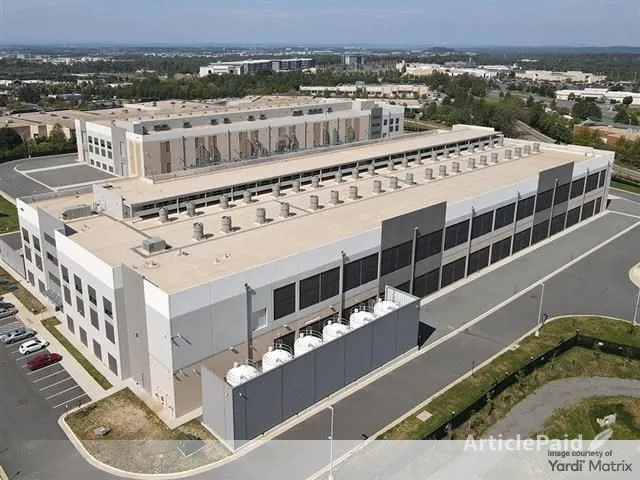
Protests against data centers in America and globally are increasing... but what is a data center? What's its purpose? A deep dive.
Growing Disagreement Regarding AI Data Centers and Community Responses to Their Existence:
We are living in the age of artificial intelligence, and the largest nations in the world are investing billions of dollars into the sector in an effort to win this tug-of-war with the most effective AI. AI data centers—large training grounds that constantly consume electricity to keep their AI systems running 24 hours a day, seven days a week—make up a significant portion of this development. Whether the development of AI eventually makes human lives better or not, these data centers are negatively affecting residents living near them. They eat up large amounts of electricity to run all day, every day. Since electricity is a finite resource, AI raises power costs for thousands of state or county residents as well as those running the data centers. Due to AI data centers, prices for everyday goods like smartphones, cars, televisions, and more have also skyrocketed. Data is physically and virtually stored and transferred in a data center. A data center is, as its name suggests, a data center. To put it another way, it serves as a central hub through which large amounts of data can be stored and transferred.
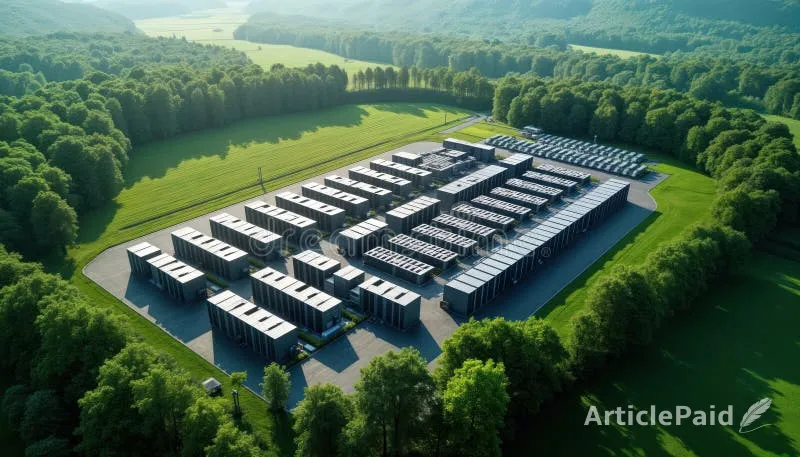
Much in the same way that your personal PC needs internal storage and memory to store and run programs, so too do data centers use similar types of components. The difference is that these facilities are handling data flows from entire counties, regions, states, or larger, so they need a positively massive quantity of physical servers, storage drives, and network infrastructure.
To better connect to other data centers and save space, modern data centers combine physical and virtual storage and computation methods. A single service's combined data needs can be networked through multiple different data centers via cloud computing, which also helps to protect that service's functions in the event a data center is damaged or compromised. Data centers typically include power subsystems, backup generators, ventilation and cooling equipment, and other pieces of support hardware in addition to the computational components. That many servers running at full capacity get very hot, though many data centers offset the cost of cooling and power by building in cooler locales like deserts or high-elevation areas. China has even gone as far as to build a data center entirely underwater.
To better connect to other data centers and save space, modern data centers combine physical and virtual storage and computation methods. Cloud computing allows a single service's combined data requirements to be networked through multiple data centers, assisting in the protection of that service's functions in the event that a data center is compromised or damaged. In addition to the computational components, data centers are usually also equipped with various pieces of support hardware, including power subsystems, backup generators, and ventilation and cooling equipment. That many servers running at full capacity get very hot, though many data centers offset the cost of cooling and power by building in cooler locales like deserts or high-elevation areas. China has even constructed a data center that is entirely submerged. Unfortunately, the extent of the damage extends beyond the cost of utilities—residents from all over the country have voiced concerns about the effects these data centers have had on the environment. Some of the much bigger risks that data centers pose are constant noise pollution and an unprecedented demand for water. Data centers invest in large power supplies and cooling systems. These can get quite noisy, especially when the backup cooling and generators boot up.
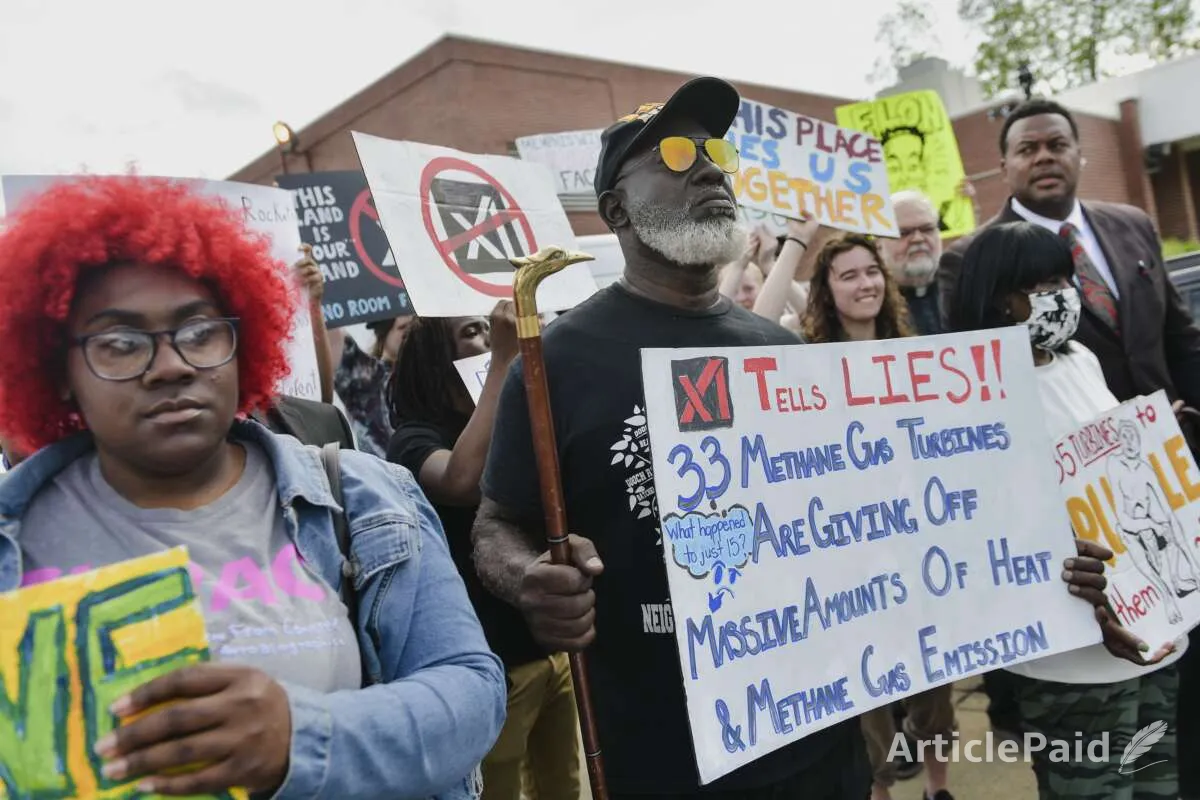
Noise pollution, as a result, affects homeowners who live near these data centers. For instance, Laura Evans is a resident of suburban Chicago who lives just 1,000 feet from a large-scale data center. Laura stated in an ABC News report that she constantly experiences a "low hum 24/7. " Similar tales are appearing all over the nation, from Virginia towns like Chesapeake to Chicago residents' tales. With the rapid increase in the number of data centers being built, this is likely going to affect a lot more people.
By current standards, data centers are broken up into two broad categories: traditional data centers and AI data centers. It's largely through traditional data centers that the seemingly seamless internet experience you have today is facilitated; they manage web hosting services that keep websites running, store data for cloud services, run virtual apps that external users can access without local installation, and manage important communication services like email and digital calling.

One of the largest data centers in the world, the China Telecom Information Park located in Hohhot, Inner Mongolia, is responsible for all of those service types, plus government systems and business enterprise services. There is a similarly large data center located in Tahoe, Reno, Nevada, in the U.S., owned by Switch that provides a myriad of telecom services to the government, businesses, and individual tech clients. Where traditional data centers serve these numerous practical functions, AI data centers, like traditional centers, have a lot of physical servers, but they also have GPUs, TPUs, NVMe storage drives, and other high-end components. These high-end components are used for the sole purpose of running AI models and training them, as well as for jobs like data analytics and managing chatbots. Because these particular centers are loaded with so much fancy hardware, they have higher power and cooling needs, which is why they've been controversial for monopolizing local resources. Over 2.6 billion gallons of water were used to cool Amazon's AI data centers in a single year.
More from ArticlePaid
Top 10 Tech Trends to Watch in 2025
Explore the top 10 tech trends expected to shape industries, redefine innovation, and transform our daily lives in 2025.

The Best Remote Jobs to Work at Around the World
Remote work has changed the landscape of job opportunities worldwide. With the advancement of digital technology and companies focusing on flexibility, working from anywhere has become a fantastic reality!

The Evolution and Impact of the Card System in Football
The introduction of red and yellow cards revolutionized football, providing a clearer structure for discipline. Yellow cards caution players, while red cards result in immediate ejection. Over time, punishments have evolved, and VAR technology enhances card accuracy.
The Dawn of the Commercial Lunar Economy: Inside NASA’s Bold New Strategy
The Dawn of the Commercial Lunar Economy: Inside NASA’s Bold New StrategyThe race back to the Moon is no longer just a government ...

Has the Internet Changed the Way We Log In?
Have you noticed something different about the internet lately? It seems like every website wants to use a new method for logging...
Actual Humanoid Robots (Real Life)In 2026, humanoid robots are officially
In 2026, humanoid robots have officially transitioned from prototypes and viral demos to real-world commercial deployments. This m...

Pakistan’s 5G Revolution: What Will Change for Millions of Users?
Pakistan’s 5G Revolution: What Will Change for Millions of Users?For years, 5G in Pakistan was discussed as a future possibility. ...

The Impact of Artificial Intelligence on Future Employment: Preparing for a Disrupted Workforce
As advancements in artificial intelligence (AI) continue to progress, there is an increasing concern regarding its implications for employment. While AI offers substantial advantages, such as enhanced efficiency, expedited decision-making, and cost reduction, it also presents a significant challenge: the potential displacement of millions of jobs across various sectors. From manufacturing facilities to corporate offices, AI-driven systems are progressively capable of executing tasks that were previously performed solely by humans. This transition is fostering widespread apprehension regarding job displacement and economic disruption in the foreseeable future.

Best Upcoming Features of Android 16 to Enhance from Android 15: An In-Depth Comparison
Android continues to evolve, shaping the future of mobile technology with every major release. With Android 15 setting a strong foundation in 2024, the arrival of Android 16 in 2025 promises even more exciting advancements. In this detailed article, we’ll explore the most anticipated features of Android 16, compare them with Android 15, and help you understand what makes this upgrade truly special.
Weekly Top Articles

8 Methods to Write the Next Short Story After a Successful Hit
When Your Success Becomes Your Next ChallengeYou have published your first short story, and you feel proud to receive positive rev...

Why Saving Money Won't Make You Rich: 7 Ways to Wealth
Introduction: Will Saving Make You Richer?Everybody wants to leave school and enter a bright financial future. Most people think t...

Healthy soup for cold& cough- comforting Ginger Garlic soup
IntroductionWarm up with this easy, healthy and tasty homemade Ginger Garlic Soup. This soup has been made using fresh ingredients...

How Can I Use AI to Grow My Business and Make More Money in 2026?
IntroductionArtificial intelligence can make life easier for entrepreneurs, both big and small. Using artificial intelligence tool...
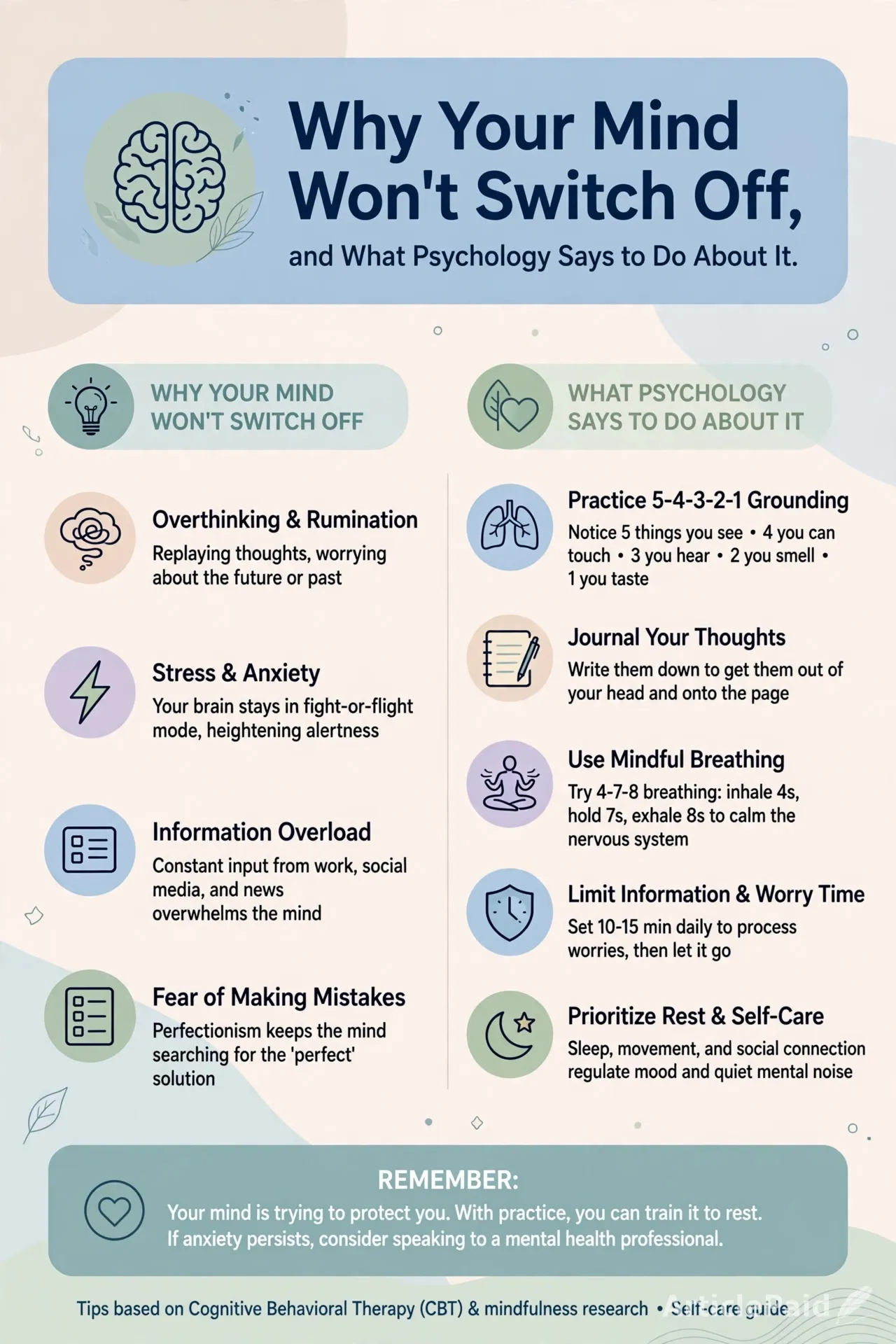
Why Your Mind Won't Switch Off, and What Psychology Says to Do About It
Last month's embarrassing text. Tomorrow's presentation. A decision you've already made but keep re-examining like it's evidence i...

Why You Procrastinate and How to Actually Stop: Easy Tips to Help You Start Now
IntroductionMany people procrastinate, and it stops you from achieving your goals. Procrastination may come in the form of avoidin...








Responses (0)
Sign in to share your thoughts.
Sign in