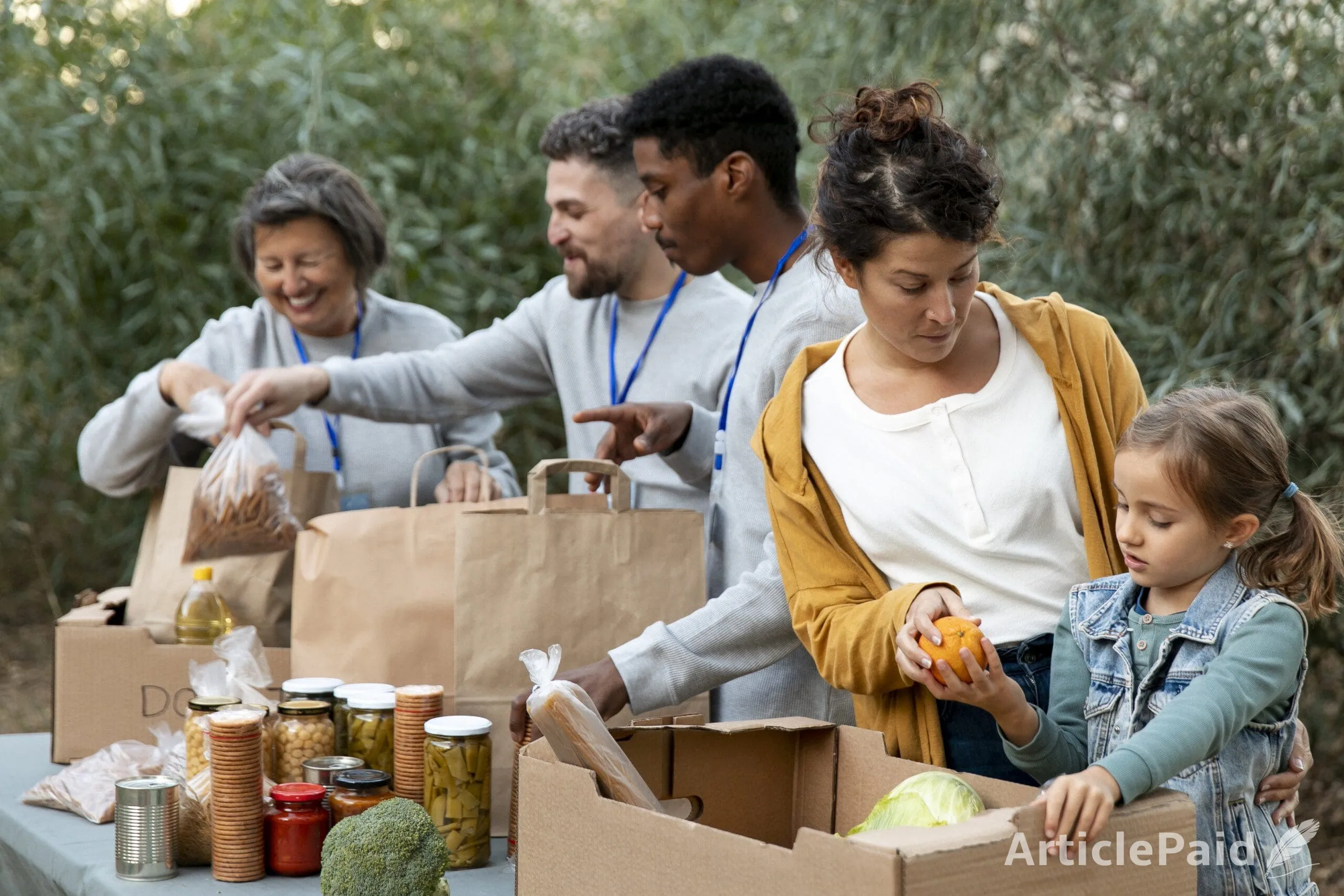
SNAP Cuts make it Harder for Families to Feed Their Children Healthy Foods
Many parents who were hungry as youngsters want their own children to never go hungry. New research by Priya Fielding-Si

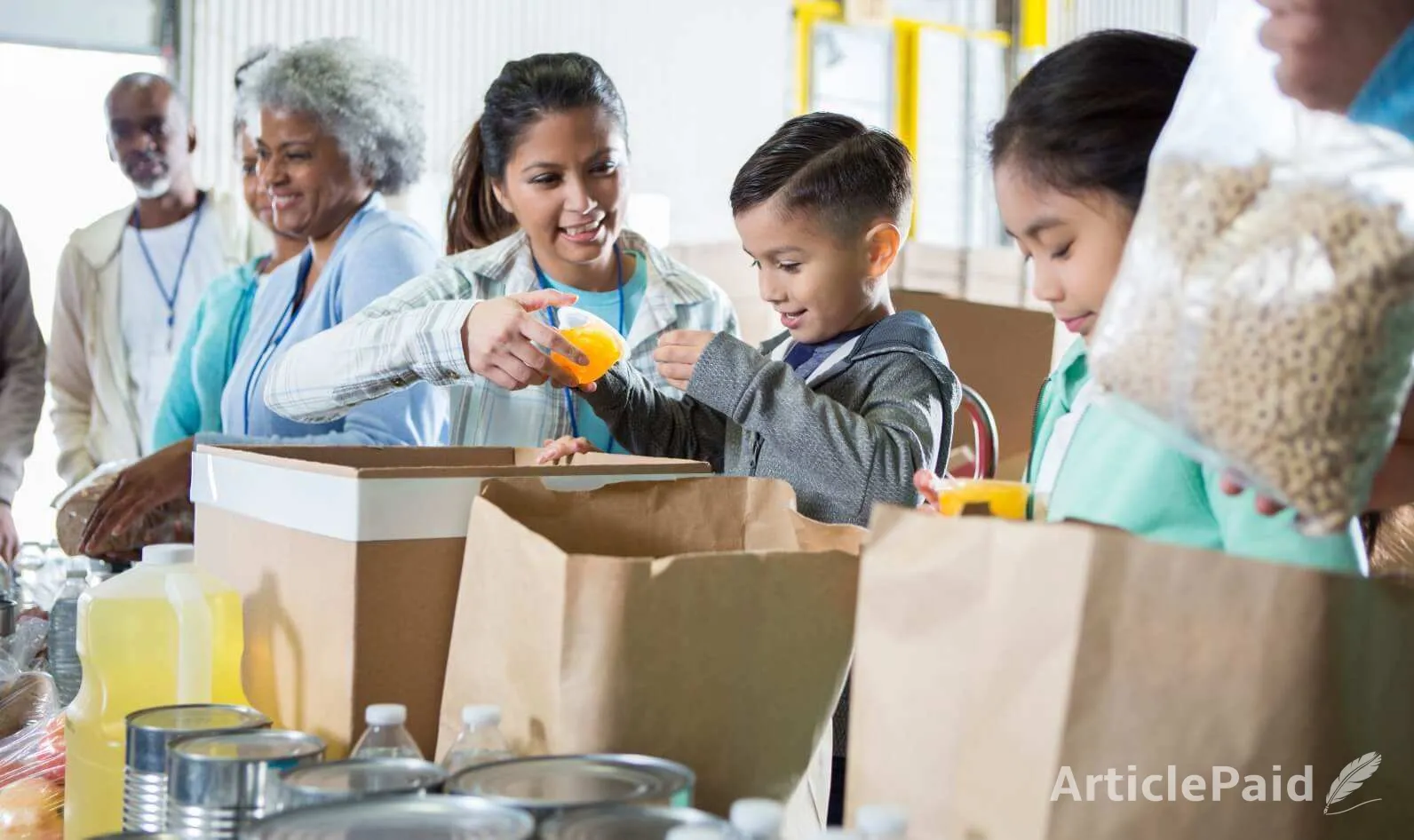
Many parents who were hungry as youngsters want their own children to never go hungry.
New
research by Priya Fielding-Singh and Darcy Cherlin, researchers at
George Washington University’s Global Food Institute, highlighted
in an op-ed published by STAT, demonstrates that those pledges can
impact what ends up on the table, particularly for low-income
households. Children frequently have to be exposed to a new cuisine
several times before they tolerate or even enjoy it. But parents,
stressed for money, can’t afford to waste food. Thus, they tend to
serve the less healthful meals they know their children will eat,
rather than the fresh fruits and vegetables they might not. “I’d
rather my child be happy and fed than sad and hungry,” one parent
said.
That’s a legitimate choice for the present, given
the need to make do – but one that also works against a child’s
long-term physical and emotional health. More and more evidence
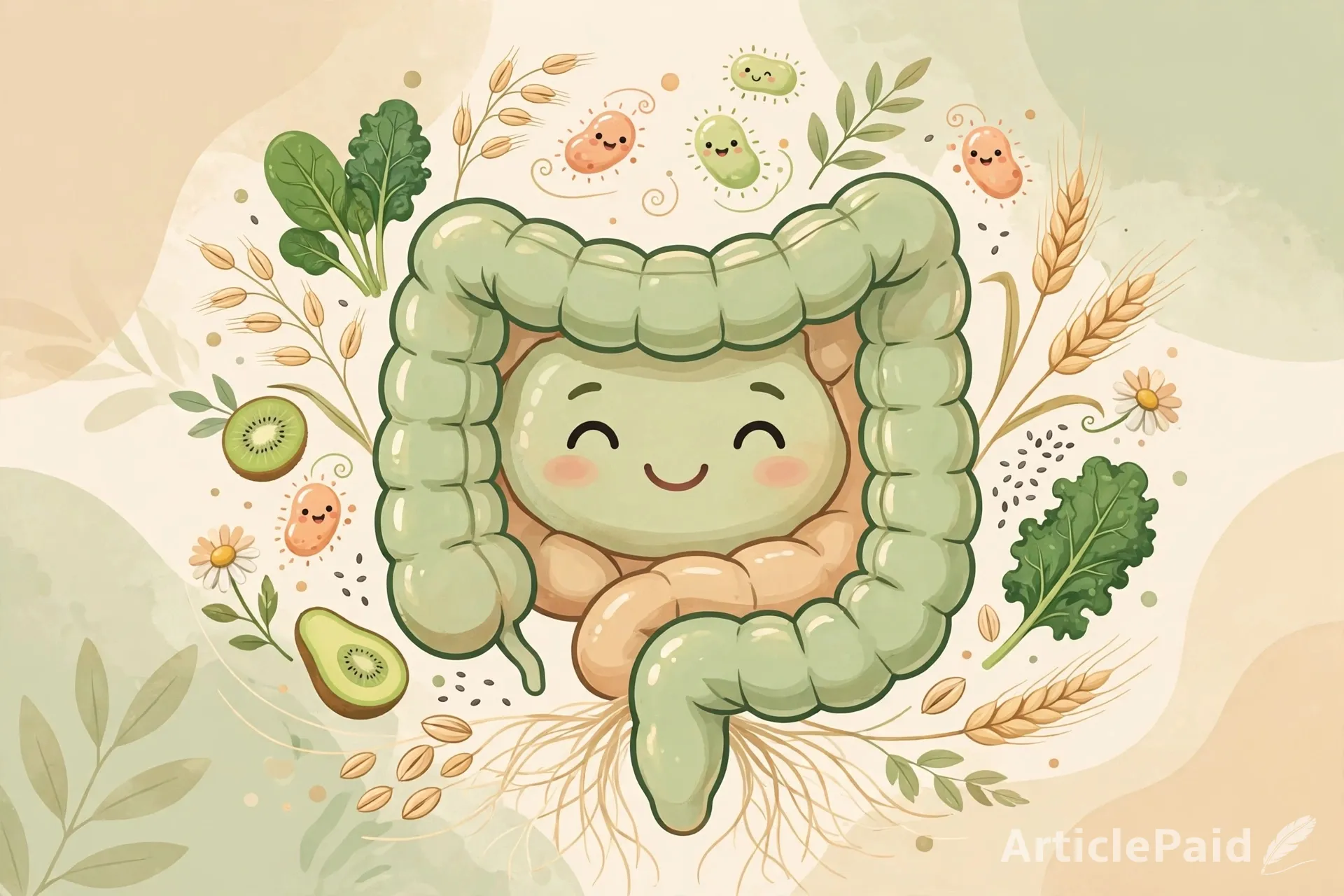
suggests that what we eat influences how we feel. Gut bacteria
byproducts can make their way to the brain and affect how the brain
works. Sugary, ultra-processed diets have also been related to
alterations in gut bacteria associated with mood disorders such as
anxiety and sadness. Most current research suggests links rather
than cause-and-effect, but it still implies that regularly choosing
less healthy foods over fresh, nutrient-dense produce is a bad omen
for a child’s future mental health. The deficiencies born from
these diets can also affect their physical
development.
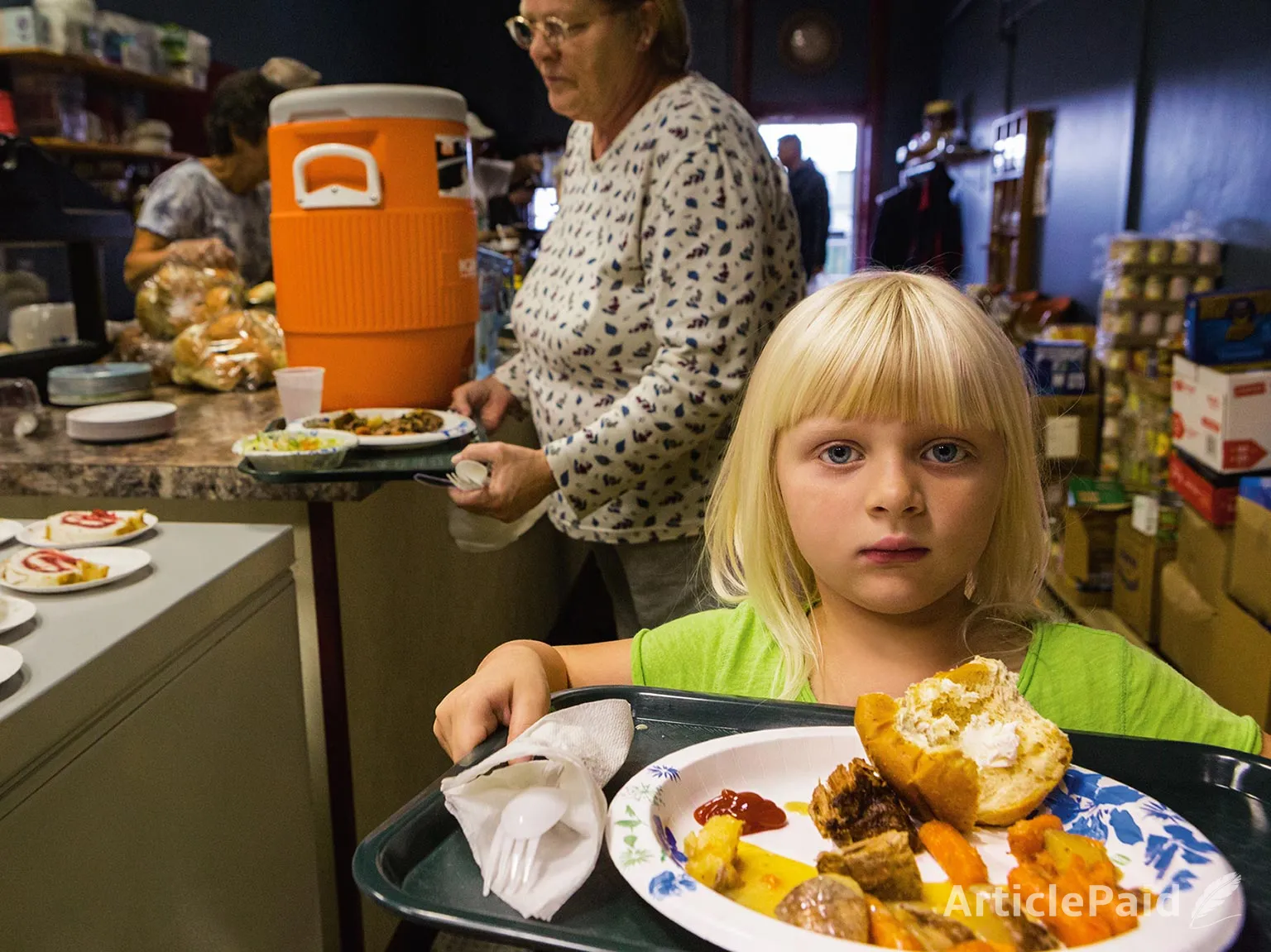
Unfortunately, the financial stress on
families is only becoming worse. Groceries now cost about a third
more than they did in 2020, and federal policy changes have
unenrolled more than 5 million people from SNAP since summer 2025,
harming an estimated 2 million children. More than half of low-income
parents in a national survey released earlier this year said they’d
cut back on the amount of food they bought, and more than two-thirds
said they were concerned they would have to pick between paying bills
or giving their kids healthful food. For those parents, each trip to
the grocery store involves calculating math that allows for no
refusal of a serving of broccoli.
Fielding-Singh and
Cherlin say the remedy begins by ensuring youngsters have enough to
eat. They urge the next Congress to approve a bipartisan bill
reversing the SNAP cuts in Trump’s “big, beautiful bill,” and
to halt the shifting of the expense of benefits onto states. They
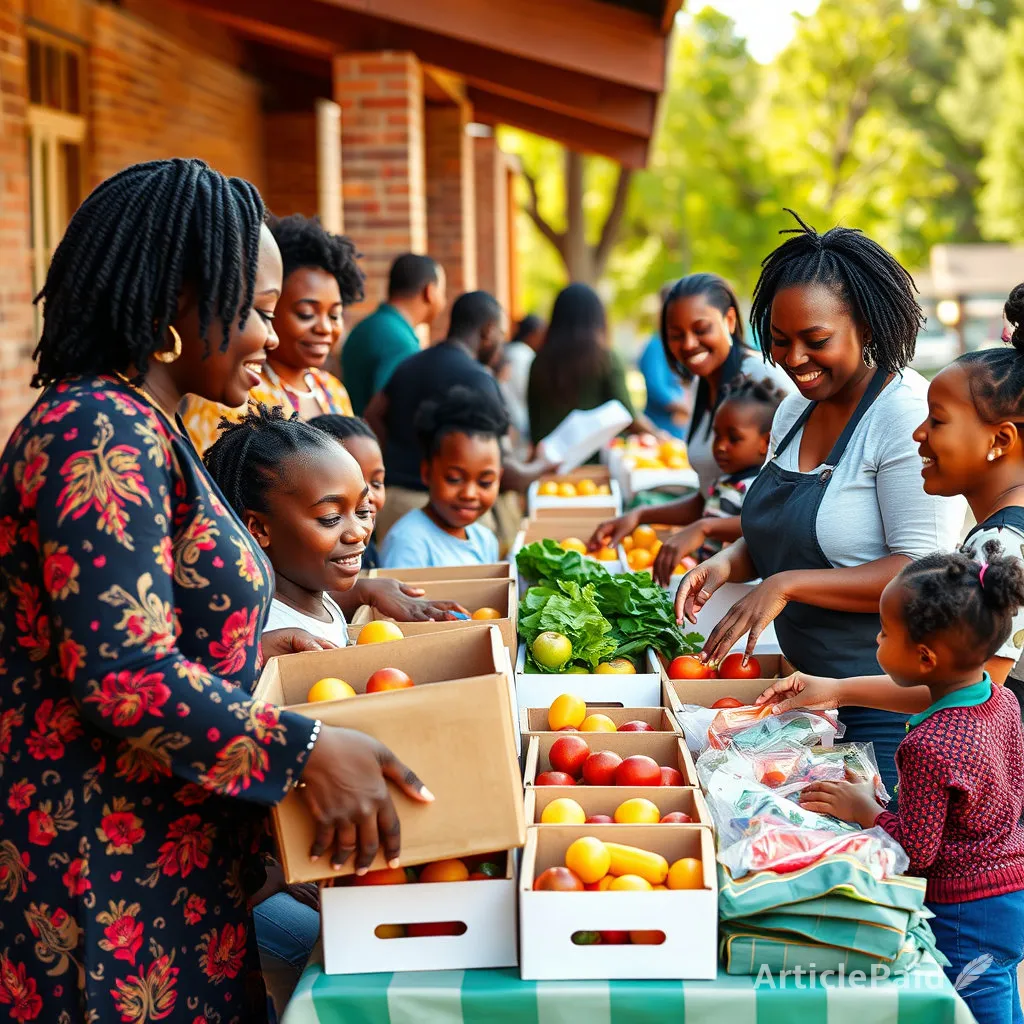
also advocate protecting the Special Supplemental Nutrition Program for Women, Infants and Children’s fruit and vegetable benefit and expanding incentives like Double Up Food Bucks, which
double SNAP shoppers’ buying power for fresh produce.
These
modifications could help parents continue to provide their children
with nutritious options – the types of foods they need to sample
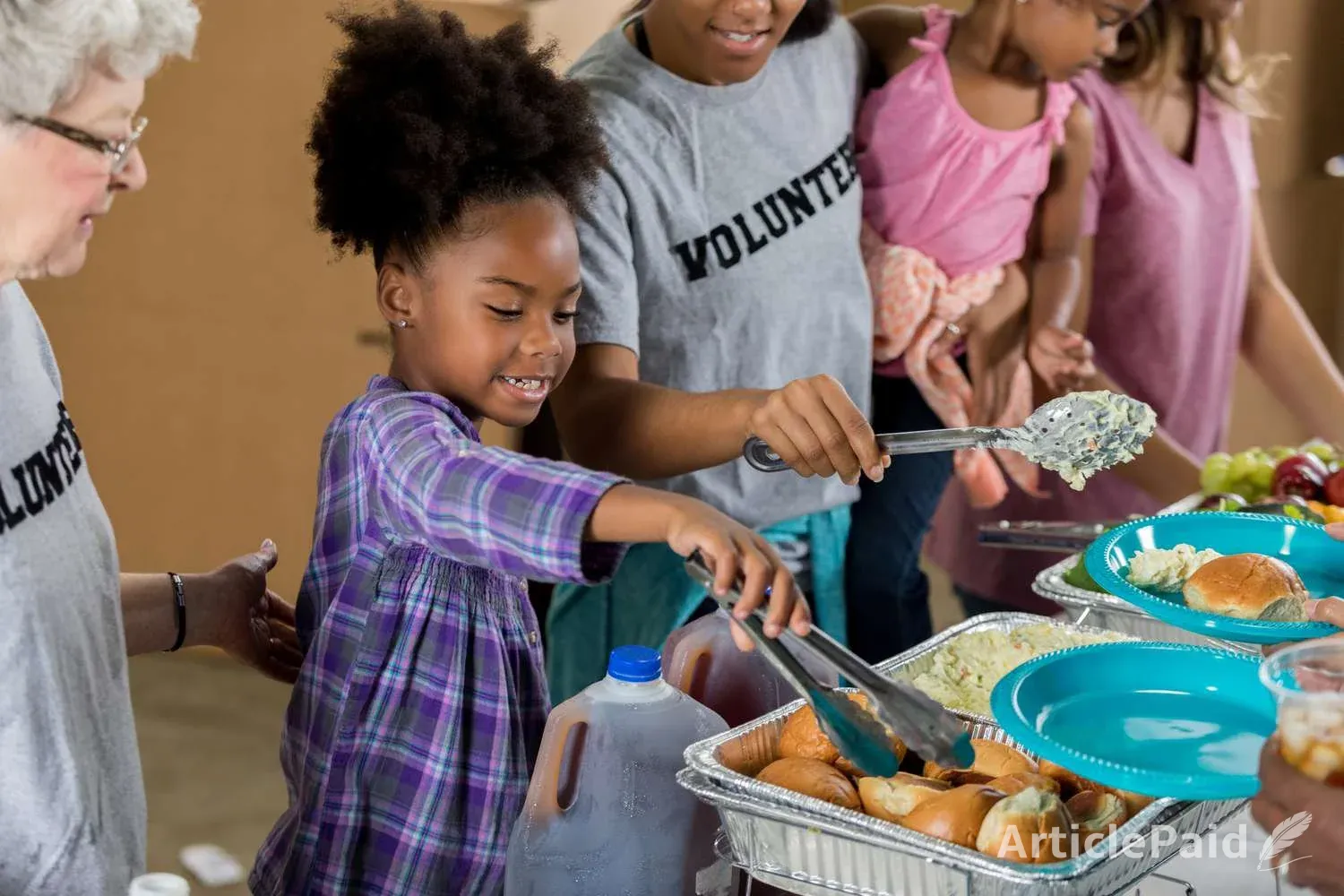
more than once. Schools and childcare providers may also share part
of the burden, they believe. Programs such as the U.S. Department of
Agriculture’s Fresh Fruit and Vegetable Program and the Farm to
School Program allow kids to try out new foods through taste tests
and school gardens so parents don’t have to carry the financial
burden of every new food tested.







Responses (0)