
Introduction
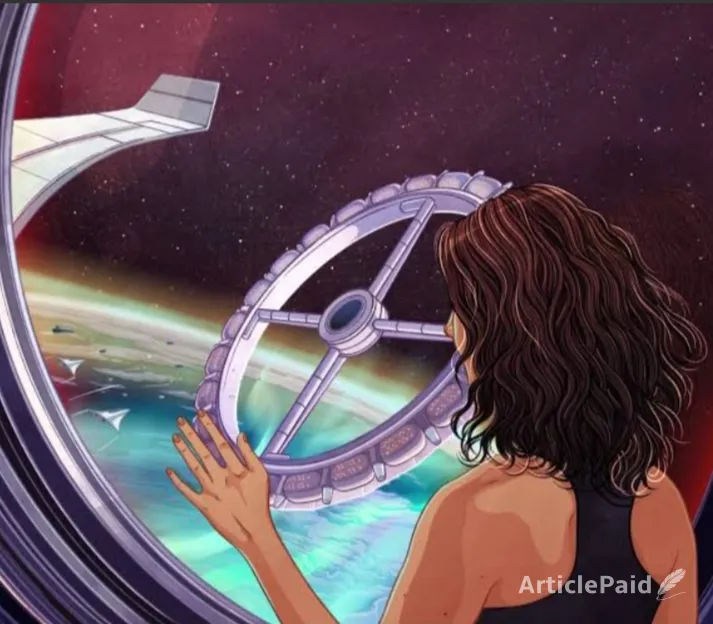
Space travel is changing fast in 2026. After 50 years of the Moon landing, humans are now looking at Mars. Companies and governments are planning missions to Mars in the next 10 years. This article explains where space travel is going and what Mars missions will look like.
From Moon to Mars
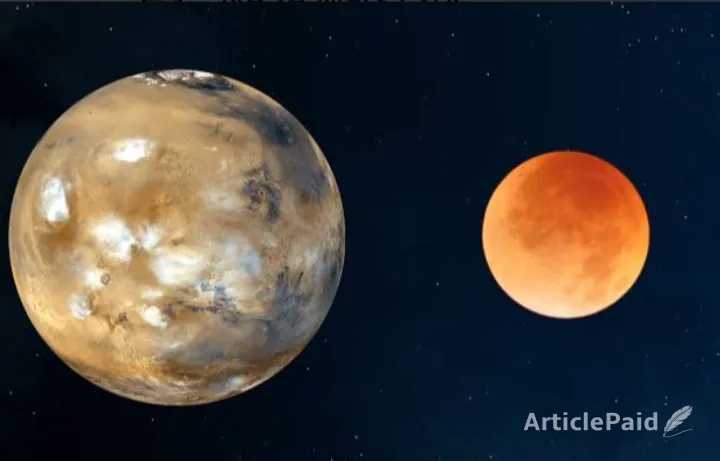
The Moon was the first step. Now Mars is the next goal. Mars is called the "Red Planet". It is 225 million km away. A trip takes 7 to 9 months. Scientists think Mars had water in the past. This means life might have existed there.
Who Is Going to Mars
NASA, SpaceX, and China are leading Mars missions. SpaceX wants to send humans by 2030 with Starship rockets. NASA is planning missions with astronauts in the 2030s. China also has Mars robots and plans for humans.
Challenges of Mars Travel
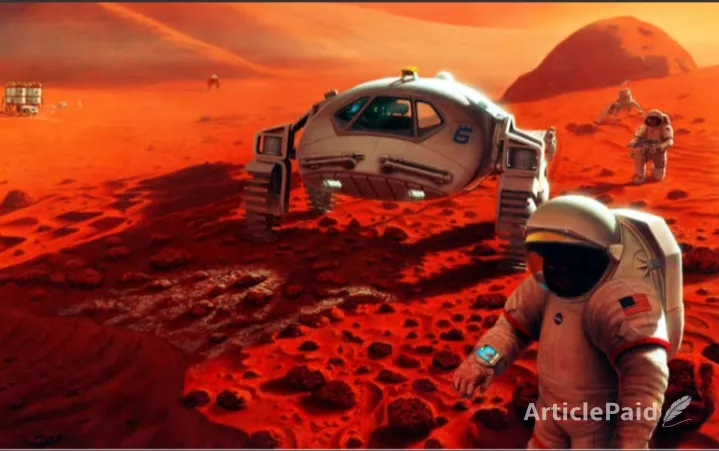
Space is dangerous. Astronauts face radiation, zero gravity, and loneliness. Food and water must be carried or made on Mars. Landing on Mars is hard because the atmosphere is thin. The temperature is also very cold, minus 60 degrees.
Life on Mars
The first Mars bases will be small. They will use 3D printed houses made from Martian soil. Solar panels will provide power. Water can be taken from ice under the ground. Plants can grow in special farms inside domes.
Robots First
Before humans, robots will go. Rovers like Perseverance are already collecting rocks. Future robots will build shelters and test water. This will make it safer for humans.
Why Go to Mars
There are 3 reasons. Science: to study if life existed. Safety: Mars can be a backup for humanity. Economy: Mars has minerals and resources. Space travel also creates new jobs and technology on Earth.
Problems to Solve
We need better rockets to make travel faster. We need to protect astronauts from radiation. Mental health is also a problem. Being away from Earth for 2 years is hard. Communication with Earth has a 20 minute delay.
The Role of Private Companies
In 2026, private companies do most space work. SpaceX, Blue Origin, and others build rockets cheaper and faster. This is like how computers went from government to companies.
Life in 2050
By 2050, there may be 100 people living on Mars. They will grow food, do research, and send data to Earth. Trips to Mars may become normal like flights today. Tickets will still be expensive but prices will drop.
Risks and Ethics
Some people ask if we should go to Mars. Is it safe? Will we bring Earth germs to Mars? Will we damage Mars? Scientists are making rules to protect both planets.
Conclusion
The future of space travel is Mars. In 2026 we are in the planning stage. By 2035 humans may walk on Mars. Space travel will change science, jobs, and how we see Earth. The next 20 years will be the most exciting time in space history.
Summary
This article explains the future of space travel and Mars missions. Challenges include travel time and radiation. But with new rockets and robots, humans may live on Mars by 2050.






















Responses (1)
Sign in to share your thoughts.
Sign in