
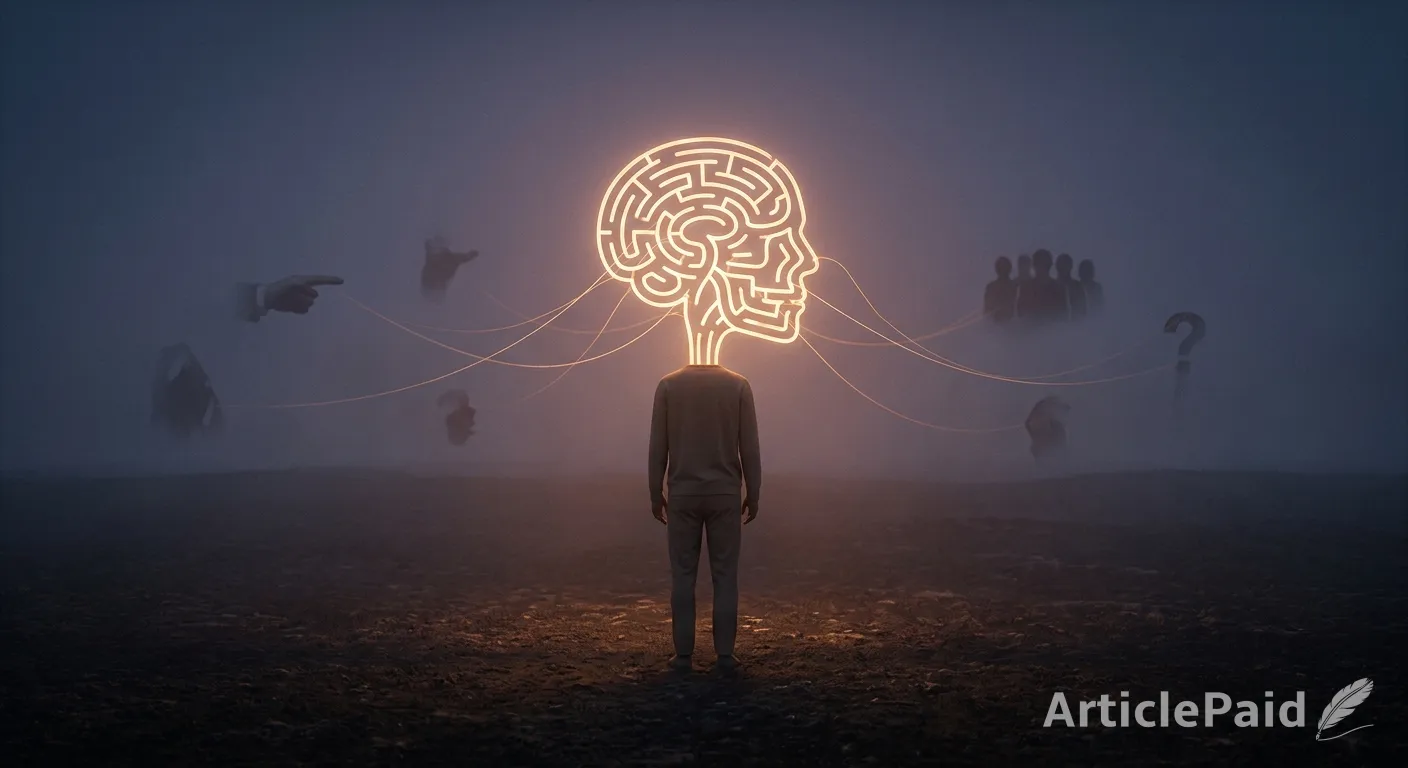
1. Cognitive Biases: The Shortcuts That Mislead Us
- Confirmation Bias: We actively seek out information that supports what we already believe while ignoring or dismissing evidence that proves us wrong.
- The Dunning-Kruger Effect: People with limited knowledge in a subject often overestimate their expertise, while true experts tend to underestimate theirs.
- Optimism Bias: We routinely believe that bad things are less likely to happen to us than to others, leading us to take unnecessary risks.
[ Information Input ] ──> [ Brain's Shortcuts (Heuristics) ] ──> [ Systemic Errors / Biases ]2. Emotion Over Logic
We like to think of ourselves as rational creatures who make decisions based on facts. In reality, humans are primarily emotional beings who use logic after the fact to justify decisions they've already made based on feeling."When dealing with people, remember you are not dealing with creatures of logic, but creatures of emotion."— Dale Carnegie Fear, desire, vanity, and the need for belonging regularly override cold, hard evidence. This is why brilliant people often fall for obvious scams, bad investments, or manipulative propaganda—because the offer appeals to an intense emotional desire rather than reason.
3. The Need for Belonging (Tribalism)
For hundreds of thousands of years, being cast out of a tribe meant almost certain death. As a result, human beings evolved a deep-seated need to conform to the group.In the modern world, this manifests as groupthink and social conformity:- We often adopt opinions simply because our "group" (friends, political party, online community) holds them.
- We will ignore obvious truths if accepting them risks alienating us from our peers.
- In many cases, social connection matters more to the human brain than objective truth.
4. Overconfidence in Our Own Knowledge
Perhaps the greatest foolery of all is our conviction that we see the world clearly and objectively. Psychologists refer to this as naive realism—the belief that we perceive reality as it truly is, and that anyone who disagrees with us must be uninformed, irrational, or biased. We rarely stop to consider how much of our perspective is shaped by our upbringing, culture, timing, and random luck.
Summary: Embracing Humility
Feature Evolutionary Purpose Modern Drawback Heuristics Fast decision-making for survival Susceptibility to misdirection and bias Tribal Loyalty Protection and community cohesion Blind conformity and polarization Pattern Seeking Identifying threats and food sources Seeing connections where none exist Recognizing human foolishness isn't a reason for cynicism; it is an invitation to intellectual humility. The moment we assume we are too smart to be fooled is usually the exact moment we fall victim to our own biases. Real wisdom begins when we acknowledge just how easily our minds can play tricks on us.
More from ArticlePaid

The Fascinating World of Science Museums: A Journey Through
IntroductionScience museums are more than just buildings filled with objects; they are gateways to discovery, learning, and innovation. These institutions
784 views 0 comments
Climate Change & Sudden Heat Bursts Global Climate trouble &Survival companion
preface Climate change is no longer a distant environmental concern it has come a global exigency that's reshaping rain...
391 views 0 comments
How Many People Live on a Space Station Right Now? in 2026
Have you ever wondered how many people are actually living in space at this moment? Right now, in April 2026, exactly 10 humans ar...
143 views 1 comments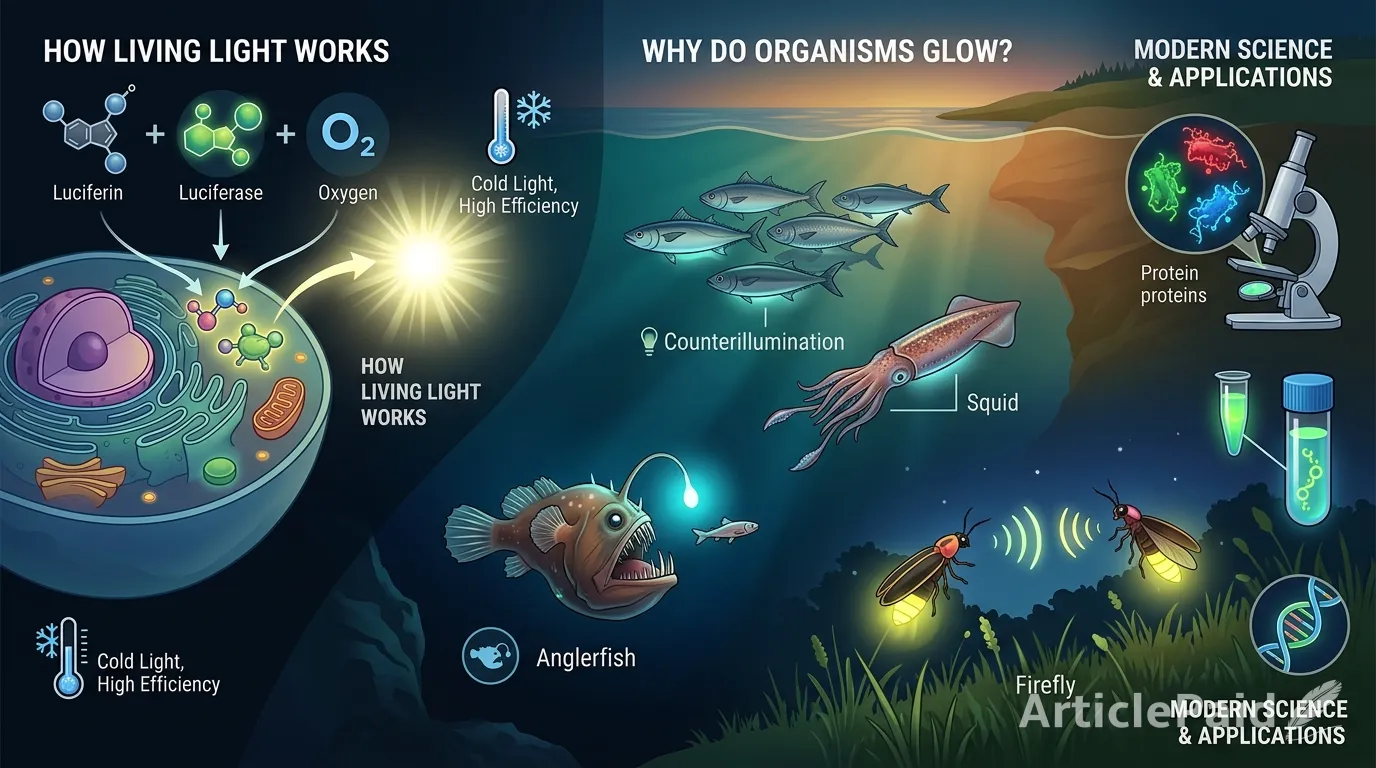
Light in the Darkness: The Hidden World and Marvels of Living Bioluminescence in
Light in the Darkness: The Hidden World and Marvels of Living Bioluminescence in NatureWhile humans rely on artificial electricity...
10 views 0 comments
Top 10 Earthquakes That Shook the World and Changed History
Explore the top 10 most devastating earthquakes in world history, detailing their impact, magnitude, and the lessons they left behind.
223 views 0 comments
The Sturgeon Moon of August 2025 Captivates the Night Sky:
On August 10, 2025, the Sturgeon Moon illuminated the night sky, captivating sky enthusiasts worldwide. This full moon, named after the abundant sturgeon
488 views 2 comments
Secret Risks of Tea Packs Experimenter's Caution of Micro
Tea is one of the most consumed drinks extensively, offering warmth, solace, and various medical advantages. Be that as it may, a new exposure to tea packs has started huge worries. Researchers have set up that numerous tea sacks discharge"
261 views 0 comments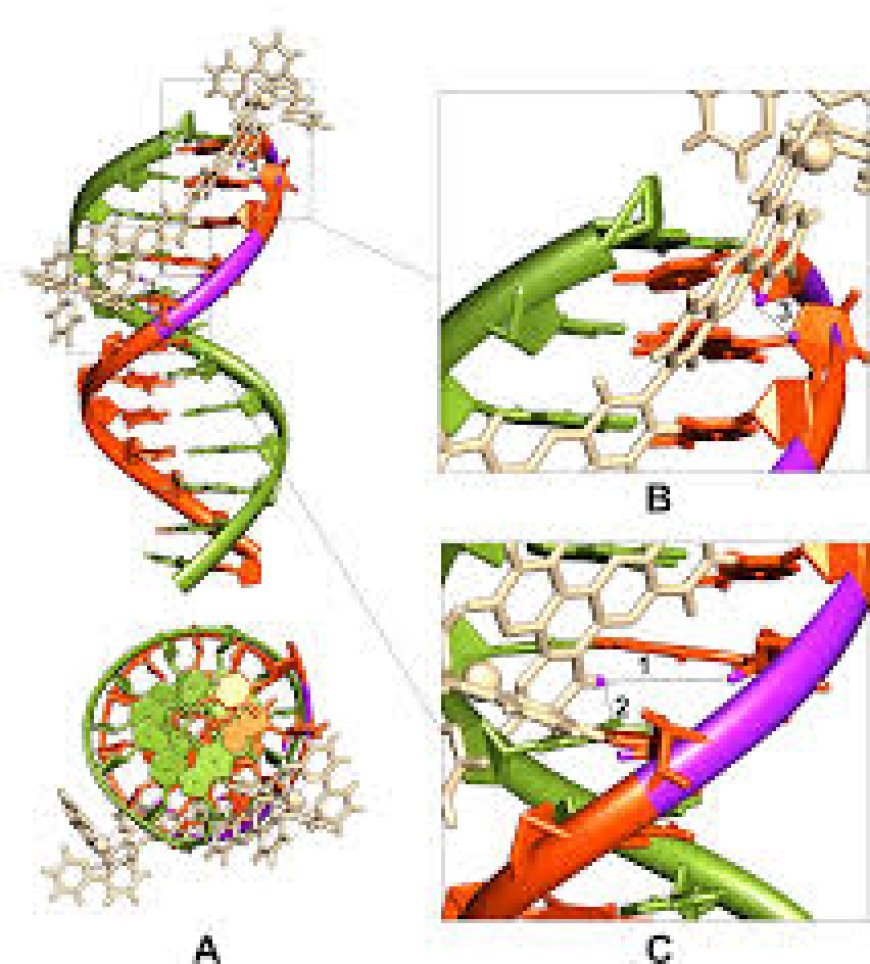
Revolutionizing Single-Cell RNA Sequencing with CSI-GEP
CSI-GEP is a breakthrough computational tool that improves single-cell RNA-seq analysis using scalable, consensus-based NMF. It overcomes limitations of traditional methods by efficiently identifying reproducible gene expression programs, outperforming existing approaches in accuracy and speed.
286 views 0 comments
Tsunami Warning in California: Latest Developments
A comprehensive report on the tsunami advisory issued for California’s coast following a massive earthquake near Russia’s Kamchatka Peninsula
228 views 0 commentsWeekly Top Articles

10 Books That Will Change Your Mindset in 2026 and Transform Your Life
IntroductionThere are always books that change your thinking, help you find and develop new habits, and become a better person ove...
Light in the Darkness: The Hidden World and Marvels of Living Bioluminescence in
Light in the Darkness: The Hidden World and Marvels of Living Bioluminescence in NatureWhile humans rely on artificial electricity...

7 Things Mentally Strong People Don't Do to Protect Their Peace and Happiness
Mental strength is the ability to manage your feelings and behaviors when facing challenges. It is not a sign of being unfeeling o...

How to Earn Dollars in Pakistan Without Freelancing: 7 Proven Ways
IntroductionIt is entirely feasible to start making money in Pakistan without working as a freelancer; all you need is an in...

10 Foods You Should Never Store in Your Fridge to Keep Them Fresh Longer
IntroductionRefrigeration helps to preserve a great many foods, but some of the ingredients will actually lose their flavour, text...

Discover how Hesai's new Kosmo spatial camera combines 3D
How a New 3D AI Camera Could Help Robots Understand the Real WorldPublished: October 15, 2026Artificial intelligence is moving bey...







Responses (0)
Sign in to share your thoughts.
Sign in