
How a New 3D AI Camera Could Help Robots Understand the Real World
Published: October 15, 2026
Artificial intelligence is moving beyond computer screens and into the physical world. A new development from Chinese technology company Hesai Group highlights how advanced cameras and spatial mapping systems could help robots understand their surroundings more accurately.
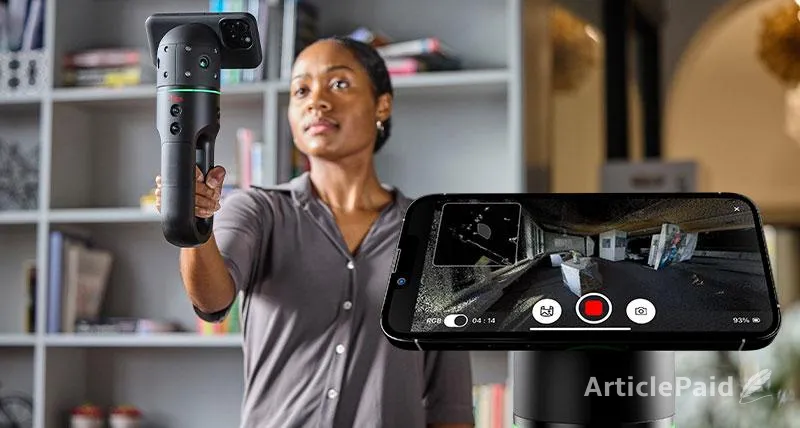
On October 14, 2026, Hesai announced Kosmo, a spatial intelligence system designed to capture real-world environments and convert them into detailed three-dimensional digital spaces. The technology is intended to support robot training, digital content creation, and other applications that depend on accurate spatial information.
What Is the Kosmo AI Camera?
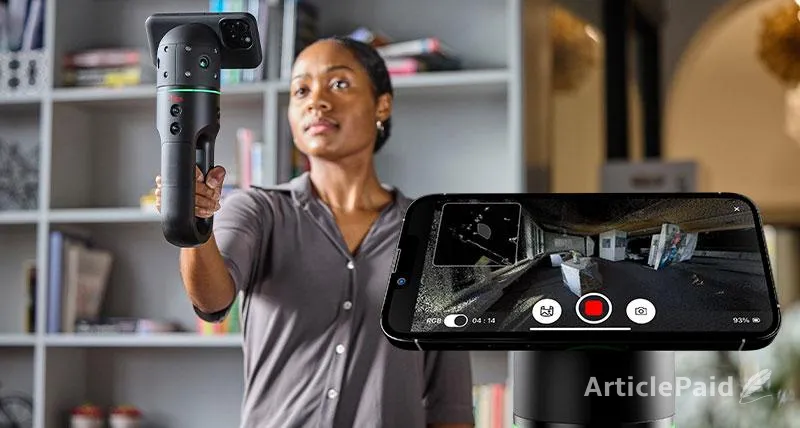
Kosmo includes a device called Kosmo One, which combines high-resolution imaging with LiDAR-based distance sensing and other positioning technology. Unlike a conventional camera that primarily records images, this system is designed to capture information about the shape, depth, position, and appearance of objects in an environment.
This information can then be processed into a detailed 3D representation of a real location. Developers can use these digital environments to study spaces, create simulations, and prepare training data for artificial intelligence systems.
According to Hesai's announcement, the wider Kosmo platform combines the camera with cloud-based tools that help process and manage captured spatial data.
Why Does This Matter for Robotics?
Robots need more than the ability to recognize objects. They must also understand where objects are located, how much space is available, and how different parts of an environment relate to one another.
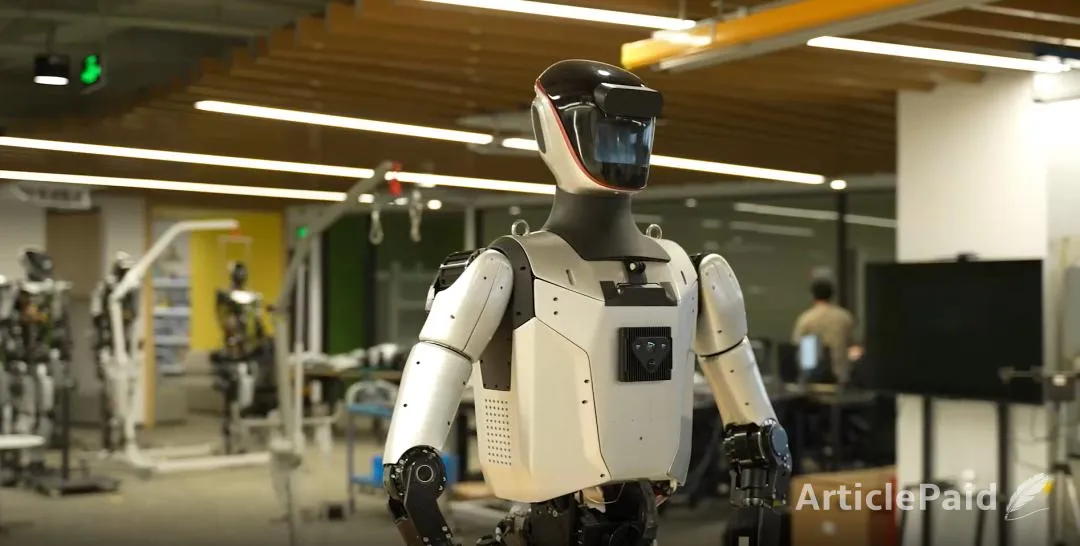
For example, a robot working in a warehouse may need to identify a shelf, calculate the distance to a package, and determine a safe path around nearby obstacles. Reliable spatial information can help developers build and test systems designed to perform these tasks.
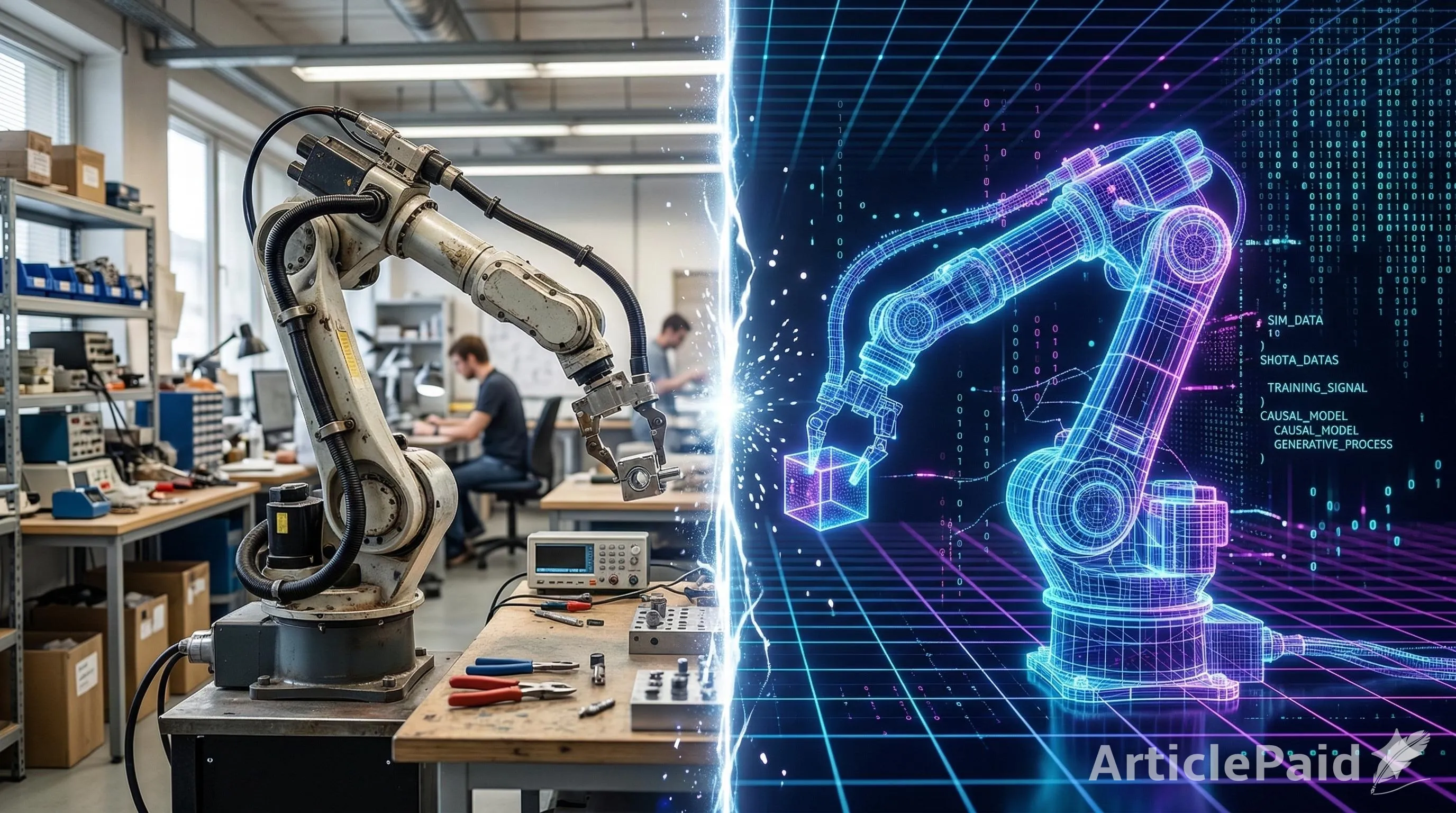
Detailed digital environments may also allow engineers to test certain robotic operations in simulations before deploying machines in real locations. However, success in a simulation does not automatically guarantee that a robot will perform equally well in every real-world situation.
Potential Uses Beyond Robots
The technology may have applications in several industries. Film and game developers could use detailed 3D scans to create realistic digital environments. Architects and designers may benefit from accurate digital representations of buildings and indoor spaces. Businesses could also explore spatial mapping for planning facilities and documenting complex locations.
These applications depend on practical factors such as scanning quality, processing requirements, cost, and compatibility with existing software.
Challenges That Still Need Attention
Although spatial AI technology is developing quickly, several challenges remain. Collecting accurate data can be difficult in crowded or changing environments. Developers must also consider privacy when scanning homes, workplaces, and public spaces.
Another important question is how well trained robotic systems will transfer what they learn from digital environments to unpredictable real-world conditions. Continued testing will be necessary to understand the technology's practical limitations.
What Happens Next?
Hesai's Kosmo announcement reflects a broader effort to connect artificial intelligence with machines that interact with the physical world. Better spatial data could help developers create more detailed simulations and improve the way robotic systems are trained.
The technology's long-term impact will depend on adoption, affordability, reliability, and measurable performance outside controlled demonstrations. For now, it represents a notable development in the growing field of physical AI.






















Responses (0)
Sign in to share your thoughts.
Sign in