The Piano in Everyday Life: How Music Creates Lasting Memories

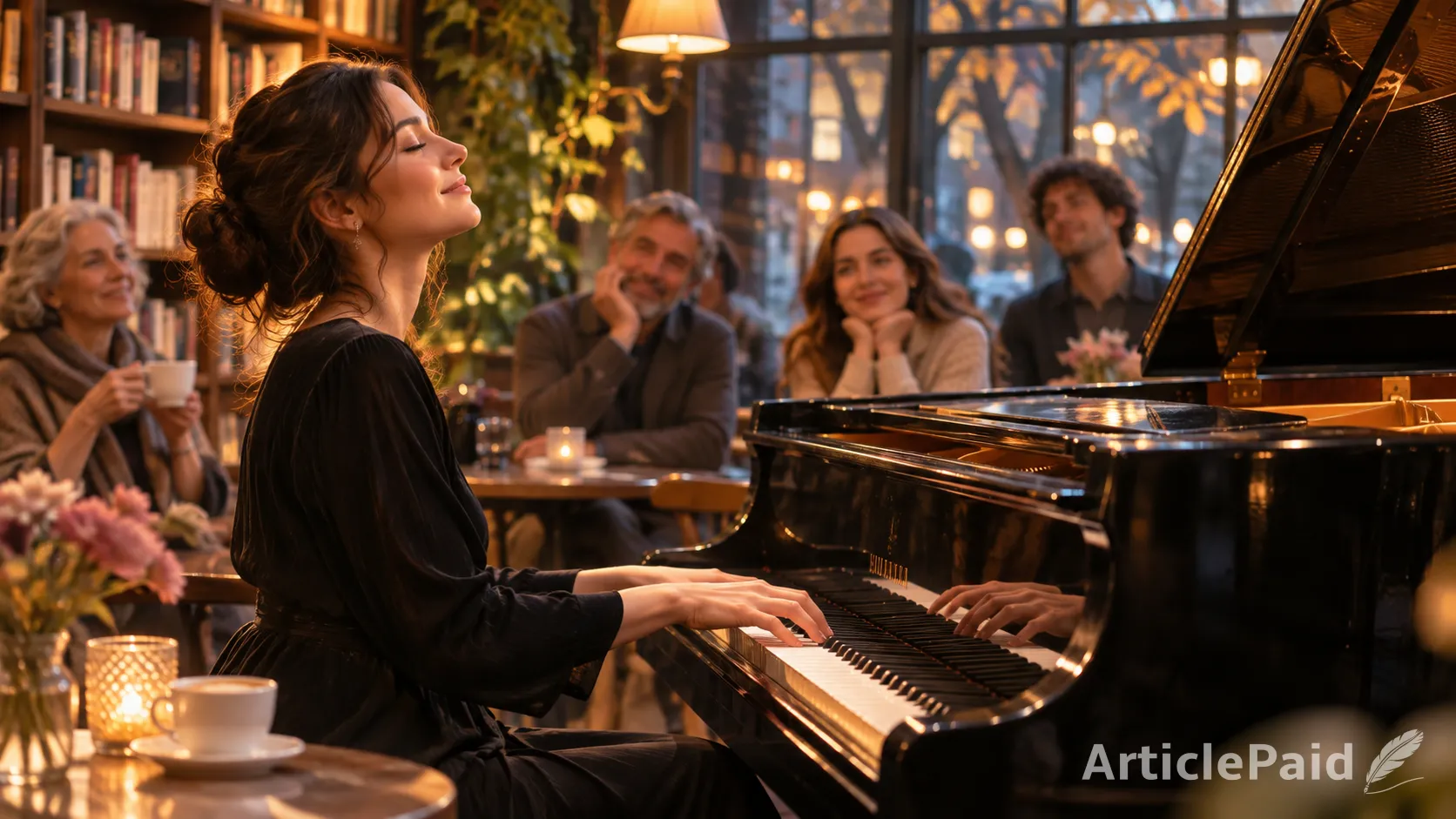
The Piano in Everyday Life: How Music Creates Lasting Memories
The Unexpected Power of a Simple Melody
Imagine walking through a busy city on an ordinary afternoon. Cars move along crowded streets, people hurry between appointments, and conversations blend into the familiar sounds of urban life.
Then, somewhere nearby, a piano begins to play.
Perhaps the music comes from a small café, a railway station, or an open window. The melody is gentle, but something about it makes you slow down.
For a brief moment, the noise of everyday life seems less important.
You may remember a family gathering, a favorite film, or a person who once played that same piece.
This simple experience reveals something remarkable about music: a melody can change the emotional atmosphere of a place and transform an ordinary moment into a lasting memory.
The piano has a particularly special ability to create these experiences.
Why Piano Music Connects With Our Emotions
Music communicates in ways that ordinary language cannot always achieve.
A slow piano composition may evoke nostalgia, while a lively rhythm can inspire excitement. Powerful chords can express drama, and delicate notes may create a feeling of peace.
However, the emotional meaning of music is not identical for everyone.
One listener might associate a melody with childhood, while another remembers an important personal achievement.
These individual experiences make every musical performance unique.
The piano offers a remarkably broad range of expression. A skilled pianist can move from quiet, intimate passages to powerful musical climaxes within a single composition.
The instrument also allows melody and harmony to exist together, giving performers an extraordinary opportunity to communicate complex emotions.
Yet the instrument alone does not create this emotional connection.
Behind every memorable performance stands a musician who brings personal understanding, experience, and creativity to the music.
The Human Story Behind Every Performance
When audiences watch an accomplished pianist, the performance may appear effortless.
The musician's fingers move naturally across the keyboard, difficult passages flow smoothly, and the music seems to emerge without hesitation.
But such confidence usually develops through years of practice.
Learning the piano requires patience, coordination, concentration, and determination.
Beginners must understand musical notation, develop hand independence, and learn to maintain rhythm. As they progress, they encounter increasingly demanding compositions and interpretive challenges.
Professional pianists continue refining their skills throughout their careers.
They study musical structure, explore different interpretations, and experiment with dynamics and phrasing.
Their goal is not simply to play the correct notes.
It is to transform written music into a meaningful artistic experience.
This is why two pianists can perform the same composition and create completely different impressions.
Each interpretation reflects the musician's personality and artistic vision.
The Musicians Who Rarely Receive Recognition
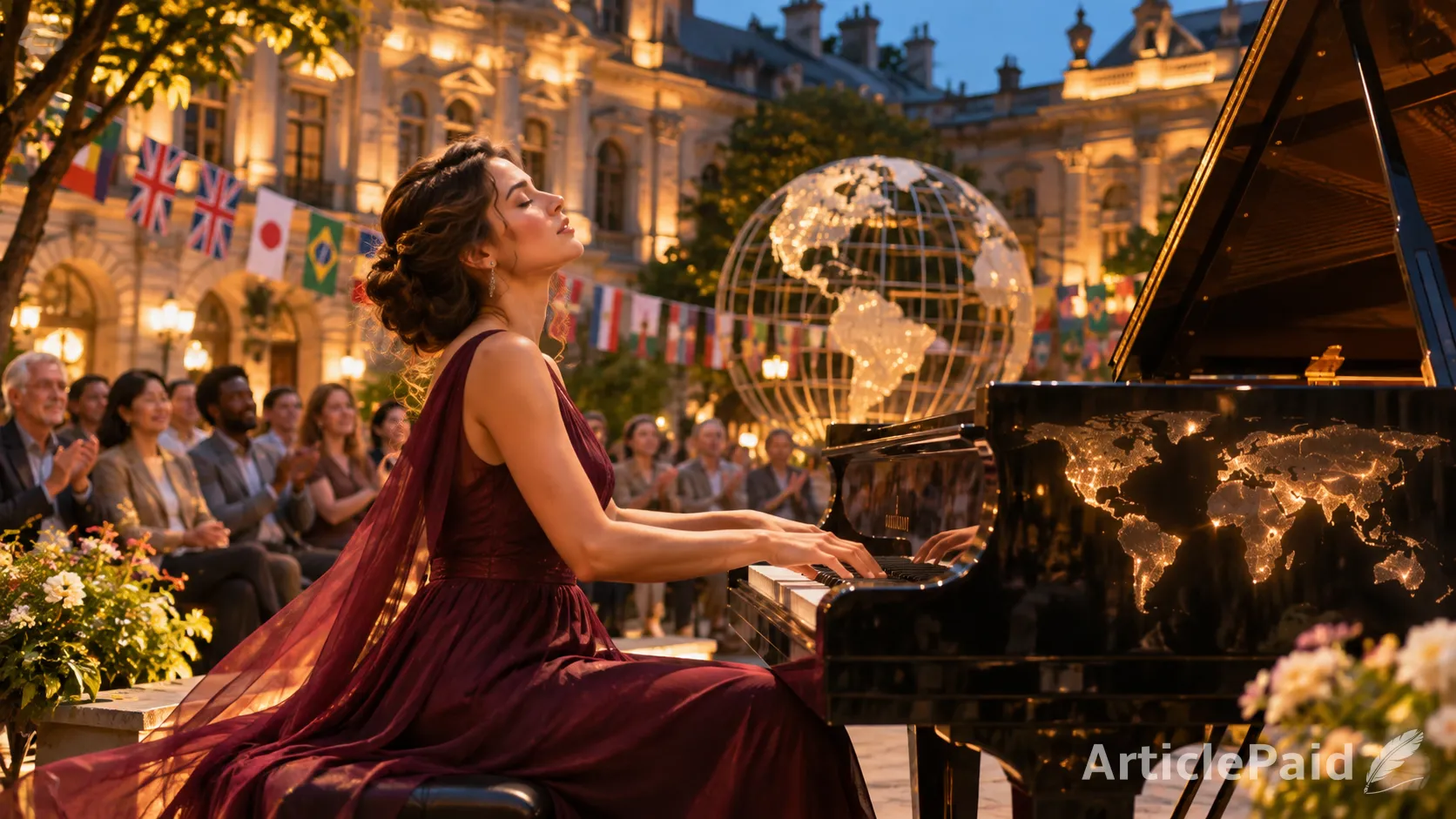
When people think of pianists, they often imagine internationally celebrated performers appearing in prestigious concert halls.
However, the world of piano music extends far beyond famous artists.
Consider a music teacher who spends decades introducing children to their first melodies.
Some students may eventually become professional musicians, but others will simply carry their appreciation of music throughout their lives.
Both outcomes matter.
Think about a pianist accompanying a local choir, performing at a community gathering, or volunteering at a cultural event.
These musicians may never attract international attention, yet their contributions can be deeply meaningful to the people around them.
There are also countless amateur pianists who practice at home after work or study.
For them, playing the piano provides an opportunity for creativity, relaxation, and personal expression.
Together, these individuals help preserve and develop musical culture.
Their dedication deserves recognition.
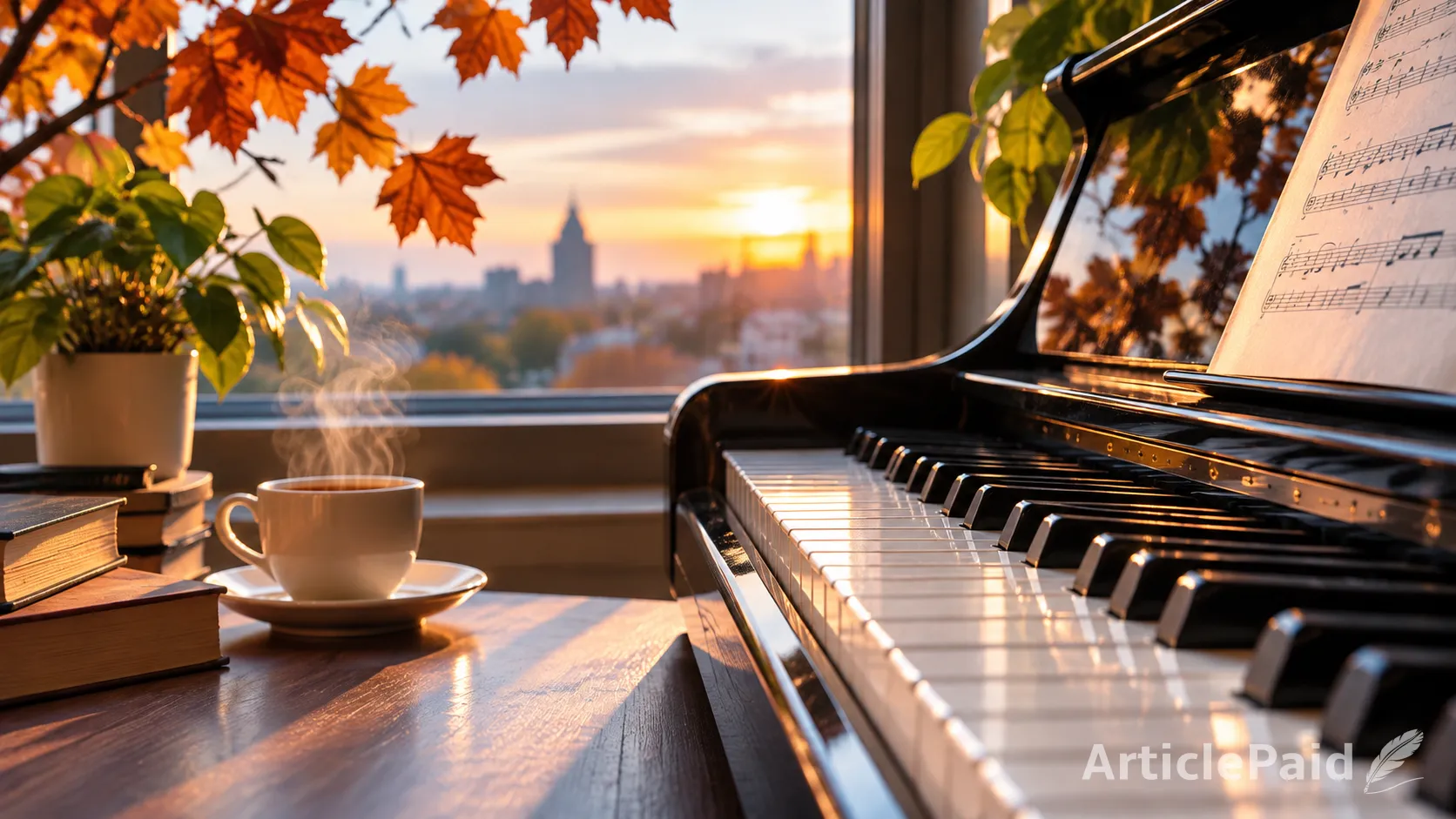
World Pianist Day: A Celebration of Musical Dedication
World Pianist Day offers an opportunity to acknowledge the people who make piano music an important part of our lives.
The initiative was launched in 2014 by Ivan Manko and is celebrated annually on November 8.
Its purpose is to recognize pianists, music educators, students, and enthusiasts who contribute to the development and appreciation of piano music.
The celebration is not limited to famous performers or professional musicians.
It welcomes anyone who values the instrument and the people who bring its music to life.
A school can organize a student recital. A local musician can share a performance. Music lovers can introduce friends to an inspiring pianist.
Even a simple message of appreciation can become part of the celebration.
Readers interested in the history, meaning, and international activities associated with the event can explore the official World Pianist Day website.
The central message of the celebration is clear: musical achievements deserve appreciation, but so do the dedication and effort behind them.
How the Piano Brings Generations Together
One of the most fascinating qualities of piano music is its ability to connect people who grew up in different periods.
Grandparents may remember classical compositions that were popular during their youth.
Parents might associate piano melodies with films, celebrations, or significant life experiences.
Children may discover the instrument through animation, video games, or contemporary music.
Although their musical preferences differ, they can still share meaningful experiences through the same instrument.
Imagine a family gathering where everyone chooses a favorite piano composition.
One person selects Chopin, another chooses a jazz performance, and a younger family member suggests a soundtrack from a favorite game.
The result is more than a playlist.
Each composition creates an opportunity to discuss memories, discover unfamiliar styles, and understand one another better.
Music does not eliminate generational differences.
Instead, it provides a shared space where those differences can become interesting and enriching.
Piano Music in the Digital Age
Technology has dramatically transformed how people discover, learn, and share music.
Online lessons allow students to study with teachers across geographical boundaries.
Digital pianos and recording software make music creation more accessible.
Video platforms enable emerging artists to share performances with audiences around the world.
A young pianist no longer needs an appearance in a major concert hall to introduce their work to international listeners.
A thoughtful performance recorded at home may inspire someone thousands of miles away.
However, technological progress also raises an important question.
Do we pay enough attention to the artists behind the music we consume?
Streaming services and social platforms provide immediate access to countless performances, but listeners may remember a melody without remembering the person who played it.
Recognizing musicians as individuals is therefore especially important.
Their skill, creativity, and dedication remain essential, regardless of how music reaches its audience.
The Meaning of Saying Thank You
Most people can remember at least one musician who has influenced their lives.
Perhaps a piano teacher encouraged them during a difficult lesson.
Maybe a particular performance offered comfort during a challenging period.
Or perhaps a pianist inspired them to begin learning an instrument.
These experiences are often deeply personal.
Yet we rarely take the time to communicate our appreciation directly.
The "Thank a Pianist" initiative, associated with World Pianist Day, encourages music lovers to recognize performers who have made a positive difference in their lives.
Participation can be simple.
You might share a favorite pianist's performance, mention their name on social media, or send a personal message expressing gratitude.
Teachers, family members, friends, and local artists can all be part of this appreciation.
The purpose is not to create an elaborate public ceremony.
It is to remind musicians that their work matters.
More information about the international celebration and its cultural initiatives is available through World Pianist Day.
Sometimes, a few sincere words can have a greater emotional impact than we expect.
Five Meaningful Ways to Celebrate November 8
World Pianist Day can be celebrated in many ways, even by people who have never played the piano.
One approach is to discover a new pianist. Listening to an unfamiliar performer can introduce you to different musical traditions and interpretations.
Another possibility is to attend a local recital and support musicians within your community.
Families can also organize a small musical evening, sharing favorite piano compositions and discussing the memories associated with them.
Students may choose to record a short performance and celebrate their progress, regardless of their current skill level.
Finally, everyone can take a moment to thank a pianist or music teacher who has provided inspiration.
None of these activities requires a large budget or extensive preparation.
What matters is the willingness to listen, participate, and recognize the value of music.
Why Musical Appreciation Should Continue Beyond One Day
Although World Pianist Day takes place on November 8, its message remains relevant throughout the year.
Music educators need encouragement beyond annual celebrations.
Local performers benefit from continued community interest.
Young musicians need opportunities to develop their abilities and share their work.
Supporting musical culture can take many forms.
Attending concerts, recommending independent artists, and encouraging children's musical education all contribute to a healthier creative environment.
It is also important to remember that musical achievement cannot be measured only through awards or professional success.
For many people, the piano is a lifelong personal passion rather than a career.
An amateur performer who brings joy to family members or friends contributes something valuable.
Music enriches communities through both extraordinary public performances and quiet everyday experiences.



Responses (0)