
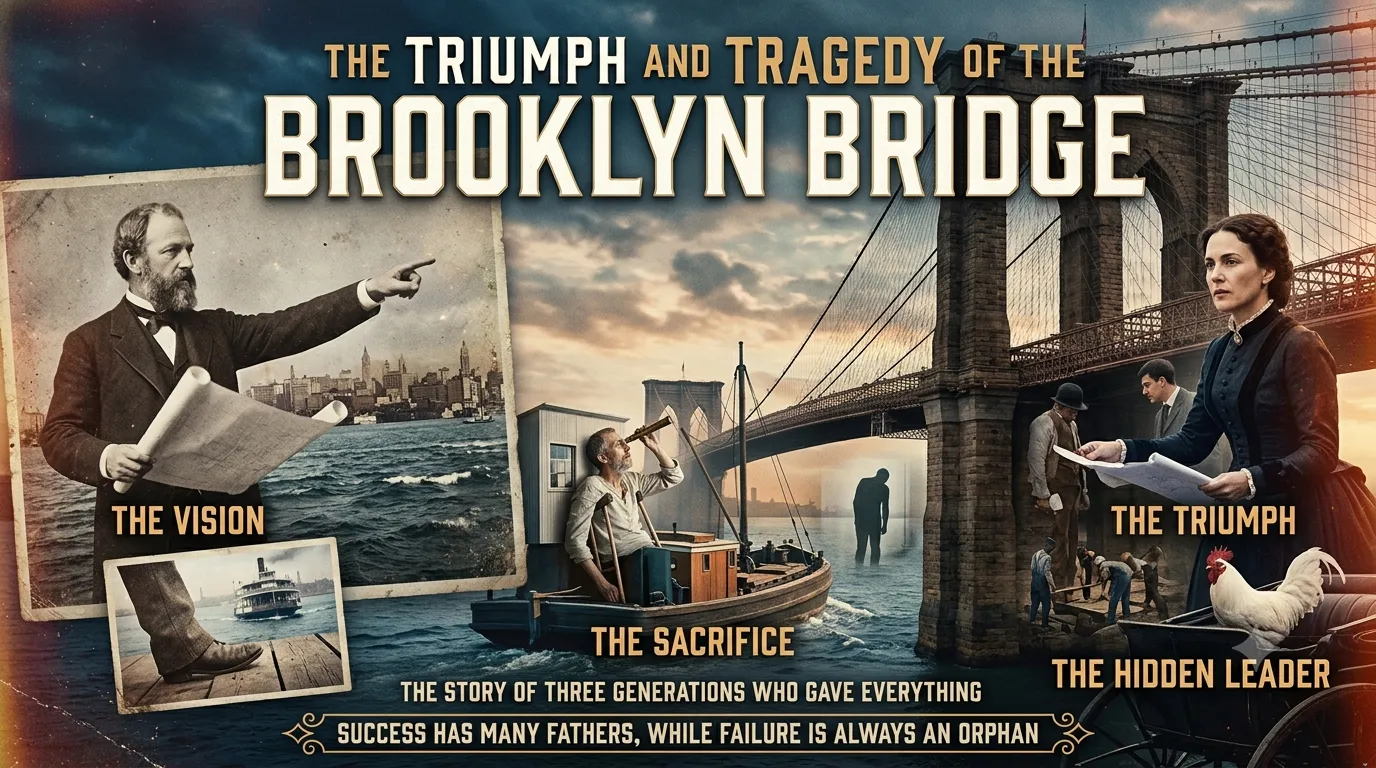
In the mid-19th century, the East River was a raging barrier separating the bustling cities of Manhattan and Brooklyn. Ferries struggled against ice and treacherous currents, leaving commuters stranded for hours. The idea of bridging the wild waterway seemed like pure fantasy—a dream so daring that mainstream engineers scoffed at it. Yet, one family chose to gamble everything, across three generations of sacrifice, to make the impossible real.
The Visionary Father
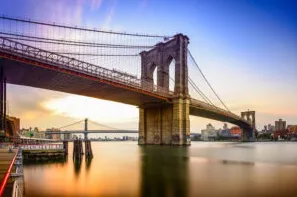
The story begins with John Augustus Roebling, a brilliant German-born immigrant and pioneer of steel wire rope.
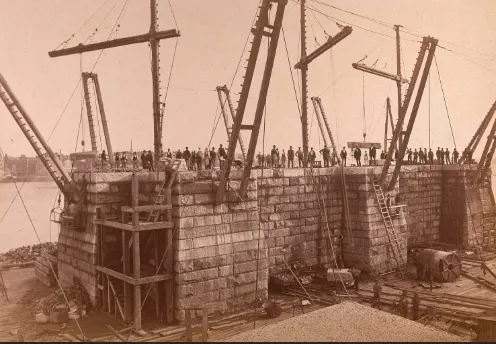
John possessed an unyielding vision: a suspension bridge grander and stronger than anything the world had ever seen, supported by massive stone towers and thick steel cables.
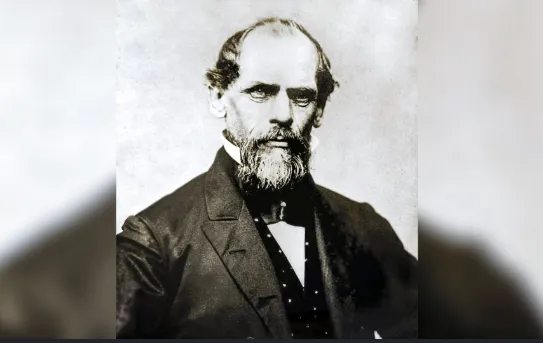
By 1869, after years of intense political lobbying, John finally secured approval to begin construction. But fate struck a cruel blow before the first stone was even laid. While standing on a dock surveying the site, a incoming ferry slammed into the pilings, crushing John’s foot. Refusing standard medical treatment in favor of hydrotherapy, tetanus set in. Within weeks, the mastermind behind the bridge suffered a agonizing death.
The great dream threatened to die before it had even begun.
The Son’s Sacrifice
Stepping out from his father's shadow was Washington Roebling, a 32-year-old Civil War veteran and gifted engineer. Washington inherited not only his father’s blueprint, but also his unrelenting work ethic.
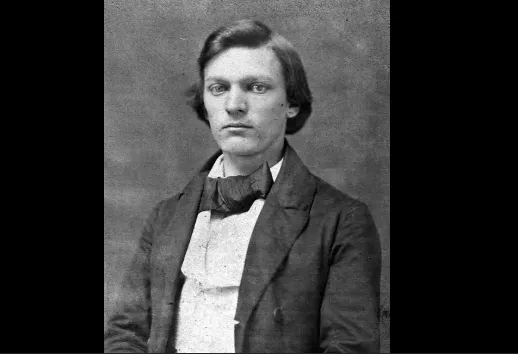
To build the bridge’s massive stone foundations, workers had to dig deep into the riverbed using massive, submerged wooden boxes called caissons. Filled with compressed air to keep the water out, these cavernous underground chambers were hot, dark, and terrifying. Washington spent countless hours beneath the river, working side-by-side with his laborers.
Then came the unseen enemy: decompression sickness, then known as "caisson disease" or the bends. When workers surfaced too quickly from the pressurized caissons, nitrogen bubbles expanded in their bloodstreams, causing excruciating pain, paralysis, and death.
In 1872, Washington suffered a catastrophic attack of the bends. Left partially blind, paralyzed, deaf, and in constant agony, he could no longer physically visit the construction site. Locked in his bedroom in Brooklyn Heights, he watched the bridge's progress through a telescope from his window.
The Silent Heroine
With the father dead and the son incapacitated, the project faced fierce opposition from politicians and critics who demanded a replacement engineer. Enter Emily Warren Roebling, Washington’s formidable wife.
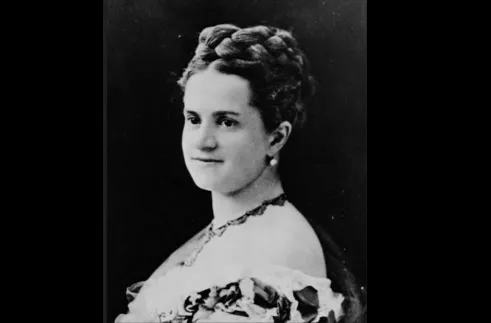
Determined to save her husband's life's work, Emily became Washington’s eyes, hands, and voice. She did not merely deliver messages; she mastered complex engineering, advanced mathematics, cable stress analysis, and structural design. For more than a decade, Emily managed the daily realities of the construction site. She negotiated with contractors, met with board members, instructed field engineers, and fended off political rivals who sought to strip Washington of his title.
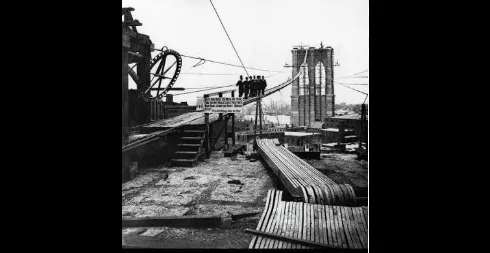
When skeptics questioned Washington's capability, Emily defended his genius before the American Society of Civil Engineers with such technical brilliance that she silenced all doubts. In truth, she had effectively become the Chief Engineer of the world's greatest engineering marvel.
The Great Opening
On May 24, 1883—fourteen years after construction began—the Brooklyn Bridge officially opened. It was hailed as the "Eighth Wonder of the World."
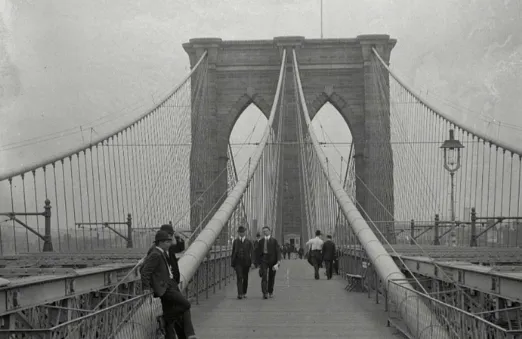
To honor her pivotal role, Emily Warren Roebling was given the honor of being the very first person to cross the bridge in a horse-drawn carriage, proudly carrying a white rooster as a symbol of victory and hope. Later that day, thousands of citizens, politicians, and dignitaries poured across the span to celebrate the landmark achievement.
When the bridge was finally complete, politicians rushed to take credit, investors boasted of their foresight, and the public celebrated the triumph of modern industrial power. The sacrifice, agony, and near-catastrophe that had plagued the Roebling family for over a decade were suddenly forgotten amidst the fanfare.
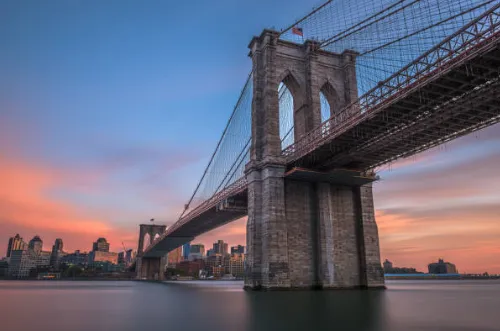
It served as a timeless reminder of human nature: success has many fathers, while failure is always an orphan. Yet standing tall above the East River, the great stone towers continue to tell the real truth—a testament to a family that sacrificed their health, lives, and youth to build a bridge into the future.






















Responses (0)
Sign in to share your thoughts.
Sign in