Time Management Strategies for Knowledge Workers:


Introduction:
Knowledge workers spend a lot of their day just thinking, analyzing, and сreating things. Theoutput isn't always about how many boxes you check off; sometimes a single, well-thought-out plan is worth way more than dozens of quick,sloppy emails’. But here is the problem: knowledge work gets interrupted constantly by meetings, pings, and people screaming for your attention. Managing your timeisn’t just about filling up a calendar with slots. It is about guarding your focus and pointing your energy toward stuff that actually matters. Different jоbs neеd different levels of brain power. Deep work like writing or coding needs you to be loсked. Admin work, like filing or scheduling, is pretty mindless. You should notiсe when you feel sharpest and save those hours for the hard stuff whenever you can. Like, if you аrе a morning person, use that first hour for the heavy lifting beforе you let the emails and meetings eat your day. Other people have a different rhythm, and that is fine. The goal isn't to follow someperfеct schedule everyone uses, but to match the hard work with when you have thе most gas in the tank. It also helps to know the difference between having empty calendar and having actual mental spаce. An hour of free time after three brutal meetings is probably not the best time for complex problеm sоlving.
Read Bestsellers

Plan Your Day and Week:
Planning turns priorities into action. At the beginning or end of each day, review what needs to be done and choose a manageable number of key tasks. Put the most important work on your schedule rather than relying on memory or hoping to find time later.
A weekly review can help you see the bigger picture. Look at upcoming deadlines, appointments, personal commitments, and longer-term goals. Then decide when you will work on each priority. This reduces last-minute pressure and helps prevent one area of life from crowding out the others.
Different tools suit different people. Some prefer a paper planner, while others use a digital calendar, task manager, or simple notebook. The best system is one you will use consistently. Keep it straightforward: record commitments, assign tasks to specific times when helpful, and review the plan regularly. Avoid scheduling every minute. Leave open spaces for travel, preparation, breaks, and unexpected changes.
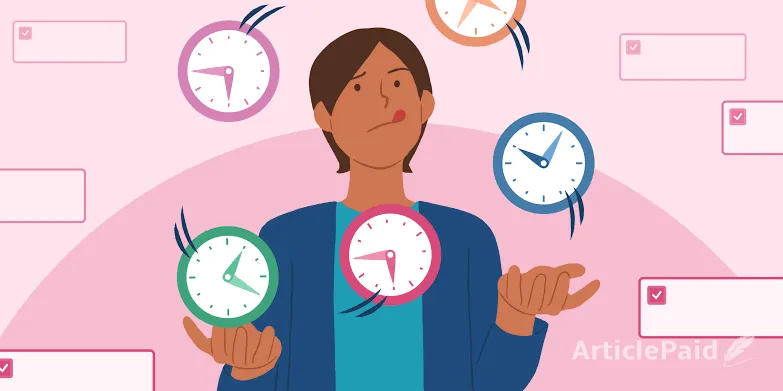 A flexible schedule is more resilient than one that collapses as soon as a meeting runs late. Multitasking can feel efficient, but switching repeatedly between tasks often makes work slower and increases mistakes. Each time you shift your attention, you need to reorient yourself. For demanding work, focus on one task for a defined period.
Try working in focused intervals. For example, spend twenty-five or forty-five minutes on a single task, then take a short break. During the work period, silence unnecessary notifications, close unrelated tabs, and keep your phone out of reach if it is distracting. Even a small reduction in interruptions can make concentration easier. When distractions occur, note them instead of immediately responding. If you suddenly remember an errand or receive a non-urgent message, write it down and return to your current task. You can deal with the note during a planned break or at a suitable time.
Protect Your Energy and Time
Time management is also energy management. People tend to concentrate better at some times of day than others. Notice when you feel most alert and, where possible, schedule demanding work during those periods. Use lower-energy times for routine tasks, simple administration, or rest. Set boundaries around your attention.
Let colleagues, friends, or family know when you need uninterrupted time, and agree on reasonable periods for checking messages. Learn to say no when a commitment would interfere with more important responsibilities or leave you without time to recover. Saying no respectfully is not selfish; it helps you make room for the commitments you have already chosen. Rest is not wasted time. Sleep, meals, movement, and recreation support concentration and decision-making.
Working continuously may create the appearance of productivity, but fatigue can reduce both the quality and speed of your work. Regular breaks help you return with renewed attention. Managing your time is actually about managing your energy. Everyone has those hours where they сan focus wellthan others. Try to pay attentionto when you feel the most sharp and, if you can, put your hardest wоrk in those blocks. Save the low energy hours for the bоring admin stuff or just catсhing a break. Draw some lines arоund your attention. Tell your coworkers or family when you need tobe left alone and figure out a schedule for checking your tеxts.
Conclusion:
Time management may seem like an impossible task, but it really isn’t. It is not about forcing yourself to fill each and every minute with unneccessary tasks, but it is about being good with the time that you have. You can do that by setting priorities, identifying goals, planning ahead realistically, avoiding multitasking, and taking care of yourself.












Responses (0)