Top Personal Finance Tips to Create and Stick to a Budget


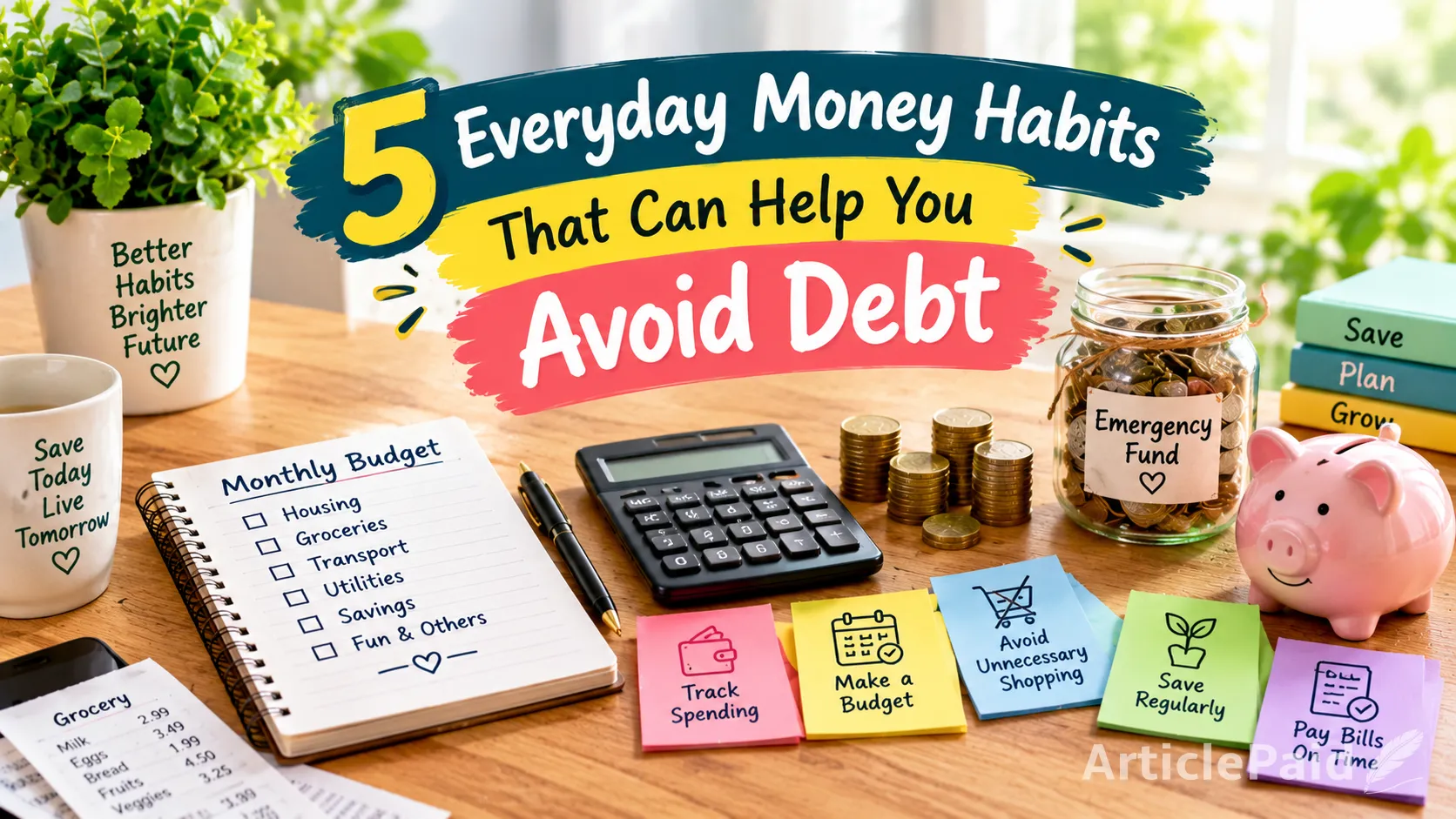
Let's be honest. Most of us have made a budget at least once. We felt great for about ten days. We wrote every expense in a notebook, felt very responsible, and then a wedding invite, a phone repair and a hungry weekend arrived together. The notebook went into a drawer.
If that sounds like you, don't blame yourself. Usually the plan was too strict, not you too weak. Here are the personal finance tips that actually help you build a budget and keep it alive.
Find Out Where Your Money Goes

Think about last month. Can you say, without checking, where your salary went? Most people can't, and that's normal.
Open your bank messages, mobile wallet and receipts. Write it all down, even the tiny things. The daily tea, the subscription you forgot to cancel, the delivery charges. You'll probably find one or two spots where money leaks away quietly.
Read Bestsellers
Use Your Real Income

Your budget needs one honest number: the amount that truly reaches your hands. Not your dream salary, and not your best month ever.
If your income changes, like with freelance work or a small business, use your lowest recent month as the base. Anything extra i
s a bonus. It feels good, and it keeps you out of trouble in a slow month.
Keep the Categories Simple
I've seen people make budgets with twenty categories. They quit in a week. Three groups are enough:
- Needs: rent, food, bills, transport, school fees.
- Wants: eating out, shopping, outings.
- Savings and debt: emergency money, goals, loan payments.
A common guide is 50% needs, 30% wants and 20% savings. But if your rent eats half your income, change the numbers. The budget should fit your life, not the other way round.
Pay Yourself First
This one habit changes a lot. When your money arrives, move your savings out right away, before you spend anything.
Waiting to save "whatever is left" almost never works, because nothing is left. Even a small amount counts. Honestly, the habit matters more than the amount in the beginning.
Start a Tiny Emergency Fund
Something unexpected will happen. It always does. A medical bill, a cracked phone screen, a sudden trip home.
Without a cushion, people borrow or use credit, and the budget collapses. So start small. Aim for enough to cover a week or two of basic costs, then grow it slowly. Keep it separate, somewhere you won't touch it for shopping.
Allow Some Fun
Here's a mistake I see a lot. People cut every treat and then explode three weeks later with a huge shopping trip. Sound familiar?
Give yourself a small amount for enjoyment, guilt-free. If you eat out twice a week, don't pretend you'll stop. Plan for it and set a limit instead. A budget you can live with beats a perfect one you abandon.
Choose a Tool You Will Open
You don't need fancy software. A notebook, a simple spreadsheet or a free app is fine. The best tool is just the one you'll actually use.
Try a ten-minute check-in every Sunday. Look at what you spent, see what went wrong, and adjust the next week. That's all.
Forgive Your Slip-Ups
You'll overspend sometimes. Everyone does. One bad day isn't the end of your plan.
Look at what happened, learn from it and move on. The people who stick with a budget aren't perfect. They simply keep coming back to it.
Save for Something Real
Saving for "someday" is hard. Saving for a specific thing is easier: a trip, a course, a new phone, a small business idea.
Write it down and keep it where you can see it. When you're tempted to spend, that goal gives you a reason to wait.
Read Bestsellers
Final Thoughts
A good budget isn't about saying no to everything. It's about deciding where your money goes before it disappears on its own.
So start small. Pick one tip from this list and try it this week. That's how a budget stops being an idea and becomes a habit.








Responses (0)