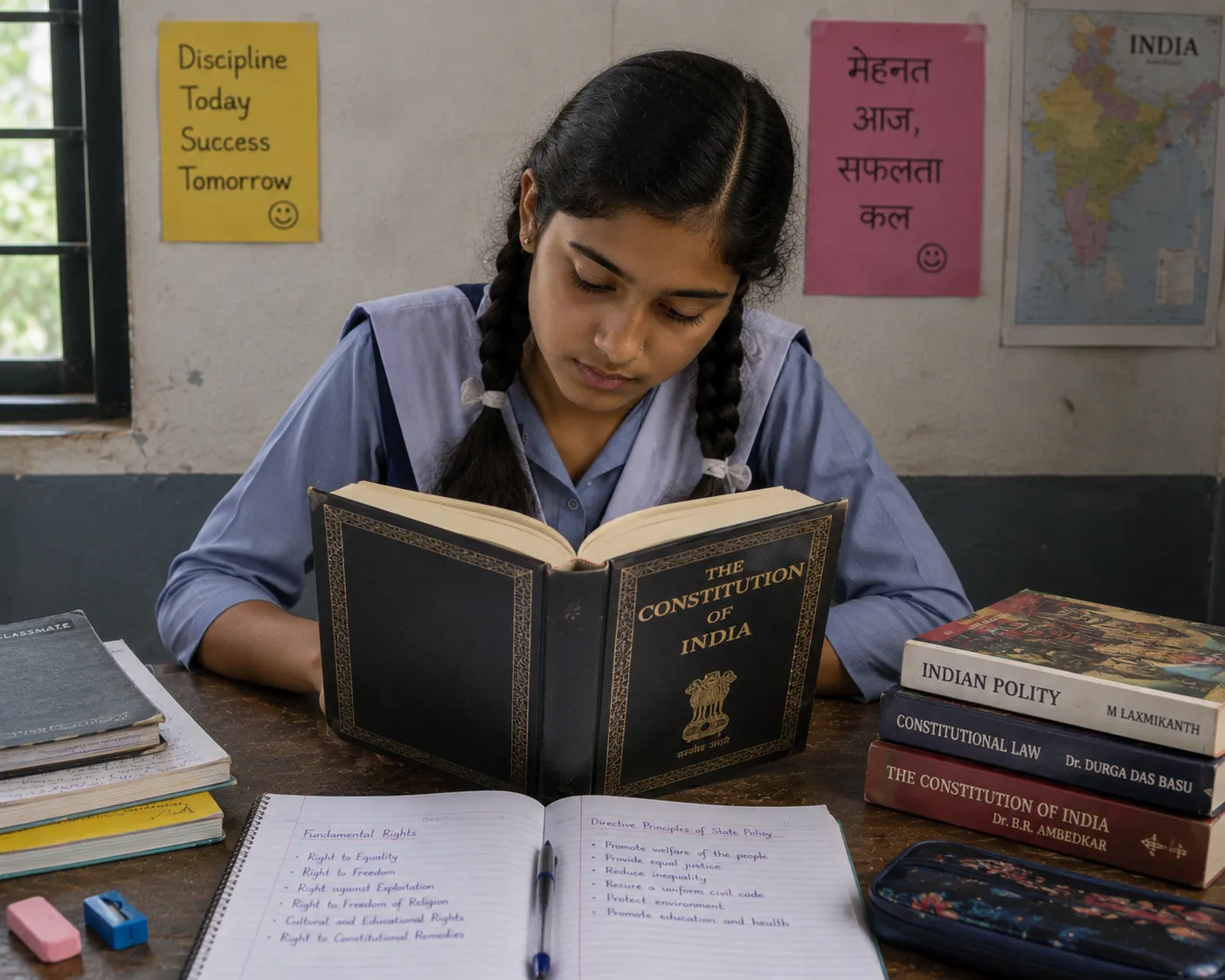
When I was in Class 9, I read the first chapter of my Civics textbook, Democracy in the Contemporary World. It introduced different countries and their democratic systems. Back then, I often compared those countries with India and felt proud. Whenever I came across examples of democratic failures elsewhere, I would think, "At least this doesn't happen in our country."
I admired our Constitution, its values, the Fundamental Rights and Duties, and the institutions built to protect democracy. Those lessons inspired me to dream of becoming an IPS officer. I imagined serving the people, protecting citizens, and standing against injustice.
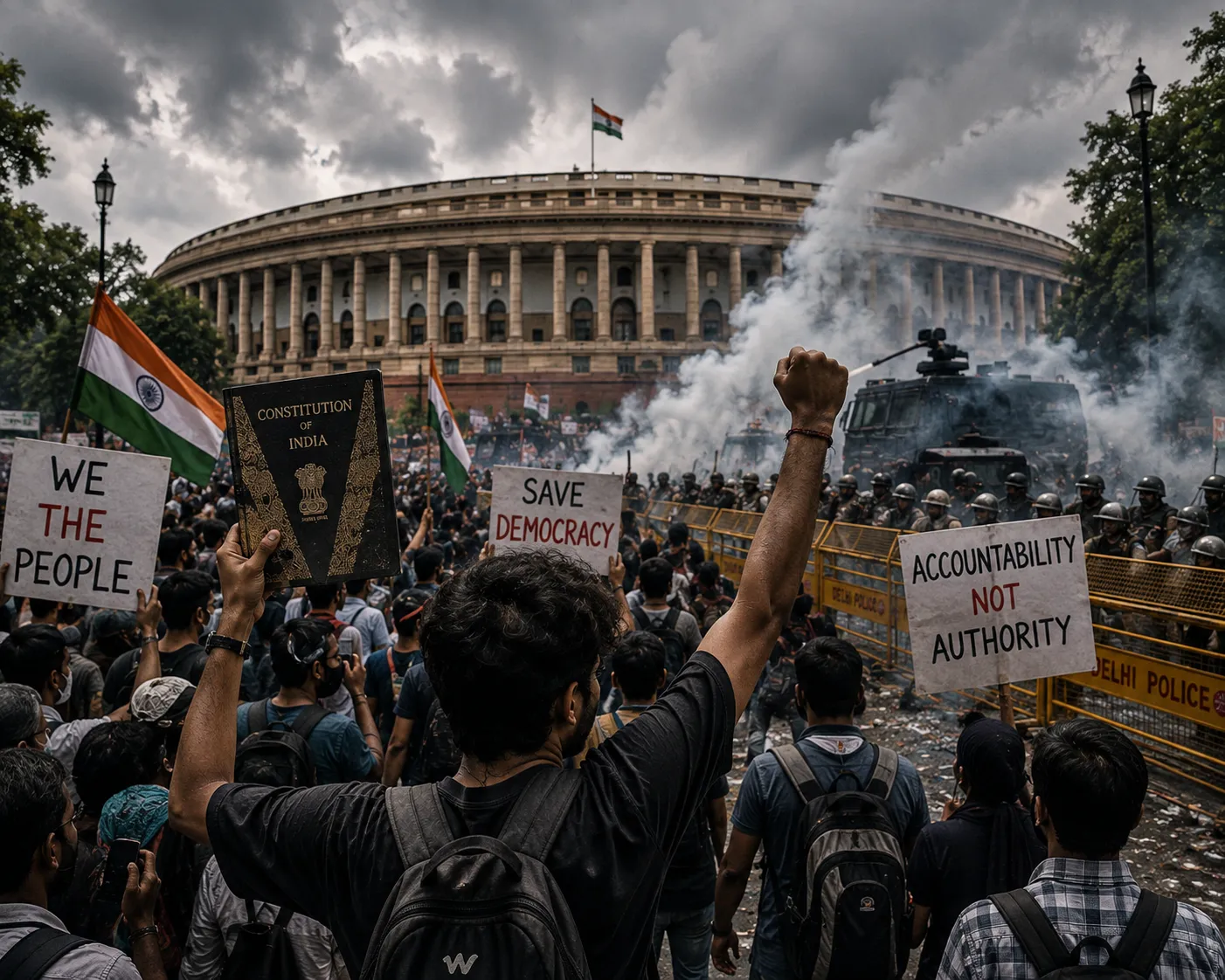
Today, as I watch the events surrounding the CJP protest and the call for a "Sansad March," I find myself questioning many of those ideals.
Parliament is one of the most important democratic institutions in our country. In a democracy, elected representatives are entrusted with public power through the consent of the people. Citizens also have the right to question their representatives and hold them accountable through lawful and peaceful democratic means.
When peaceful demonstrations are met with force—such as lathi charges or tear gas—it raises difficult questions about the balance between maintaining public order and protecting the democratic right to protest. While authorities have a responsibility to ensure safety and prevent violence, they also have a duty to respect citizens' constitutional freedoms.
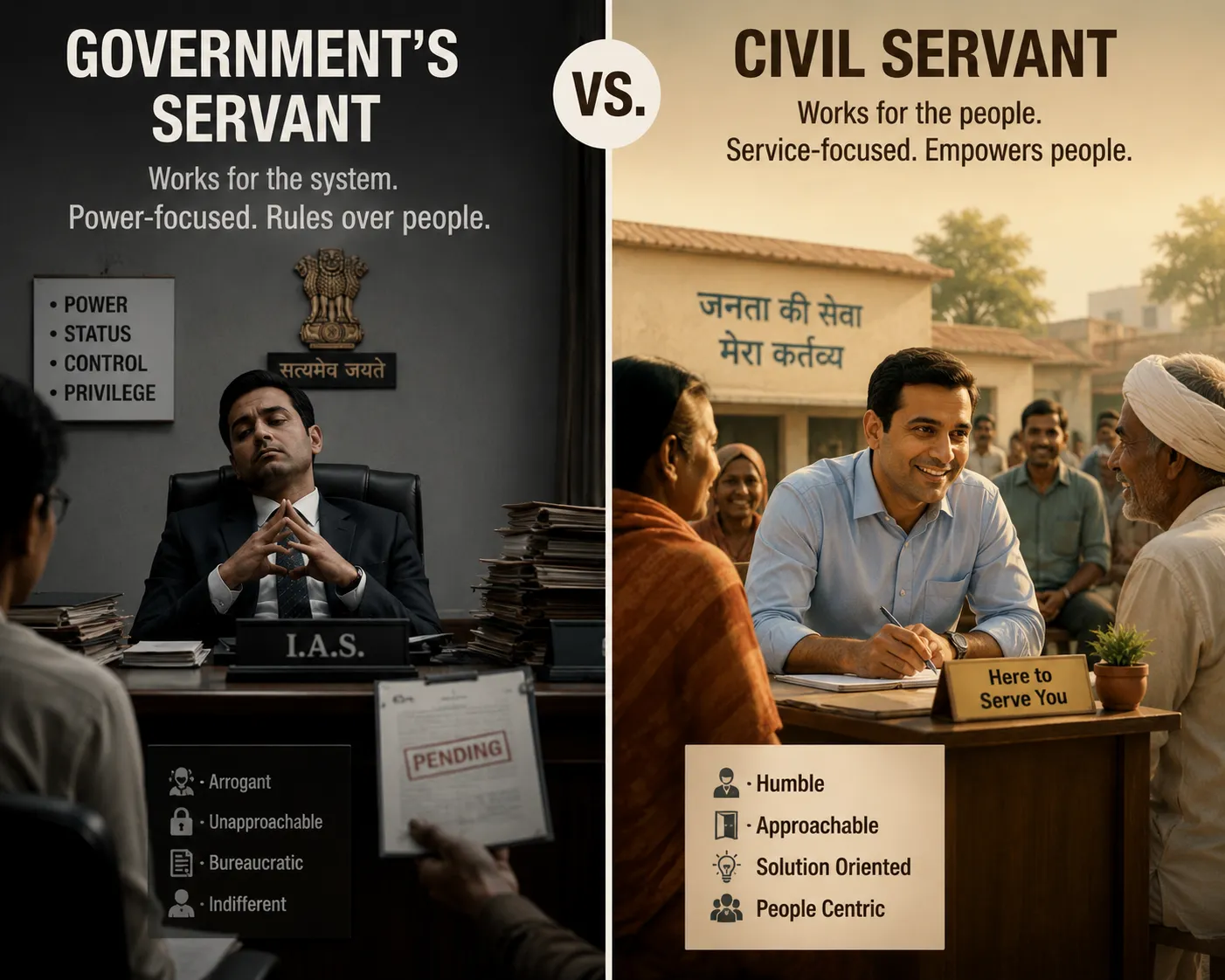
This brings me to another question: what does it truly mean to be a civil servant?
The term itself suggests that civil servants exist to serve the public while upholding the Constitution and the rule of law. They are expected to act professionally, ethically, and impartially. The Ethics paper in the UPSC examination emphasizes integrity, accountability, compassion, and constitutional values. These are not just examination topics—they are principles meant to guide public service.
Officers often state that they are carrying out lawful orders. At the same time, democratic governance expects public officials to execute those orders in a manner that is proportionate, lawful, and respectful of citizens' rights. This is why debates about policing protests are so important in any democracy.
My disappointment is not directed at democracy itself, but at the gap between the democratic values I learned in school and what I sometimes see in practice. Democracy is strongest when institutions remain accountable, when the opposition performs its role effectively, when governments listen to criticism, and when citizens can express dissent peacefully without fear.
Wen Democracy comes in the hands of dictators
When I was in Class 9, I read the first chapter of my Civics textbook, Democracy in the Contemporary World. It introduced different countries and their democra...




















Responses (0)
Sign in to share your thoughts.
Sign in