

Infectious diseases, ranging from the flu to tuberculosis and COVID-19, remain one of the leading global health concerns. These illnesses, caused by bacteria, viruses, fungi, or parasites, often spread through air, water, food, or close human contact. While medical advances have improved treatment, prevention remains the most powerful defense. Protecting yourself requires a combination of hygiene, vaccination, and healthy living.
1. Practice Good Hand Hygiene
Washing your hands with soap and water for a minimum of 20 seconds is one of the best methods to prevent germs from spreading. If soap isn’t available, use an alcohol-based sanitizer (minimum 60% alcohol). Research shows that hand hygiene reduces respiratory illnesses by 21% ([CDC, 2023](https://www.cdc.gov/handwashing/index.html)).
Related post: [Why Is Managing Blood Sugar Important for Diabetes?](/managing-blood-sugar-diabetes)
2. Stay Up to Date with Vaccinations
Vaccinations are critical in preventing diseases like influenza, measles, hepatitis, and COVID-19. They safeguard individuals and aid in the development of community immunity. The World Health Organization (WHO) confirms that vaccines save 4–5 million lives every year ([WHO, 2024](https://www.who.int/health-topics/vaccines-and-immunization)).
Must-read: [The Relationship Between Diet and Mental Health](/diet-and-mental-health)

3. Maintain Respiratory Etiquette
When you're coughing or sneezing, use an elbow or tissue to cover your mouth and nose.. Wearing masks in crowded spaces is also effective against respiratory diseases such as the flu and COVID-19.
Also check: [How Can You Detect Early Signs of Heart Disease?](/early-signs-heart-disease)
4. Ensure Food and Water Safety
Diseases that can spread through food or water, like cholera and typhoid, can be fatal. Always wash fruits and vegetables, cook food at safe temperatures, and drink clean water. For effective protection, the World Health Organization (WHO) recommends adhering to the "Five Keys to Safer Food" (https://www.who.int/publications/i/item/9789241594639) [WHO Food Safety].
Recommended read: [Aches and Pains in the Body: Causes and Solutions](/aches-and-pains-solutions)
5. Strengthen Your Immune System
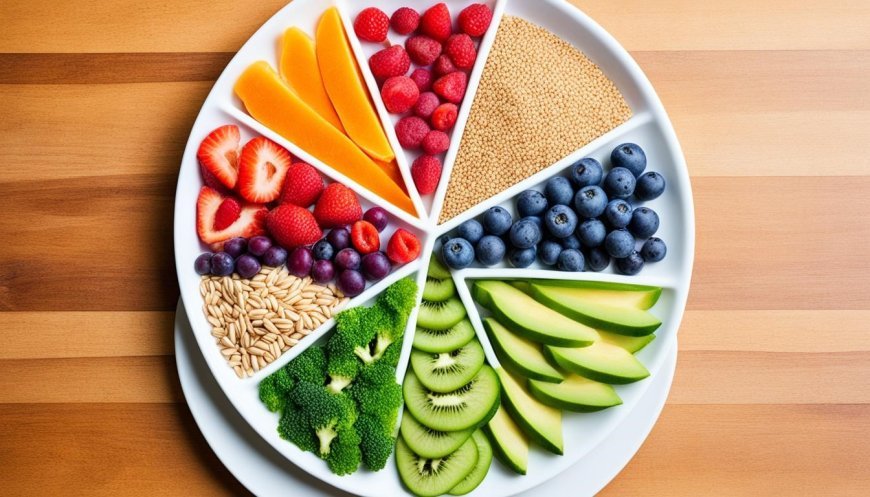
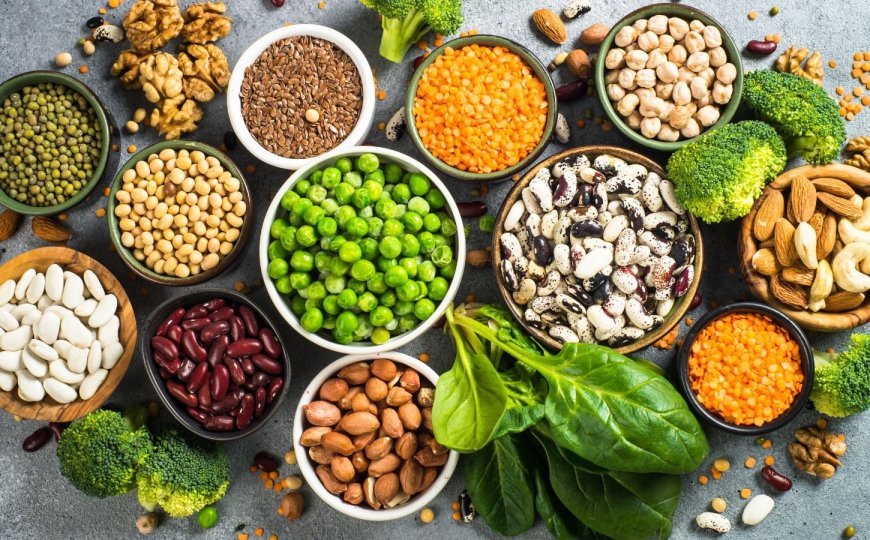
Your body’s natural defense is your immune system. Eating nutrient-rich foods (fruits, vegetables, whole grains, lean proteins), exercising, sleeping well, and reducing stress make your immune response stronger. Avoid smoking and limit alcohol for better protection.
Explore more: [Staying Young After 50: The Power of Superfoods](/superfoods-for-health-after-50)
6. Avoid Close Contact When Sick
If you’re unwell, stay home to avoid spreading germs. Similarly, limit exposure to sick individuals. Social distancing has proven effective during outbreaks like COVID-19.
Related article: [Maternal Mental Health: Why It Matters](/maternal-mental-health)
Conclusion
Protecting yourself from infectious diseases is about daily habits and proactive measures. By practicing hygiene, staying updated on vaccines, ensuring food and water safety, and keeping your immune system strong, you greatly lower your risk. Prevention is always more effective than treatment. By following these steps, you not only safeguard your health but also contribute to a healthier, safer community.
Frequently Asked Questions (FAQs)
Q1. Can antibiotics prevent all infectious diseases? NO. The influenza and COVID-19 viruses are ineffective targets for antibiotics, which are only effective against bacterial infections. They are ineffective against influenza and COVID-19 viruses. Antibiotic resistance can also develop when antibiotics are used excessively.
Q2. How important are vaccines in preventing diseases? One of the most efficient tools for public health is vaccines. They protect individuals and create herd immunity, reducing the spread of infections.
Q3. What role does lifestyle play in disease prevention?
A healthy lifestyle—balanced diet, regular exercise, enough sleep, and stress control—boosts your immune system, making you less susceptible to infections.
Q4. Is hand sanitizer as effective as hand washing?
Hand sanitizers are effective against many germs but not all (e.g., norovirus, Clostridium difficile). When hands look dirty, soap and water are still the top option.
Q5. Can wearing masks still help prevent common infections?
Yes. Masks can help prevent the spread of respiratory infections, especially in crowded places or during flu season.















Responses (0)
Sign in to share your thoughts.
Sign in