Why Do Dark Circles Stay Even After a Good Night's Sleep? The Hidden Causes
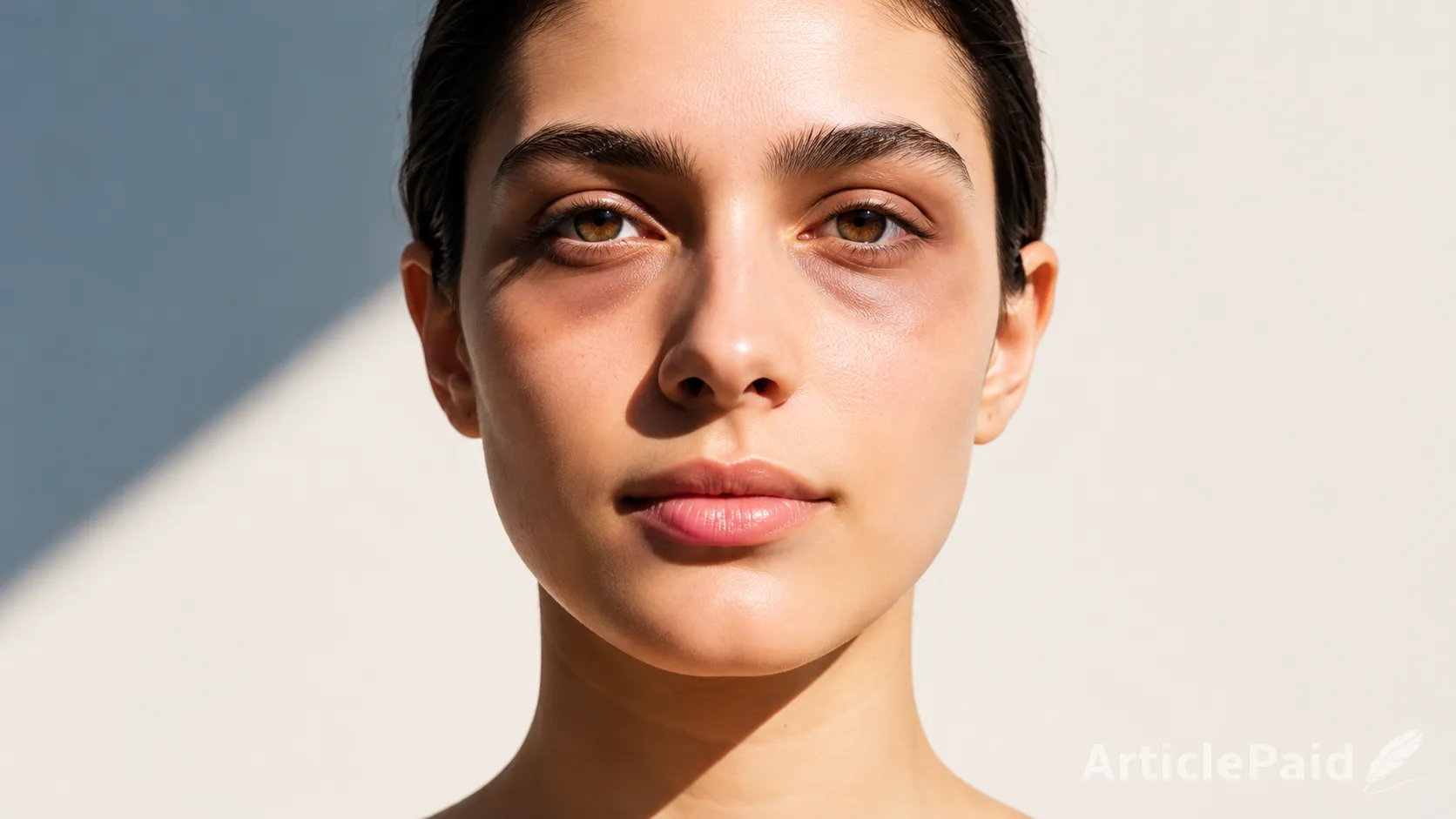
When dark circles look darker than your skin tone, they can make you look sick and tired even when you are feeling healt

In this article 15 sections
- 1. Your Genetics May Be Responsible
- What can help?
- 2. The Skin Under Your Eyes Is Very Thin
- What can help?
- 3. Allergies Can Make Dark Circles Worse
- What can help?
- 4. Dehydration Can Affect Your Appearance
- What can help?
- 5. Sun Exposure Can Increase Pigmentation
- What can help?
- 6. Ageing Can Make Dark Circles More Visible
- What can help?
- Simple Daily Habits to Improve Under-Eye Skin
- When Should You See a Doctor?
- Final Thoughts
When dark circles look darker than your skin tone, they can make you look sick and tired even when you are feeling healthy. It can affect your personality and confidence because people keep asking if you are unwell or did not sleep well.
Have you ever slept for eight hours, woken up feeling fresh, and still noticed dark circles under your eyes?
Many people believe dark circles are only caused by a lack of sleep. However, sleep is just one part of the story.
1. Your Genetics May Be Responsible
Sometimes, dark circles run in families. If your parents have naturally dark areas under their eyes, you may have them too. Some people naturally have more pigmentation around their eyes, so even with enough sleep, their dark circles may remain visible.
What can help?
Use sunscreen regularly and consider products with vitamin C or niacinamide. These may help improve pigmentation over time.
2. The Skin Under Your Eyes Is Very Thin
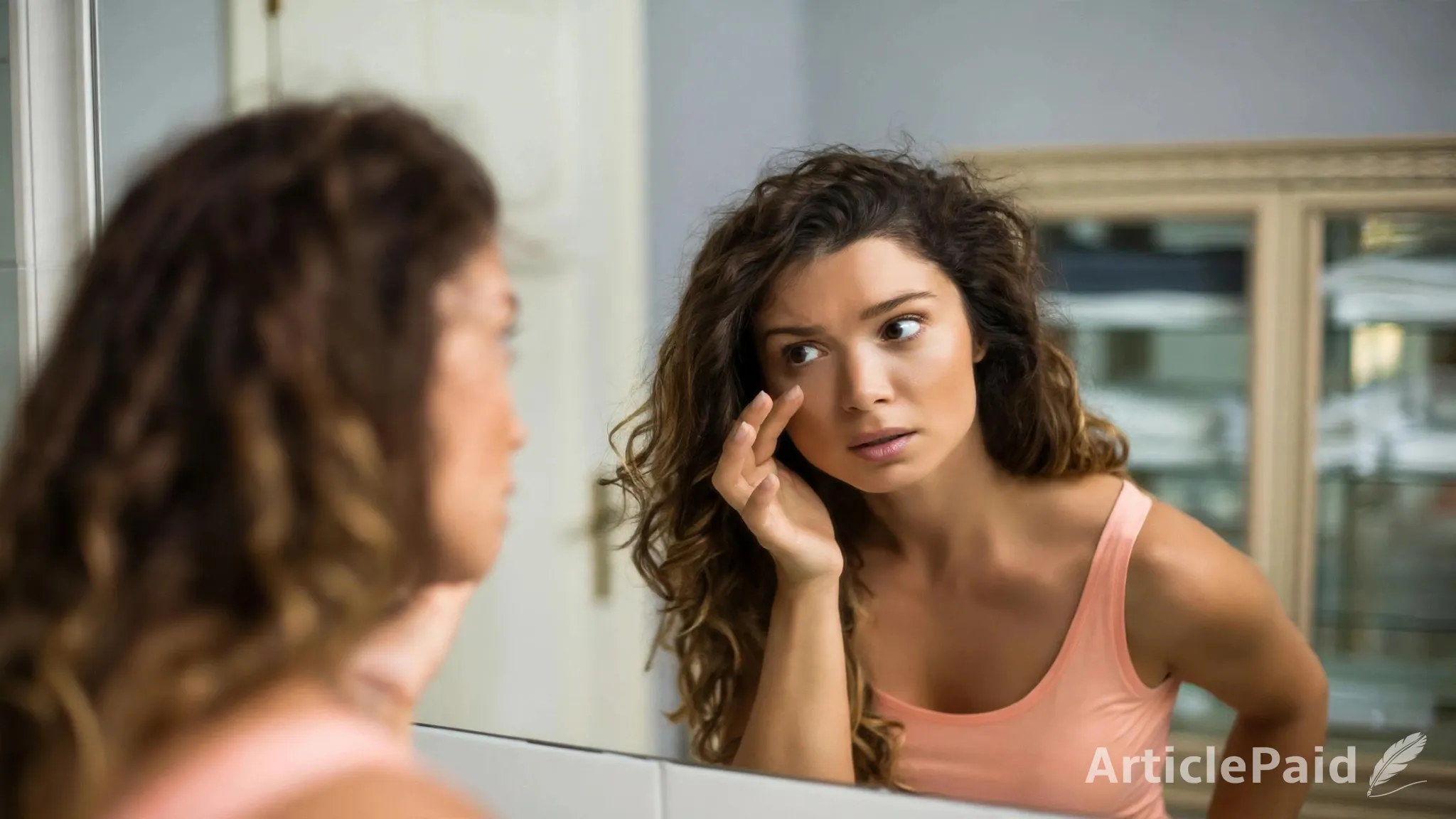
The skin under your eyes is much thinner than the skin on most other parts of your face. Because it is so delicate, tiny blood vessels underneath become more visible. This can create a bluish, purple, or dark appearance. As you get older, changes in skin thickness and volume make these shadows more noticeable.
What can help?
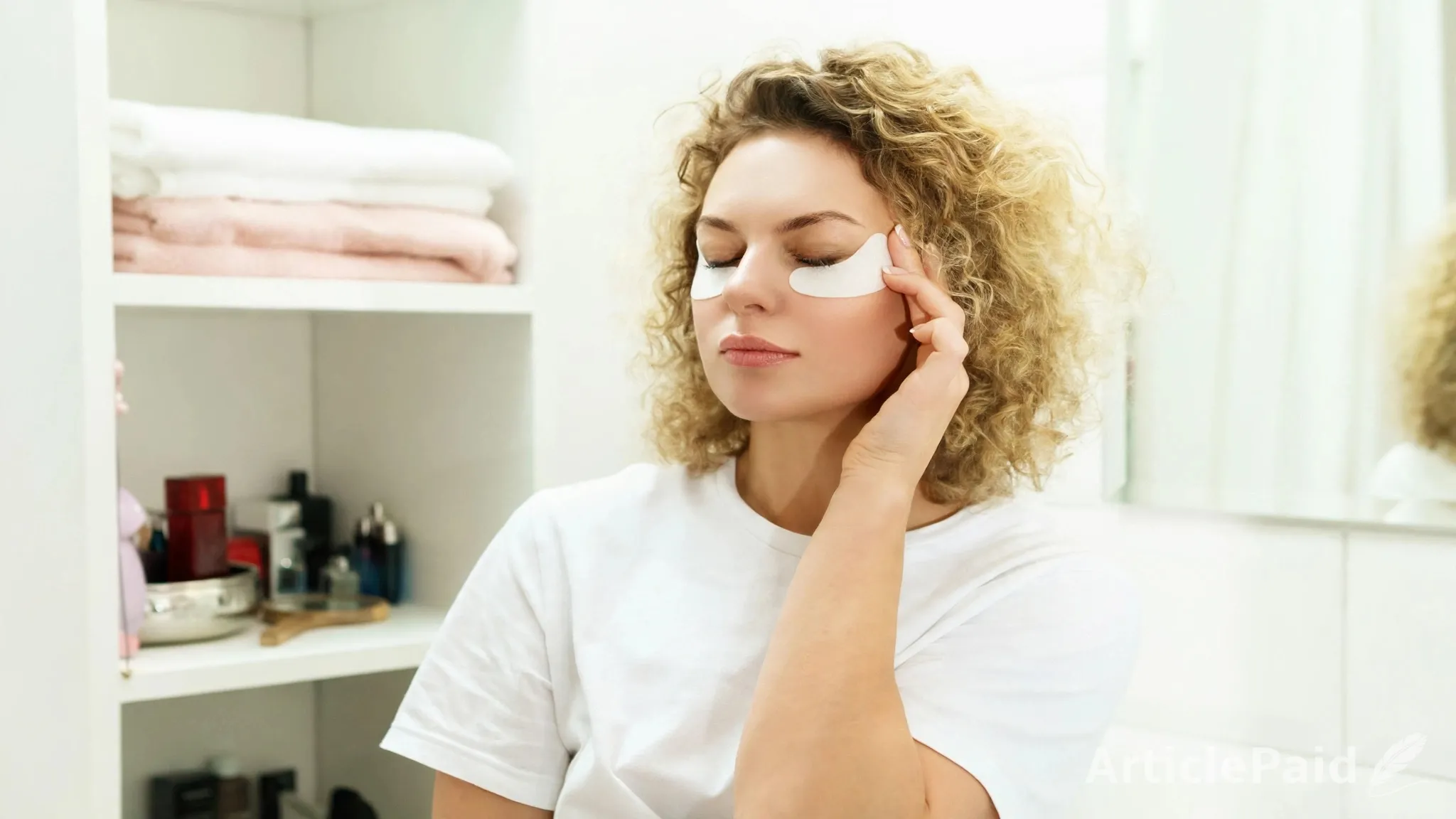
Apply a gentle moisturiser around your eyes. A cold compress for a few minutes may reduce puffiness.
3. Allergies Can Make Dark Circles Worse

When you have allergies, your body releases chemicals that cause inflammation and affect blood flow around your nose and eyes. This may make the area under your eyes look darker. Frequent itching and rubbing can also irritate the delicate skin and make the problem worse.
What can help?
Avoid rubbing your eyes, identify possible allergy triggers, and seek medical advice if symptoms continue.
4. Dehydration Can Affect Your Appearance
When you do not drink enough fluids, your skin may look less fresh, and the area under your eyes can appear dull or sunken.
What can help?
Drink water regularly throughout the day. Eat water-rich foods such as cucumbers, oranges, and watermelon.
5. Sun Exposure Can Increase Pigmentation

Spending too much time in the sun without protection can increase melanin production in your skin. Melanin is the natural pigment that gives your skin its colour. When extra pigment develops around the eyes, the area may become darker.
What can help?
Apply a broad-spectrum SPF 30 or higher sunscreen to your face. Wear sunglasses when going outside.
6. Ageing Can Make Dark Circles More Visible
As we grow older, our skin gradually loses collagen and elasticity. The area under the eyes may become thinner, while changes in facial fat can create deeper shadows. This can make dark circles look more noticeable even when you are sleeping well.
What can help?
Use a gentle moisturiser and protect your skin from sunlight. Some eye creams contain retinol that may support collagen production, but it can irritate sensitive skin. Ask a dermatologist before using it near your eyes.
Simple Daily Habits to Improve Under-Eye Skin
- Get around 7-9 hours of quality sleep each night.
- Drink enough water throughout the day.
- Avoid rubbing or scratching your eyes.
- Remove makeup gently before going to bed.
- Eat a balanced diet with fruits, vegetables, and protein.
- Take short breaks from screens if your eyes feel tired.
- Use a clean, cool compress when your eyes look puffy.
When Should You See a Doctor?
If dark circles appear suddenly, affect only one eye, or come with swelling or pain, consult a healthcare professional. Sometimes, persistent tiredness and pale skin along with dark circles may be signs of an underlying problem, such as iron deficiency. A doctor can decide whether testing is needed.
Final Thoughts
Dark circles are not always a sign that you are sleeping poorly. Genetics, thin skin, allergies, dehydration, sun exposure, and ageing can all play a role. A treatment that works for one person may not work for another because dark circles have different causes.
Remember: Eight hours of sleep can help you feel refreshed, but healthy skin also needs proper care and protection.













Responses (0)