Trees Do More Than We Think: 5 Hidden Secrets That Keep Our Planet Alive
We often think that clouds form first and then rain falls. But did you know that trees also play an important role in creating rain?

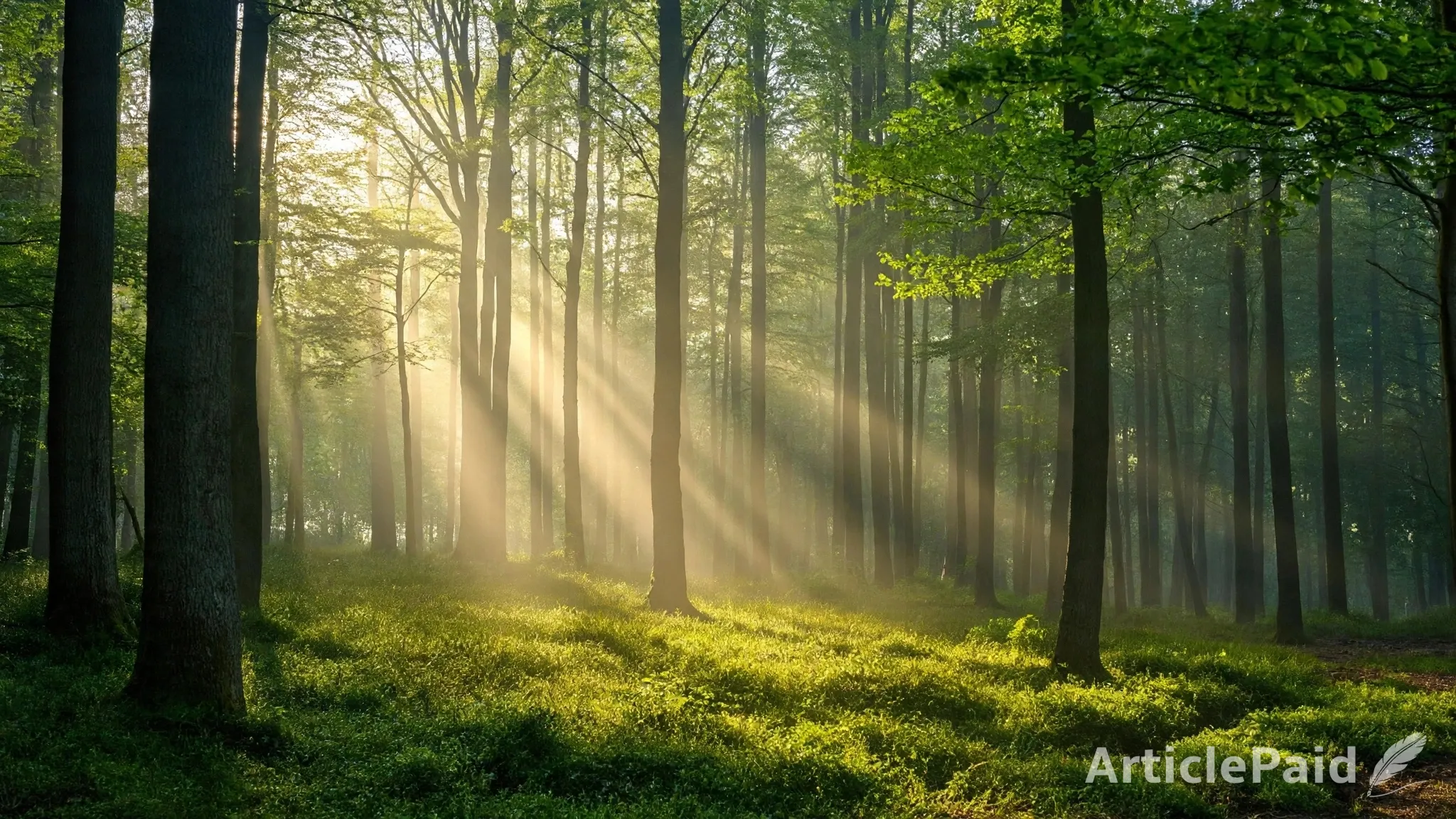
1. Trees Help Create Rain, Not Just Shade
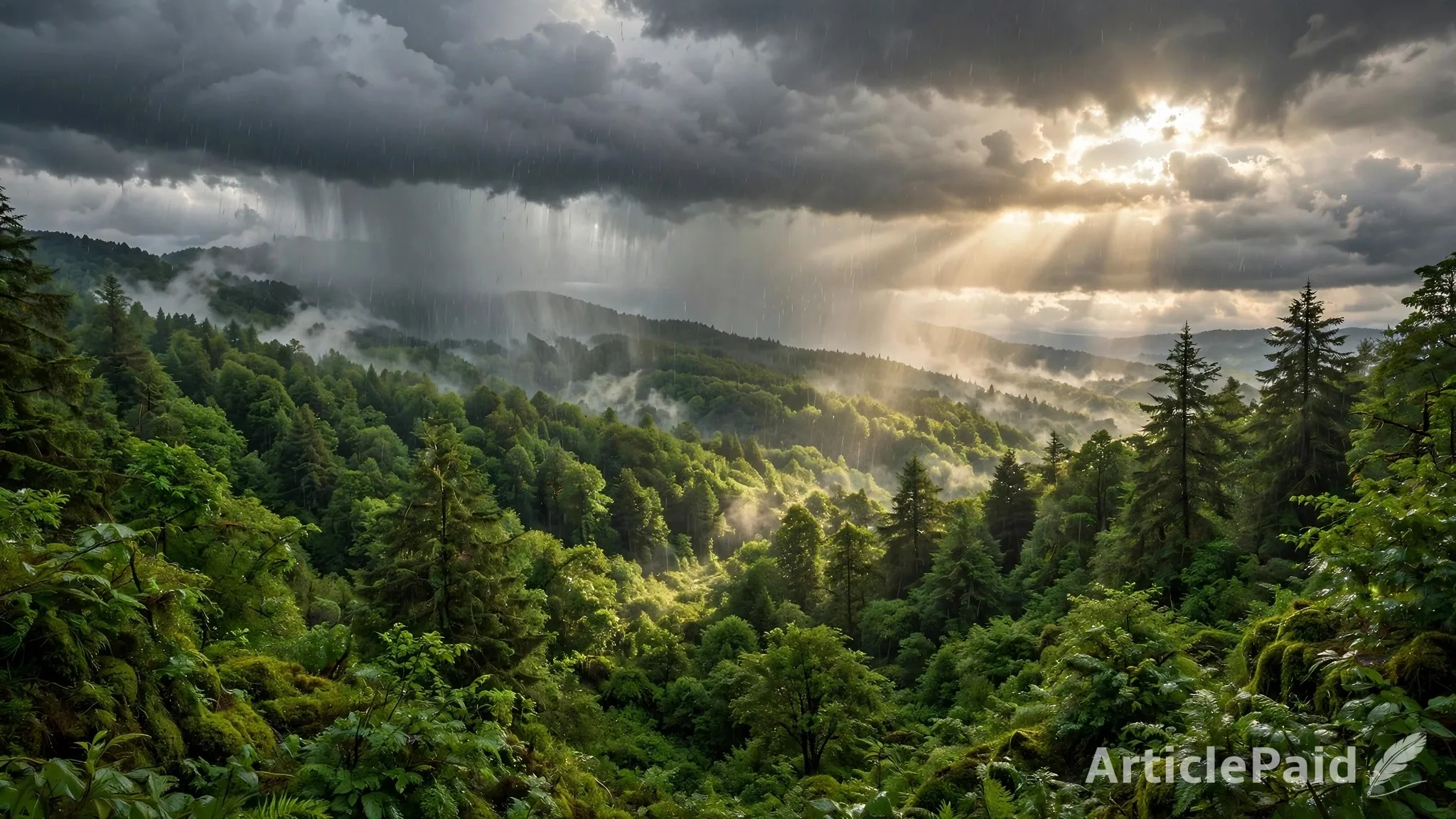
We often think that clouds form first and then rain falls. But did you know that trees also play an important role in creating rain?
Trees release water vapour into the atmosphere through a process called transpiration. They also release natural chemicals called terpenes. These chemicals can help form tiny particles in the air that contribute to cloud formation.
The Amazon rainforest is a great example. Around 24% to 35% of its rainfall comes from moisture recycled within the region. This shows how strongly forests influence their own water cycle.
Cutting down forests does not just remove trees; it can also disturb the natural rainfall system.
2. One Tree Can Support an Entire Ecosystem
You may wonder what difference one tree can make. The answer is more than you imagine.
A single tree can provide food, shelter and protection for many living things. Insects live on its branches, birds build nests, and other animals depend on the food and shelter it provides.
A 2018 global study found that areas with scattered trees had 50% to 100% greater species richness than open areas.
Even fallen leaves have an important role. They break down and return nutrients to the soil, helping other plants grow.
One tree may look small, but its contribution to nature can be enormous.
3. Trees Can Be Good for Your Mind and Body
In Japan, spending peaceful time in forests is known as Shinrin-Yoku, or forest bathing.
It involves slowly walking through a forest and enjoying the natural surroundings. Trees also release natural substances called phytoncides, which scientists have studied for their possible effects on human health.
Spending time in green spaces may help reduce stress, improve mood and support overall well-being.
There is another interesting discovery. A study in the United States examined the loss of ash trees caused by an invasive insect called the emerald ash borer. Across 15 states, researchers found an association with 6,113 additional lower-respiratory deaths and 15,080 additional cardiovascular deaths.
This research highlights how losing trees may affect more than just the environment.

Looking for a Muslim marriage partner? Discover NikahNoor, a Muslim matrimonial platform dedicated to meaningful connections, halal matchmaking and finding a compatible life partner.
Find Your Life Partner4. Trees Are Connected Beneath the Ground
Did you know that tree roots can be connected through underground fungal networks?
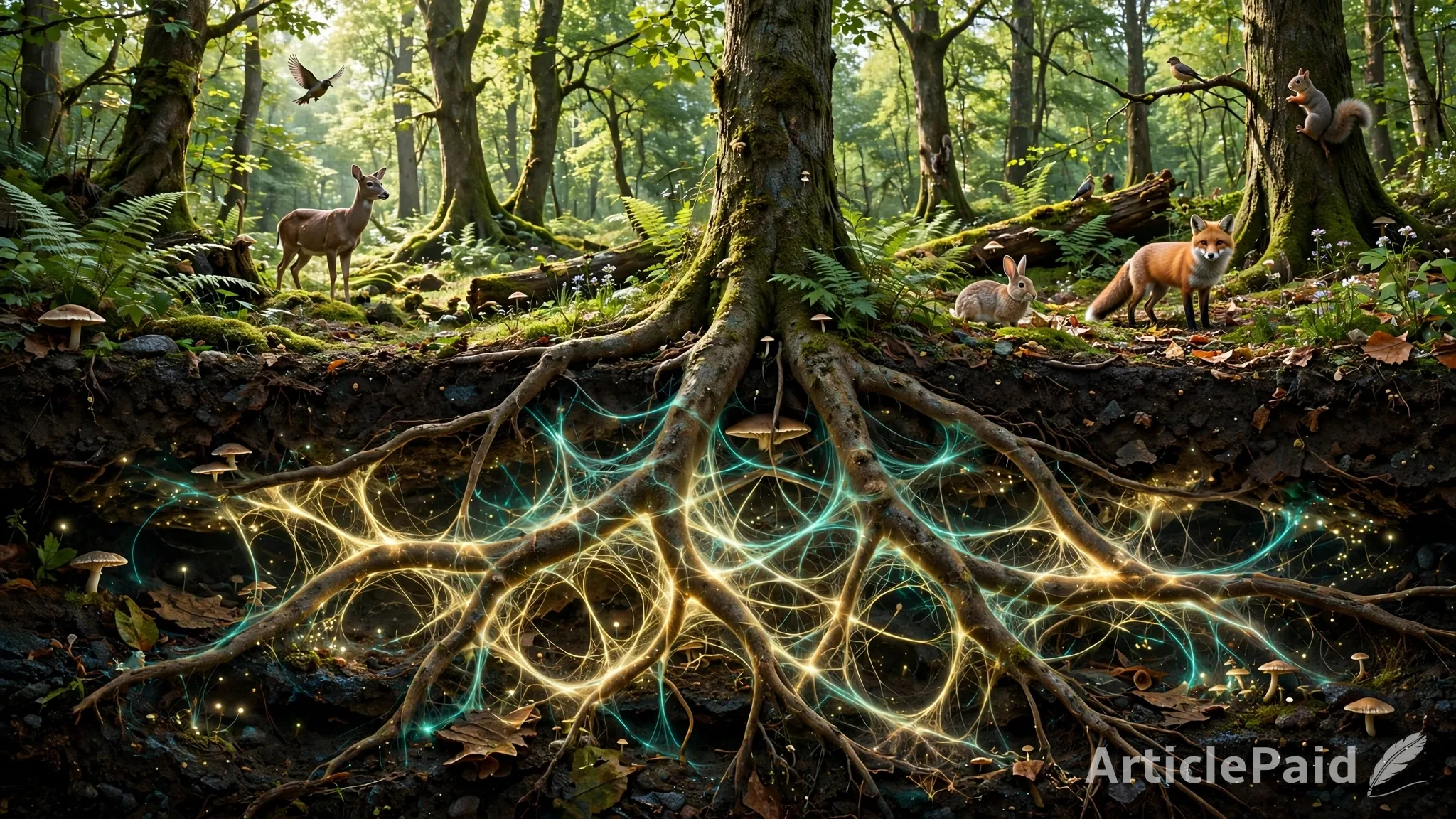
These relationships are known as mycorrhizal networks. Fungi connect with plant roots and help trees absorb nutrients and water from the soil.
Scientists have studied whether these networks also allow trees to exchange resources and chemical signals.
The idea is sometimes called the Wood Wide Web. However, scientists are still investigating how much trees actually share resources through these networks.
It is a fascinating reminder that the world beneath our feet is more complex than we imagine.
5. What Would Happen If We Lost Our Forests?

At NikahNoor.com, discover a platform dedicated to helping Muslims find a compatible life partner and build a future rooted in love, respect, and shared values.
Learn moreHere are some surprising facts that show why forests matter:
- Scientists estimated that Earth had approximately 3 trillion trees, while more than 15 billion trees were being cut down each year in a widely cited 2015 study.
- There are approximately 73,000 tree species worldwide, and researchers estimate that around 9,000 are still undiscovered.
- According to the FAO, forests are home to about 80% of the world's terrestrial biodiversity.
- Tree roots help hold soil together and reduce erosion. Without enough vegetation, soil becomes more vulnerable to being washed or blown away.
- Forest destruction can bring humans and wild animals into closer contact, increasing opportunities for some infectious diseases to spread from animals to people.
These facts show that forests are not simply collections of trees. They support an entire natural system.
Humans, Animals and Birds Are All Connected
Sometimes humans think they can survive separately from nature. But the truth is that every living thing depends on something else.
Birds help control insect populations, insects support pollination, and healthy soil helps crops grow. These connections support the food systems that humans also depend on.
When we damage one part of nature, the effects can reach many others.
Planting a tree is not just a good deed. It is an investment in cleaner air, healthier ecosystems, a balanced water cycle and a better future for the next generation.










Responses (0)